The Olfactory Blueprint: How Your Perfume Reveals Your Inner Self
Human behavior is frequently guided by silent signals, and the olfactory landscape is perhaps the most profound of these subtle communicators. While many view fragrance as a mere cosmetic accessory, scientific inquiry suggests that your chosen scent acts as a sophisticated cognitive extension of your personality. Research in behavioral psychology indicates that olfactory preferences are deeply intertwined with the limbic system, the region of the brain responsible for emotional regulation, memory, and instinctual drives.
The Neuro-Psychology of Scent Preference
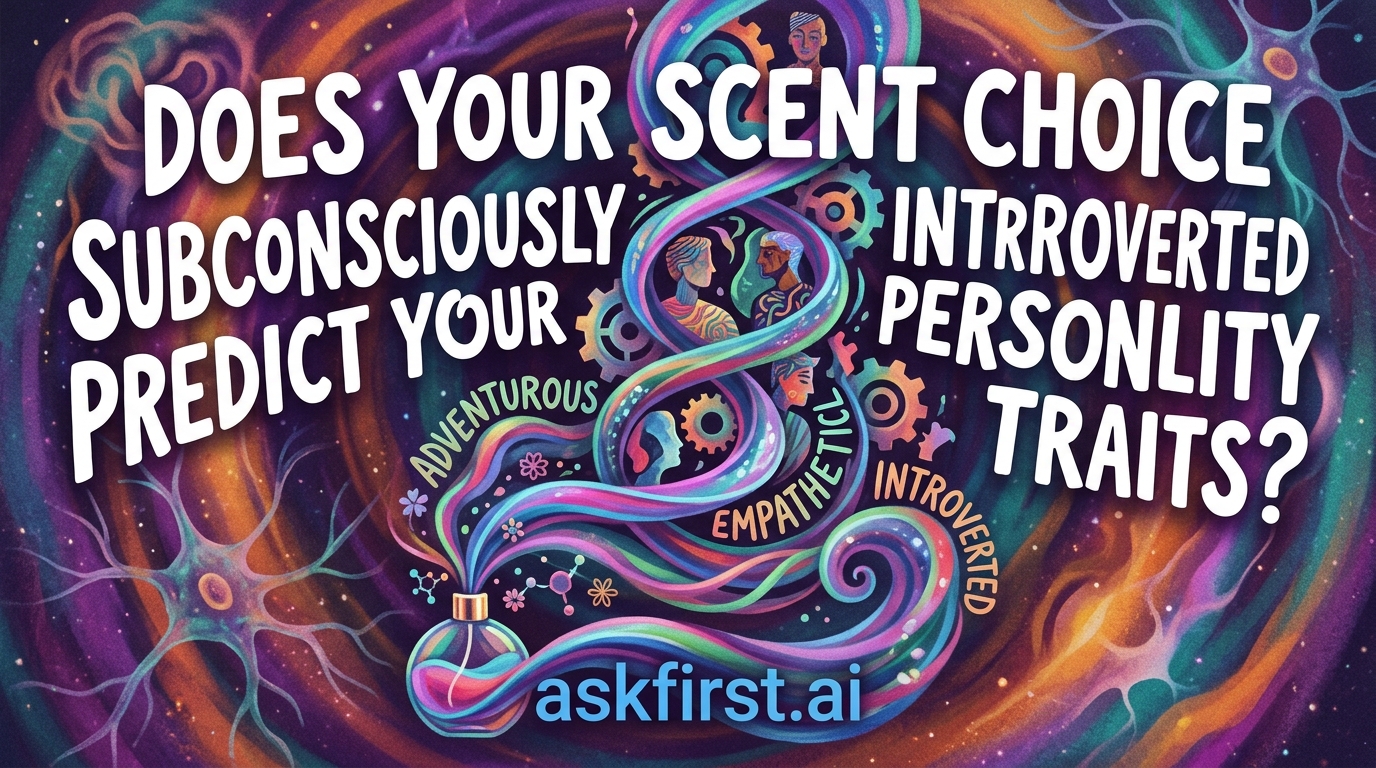
Studies have consistently demonstrated that individual fragrance choices serve as a reliable indicator of specific behavioral markers. Individuals who gravitate toward citrus, crisp, or aquatic notes often exhibit higher levels of extraversion and openness to experience. These scents are frequently linked to high-energy personality types who thrive in social dynamics and value clarity, vitality, and direct communication. Conversely, those who favor earthy, woody, or oriental profiles—such as sandalwood, patchouli, or deep amber—frequently score higher on traits associated with introspection, emotional stability, and intellectual depth.
Unconscious Signaling and Social Perception
Fragrance functions as a non-verbal social signal, effectively broadcasting social identity before a word is spoken. The mechanism of "scent-matching" occurs when individuals unconsciously select fragrances that reinforce their ideal self-image or public persona. This phenomenon is supported by the "Enclothed Cognition" theory, adapted for olfaction; just as the clothes one wears can influence cognitive processes, the scent one applies can modulate internal states and external perceptions.
- Floral Profiles: Often selected by individuals valuing harmony, tradition, and altruism.
- Spicy/Musky Profiles: Preferred by those possessing high levels of confidence, assertiveness, and a desire for social influence.
- Gourmand Profiles: Frequently chosen by individuals who prioritize comfort, warmth, and nostalgic emotional connections.
Challenging the Myths
It is a common misconception that fragrance choice is entirely random or dictated solely by marketing influence. While industry advertising impacts purchasing patterns, long-term adherence to a specific fragrance family is governed by biological compatibility and emotional resonance. The brain ignores scents that clash with the internal self-concept, favoring those that provide a sense of coherence between the user’s internal mood and their external environment. In professional settings, this subconscious alignment becomes even more apparent; individuals intuitively select scents that promote their desired performance state, whether it be grounding, focus, or charisma.
Ultimately, the choice of perfume is far from superficial. It represents an intricate interaction between neurobiology, memory, and personality, serving as a fragrant reflection of the self. By understanding these subtle cues, individuals gain insight into their own psychological drivers and the non-verbal impressions they leave on the world.