The Cinema Mirror: How Fictional Archetypes Unmask Your Hidden Self
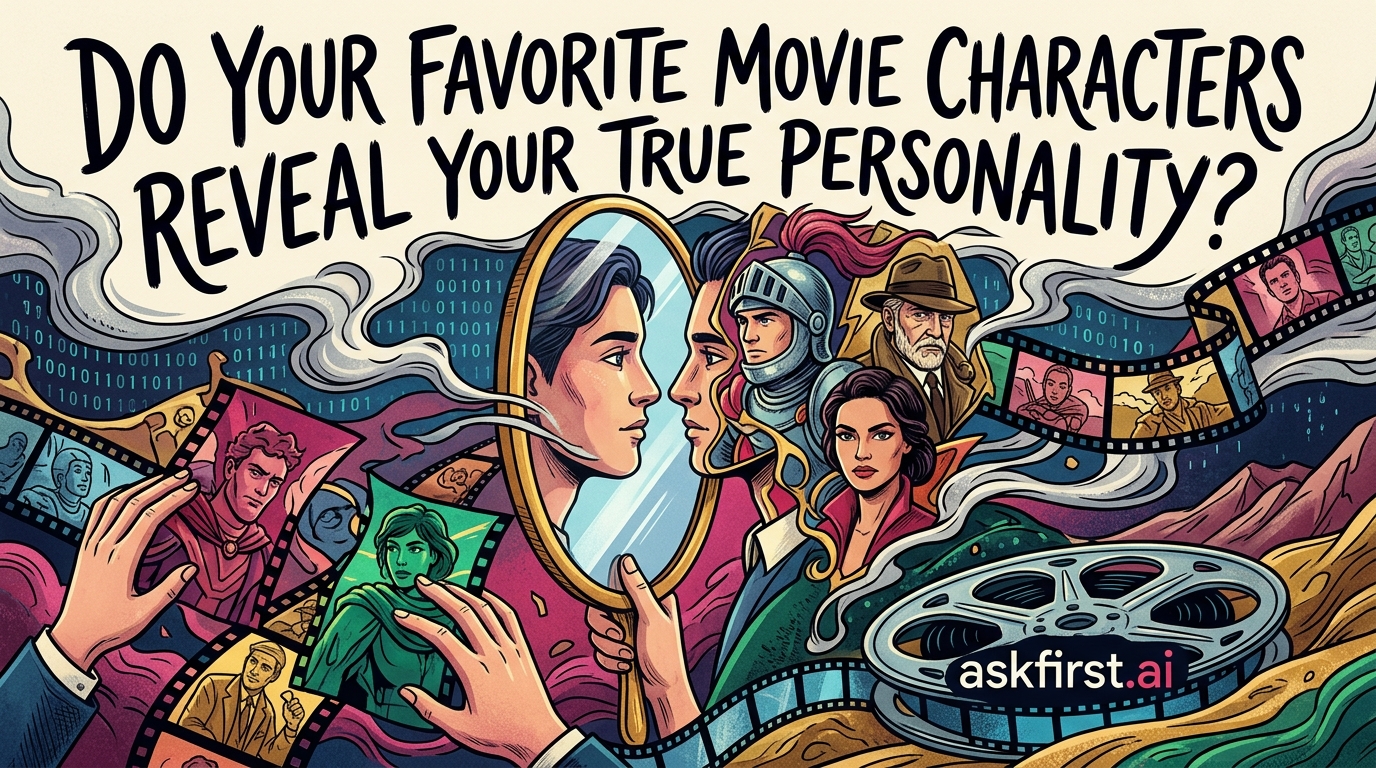
Psychology experts have long debated the connection between media consumption and personal identity. Research suggests that the characters individuals admire on screen act as mirrors for their own psychological landscape. This phenomenon, often termed 'parasocial identification,' occurs when viewers project their inner desires, moral values, and unexpressed potentials onto fictional figures.
The Psychology of Fictional Resonance
At the core of this experience is the concept of the 'ideal self.' People frequently gravitate toward characters who possess traits they consciously or subconsciously wish to cultivate. If a viewer feels a deep connection to a protagonist who displays high levels of resilience in the face of adversity, it often indicates an untapped reservoir of perseverance within the viewer. Conversely, identifying with complex, flawed anti-heroes can reveal a need for self-acceptance or a struggle with the dualities of human nature.
- The Heroic Mirror: Often reflects aspirations for moral courage and the desire to impact the world.
- The Relatable Underdog: Typically resonates with those navigating personal obstacles and seeking validation for their struggles.
- The Stoic Mentor: Frequently attracts individuals who value wisdom, control, and intellectual growth.
Why We Seek Reflection
Cinema provides a safe, controlled environment to explore facets of the self that remain suppressed in daily life. Engaging with these narratives triggers the brain’s mirror neuron system, allowing viewers to vicariously experience the challenges and triumphs of the characters. By witnessing a character resolve internal dilemmas, the viewer indirectly rehearses similar coping strategies, reinforcing their own psychological pathways.
Research published in various psychological journals suggests that this alignment is not merely entertainment but a form of identity exploration. When viewers ask why a particular character resonates, they are effectively conducting a self-assessment of their core values. For instance, an affinity for characters who prioritize social connection highlights a trait of high agreeableness, whereas an admiration for lone-wolf characters might signal a high valuation of autonomy and independence.
Beyond Simple Entertainment
While personal preference is subjective, the patterns of these choices are deeply revealing. When individuals consistently choose characters who mirror their own strengths, they reinforce their self-identity. When they choose characters who represent their 'shadow side'—the traits they fear or repress—they are engaging in a process of integration. Understanding these attractions helps bridge the gap between who a person currently is and who they strive to become. By analyzing the motives and behaviors of favorite cinematic figures, one gains a unique, profound insight into the mechanics of their own personality. This ongoing dialogue between the screen and the self serves as a powerful, evergreen tool for introspection, allowing for continuous personal growth regardless of changing cultural trends or the passage of time.