The Science of Stress Eating: Why We Crave Comfort Foods
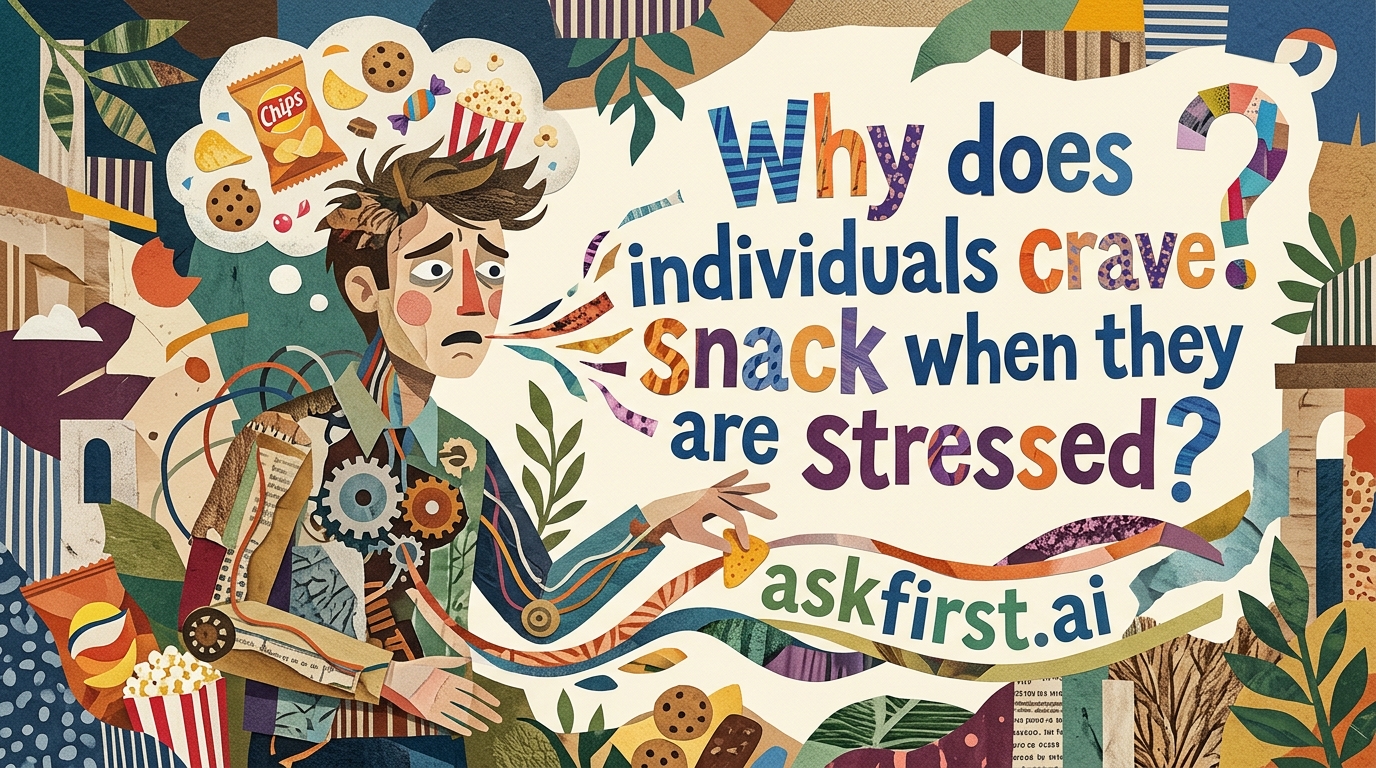
The phenomenon of "stress eating"—the physiological and psychological urge to consume energy-dense, palatable foods during periods of high tension—is a complex interplay between neurobiology, hormonal regulation, and evolutionary survival mechanisms. When individuals experience stress, the body shifts into a state of heightened arousal, triggering a cascade of biological responses that fundamentally alter dietary preferences.
The Neurobiology of Stress and Cravings
At the core of stress-induced cravings is the Hypothalamic-Pituitary-Adrenal (HPA) axis. When a person encounters a stressor, the brain releases cortisol, the primary stress hormone. While cortisol is essential for the "fight-or-flight" response, prolonged elevation of this hormone directly impacts hunger signals.
- Cortisol and Insulin: Cortisol increases blood glucose levels to provide quick energy. Consequently, the body releases insulin to manage this sugar spike. When the stress subsides, the subsequent drop in blood sugar often leaves the individual feeling ravenous, specifically craving carbohydrates to restore energy levels rapidly.
- The Reward System (Dopamine): High-fat and high-sugar foods trigger the brain’s reward pathway. Eating these "comfort foods" releases dopamine in the nucleus accumbens—the same area associated with addiction. This provides a temporary sense of relief or pleasure, effectively "self-medicating" the anxiety caused by the stressor.
Evolutionary Perspectives
From an evolutionary standpoint, the craving for caloric density made sense. In our ancestral environments, stress was usually synonymous with physical danger or famine. Seeking out calorie-rich foods ensured survival during lean times. Today, however, our environment is sedentary, and stressors are often psychological (work deadlines, financial pressure) rather than physical, leading to a mismatch between our biological instincts and our modern lifestyle.
The Cycle of Comfort Eating
The cycle often follows a predictable pattern:
- Trigger: An external stressor occurs.
- Biological Response: Cortisol levels rise, signaling the need for high-calorie, "quick-fix" fuel.
- Behavior: The individual consumes ultra-processed snacks (sugary sweets, salty chips).
- Temporary Relief: The brain experiences a dopamine hit, momentarily masking the stress.
- The Aftermath: A potential "sugar crash" or feelings of guilt, which can serve as a secondary stressor, restarting the cycle.
Practical Strategies to Manage Stress Cravings
To mitigate these impulses, experts suggest a multi-faceted approach:
- Mindful Awareness: Pause before eating. Ask, "Am I physically hungry, or am I feeling an emotion?"
- Blood Sugar Stabilization: Prioritize complex carbohydrates, fiber, and protein. These provide sustained energy and prevent the sharp insulin spikes that lead to cravings.
- Stress Reduction Techniques: Implement non-food coping mechanisms such as deep breathing, exercise, or meditation, which can lower cortisol levels without caloric intake.
- Environmental Design: Remove "trigger foods" from the immediate vicinity to increase the friction required to indulge.
Future Trends and Research
Current research is exploring the role of the gut-brain axis in emotional eating. Evidence suggests that the microbiome may influence cravings through chemical signaling. Future interventions may focus on probiotic therapies or personalized nutrition plans tailored to an individual’s specific hormonal profile to help regulate these powerful biological urges. Understanding that stress eating is a physiological response—not a personal failure—is the first step toward building a healthier relationship with food.