The Neural Symphony: Why Music Mimics the Feeling of Love
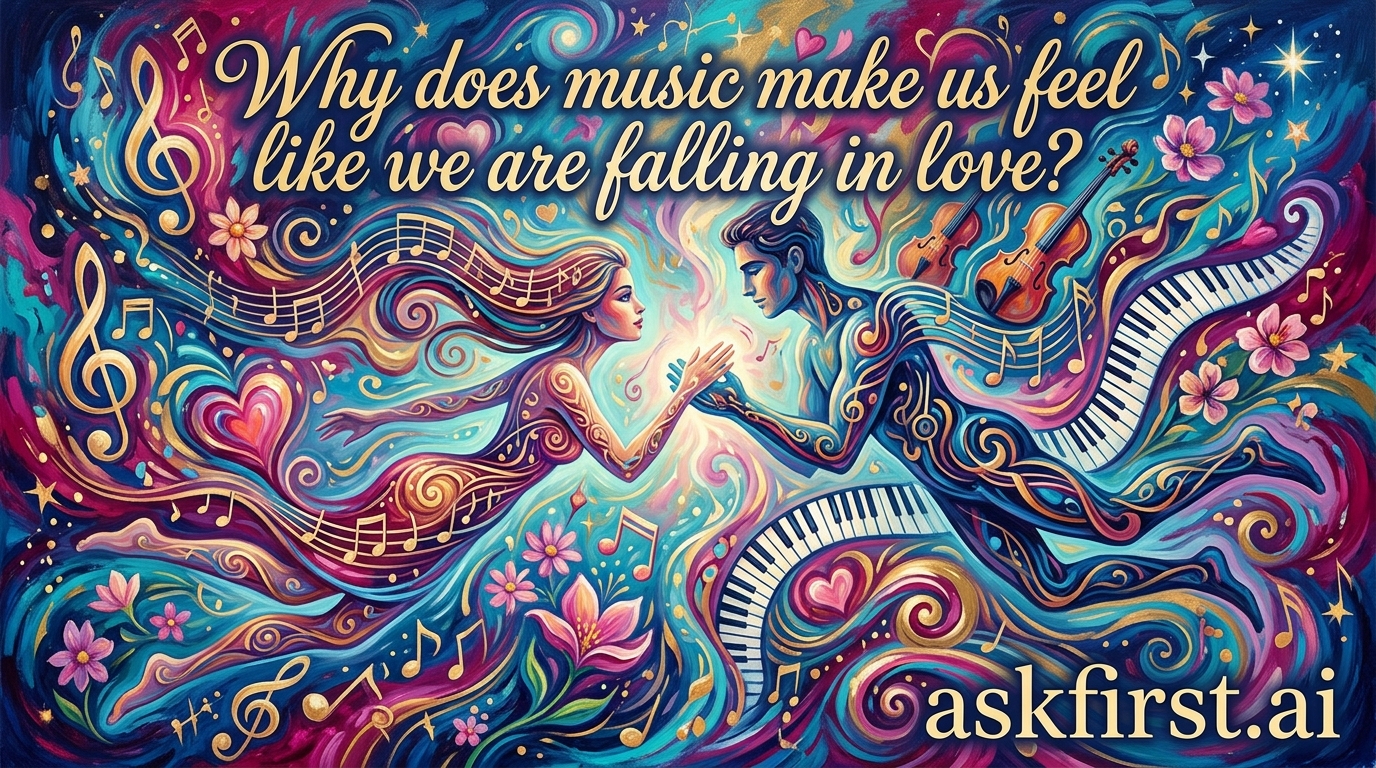
Music has an uncanny ability to bypass rational thought and strike directly at the core of human emotion. When a melody resonates, it often triggers physiological sensations—racing pulses, butterflies in the stomach, and a deep sense of euphoria—that are remarkably similar to the biological experience of romantic love. This phenomenon is not merely poetic; it is rooted in complex neurochemistry.
The Dopaminergic Reward Pathway
The primary driver of this experience is the brain's reward system. Research published in journals like Nature Neuroscience has demonstrated that listening to music we find intensely pleasurable triggers the release of dopamine in the striatum. This is the same neurotransmitter surge associated with romantic attraction, sexual desire, and even substance-related rewards. Because music creates a loop of anticipation and resolution, the brain constantly craves the "next note," effectively mimicking the obsessive nature of early-stage courtship.
Physiological Synchrony and Oxytocin
Beyond dopamine, music facilitates the release of oxytocin, frequently referred to as the "cuddle hormone" or "love hormone." Oxytocin is essential for pair-bonding and social connection. When individuals listen to music together, or even experience a deeply personal track in isolation, the body’s levels of oxytocin rise. This hormone fosters feelings of trust and intimacy, bridging the gap between the internal self and the external soundscape. This hormonal response explains why shared musical preferences often form the bedrock of lasting human relationships.
The Role of Cortisol and Stress Reduction
Love often involves a decrease in cortisol, the hormone associated with stress. Similarly, rhythmic auditory stimulation acts as a biological regulator. By slowing the heart rate and modulating breathing patterns, music reduces stress, creating a "safe space" for emotional vulnerability. When the defensive walls of the ego are lowered through the rhythmic structures of music, the brain perceives an environment of safety, which is the foundational psychological requirement for falling in love.
Pattern Recognition and Emotional Expectation
Music utilizes complex mathematical patterns and expectations. The human brain is an "expectation machine" that derives joy from predicting patterns. When a composer subverts an expectation (like a sudden key change or a suspended chord), it creates tension. When that tension is resolved, the resulting "musical release" mirrors the emotional relief felt when a partner reciprocates affection. This cycle of tension and resolution creates an addictive, romanticized narrative arc within the listener’s mind, making the music feel like an intimate conversation.
Ultimately, music mimics love because both processes engage the brain's deepest pleasure centers. By manipulating dopamine, oxytocin, and cognitive patterns, music crafts a profound psychological illusion that we are connecting with something far greater than ourselves, effectively simulating the thrill and vulnerability of true romance.