Unlocking the Potential: The Science of the Placebo Response
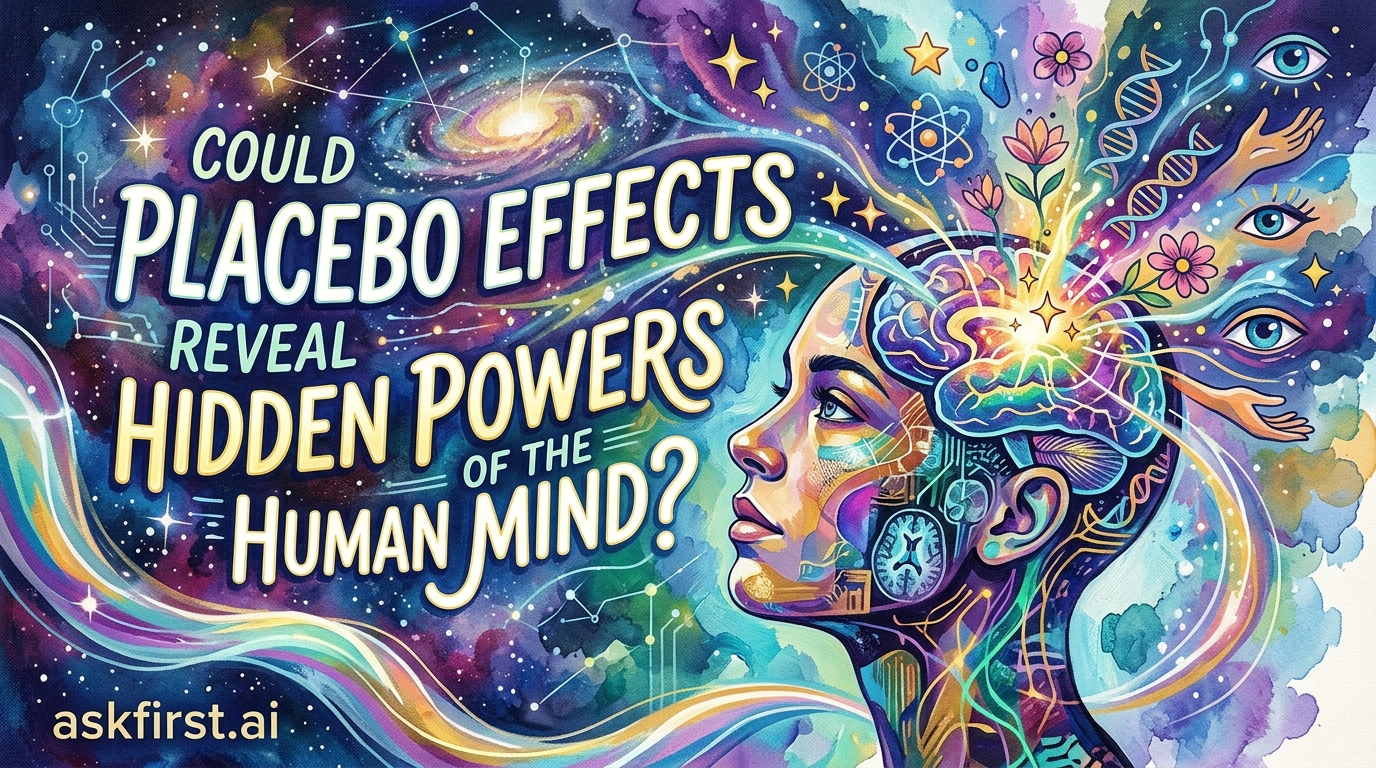
The placebo effect represents one of the most intriguing phenomena in medical science, serving as a powerful testament to the influence of the brain over physiological health. Far from being "all in one's head," the placebo response involves complex neurological and biochemical cascades that can modulate pain perception, cardiovascular function, and immune system markers. It acts as a mirror, reflecting the mind's profound ability to manifest biological change through expectation, belief, and conditioning.
The Neurobiology of Belief
Research indicates that when a person anticipates relief, the brain initiates the release of endogenous opioids and dopamine. These neurochemicals interact with specific receptors to dampen pain signals or create a sense of reward and well-being. Studies utilizing functional magnetic resonance imaging (fMRI) have shown that during the anticipation of pain relief, regions such as the prefrontal cortex and the periaqueductal gray become highly active. This suggests that the mind is not just observing symptoms but actively participating in the management of physical states.
- Expectation: The conscious belief that a treatment will work acts as a trigger for neurological pathways.
- Conditioning: Previous positive experiences with medical environments or treatments create a subconscious association that can elicit a response even with inactive substances.
- The Ritual of Care: The act of seeing a clinician, undergoing an examination, or receiving a treatment often reduces stress, which in turn lowers cortisol levels, allowing the body to optimize its own healing functions.
Challenging Traditional Paradigms
For decades, medical researchers viewed the placebo as a "noise" in data that needed to be eliminated to confirm the efficacy of active drugs. However, a shift in perspective now views this response as a clinical tool. If the human mind can significantly reduce inflammation or alter heart rate simply through perceived care, understanding how to harness this process could transform therapeutic strategies. It is not necessarily about trickery but about leveraging the brain’s intrinsic pharmacy to support recovery alongside conventional treatments.
The Limits of the Mind
While the placebo effect is powerful, it is critical to acknowledge its boundaries. It cannot shrink tumors or cure genetic diseases. It operates most effectively on conditions influenced by the nervous system, such as chronic pain, depression, anxiety, and irritable bowel syndrome. By bridging the gap between psychology and physiology, the placebo effect encourages a holistic approach to wellness. It highlights that the environment, the relationship between provider and patient, and the internal narrative of the individual are not peripheral to the healing process—they are integral components. Harnessing this latent ability to shift perception may pave the way for more integrative, patient-centered medical practices in the coming decades.