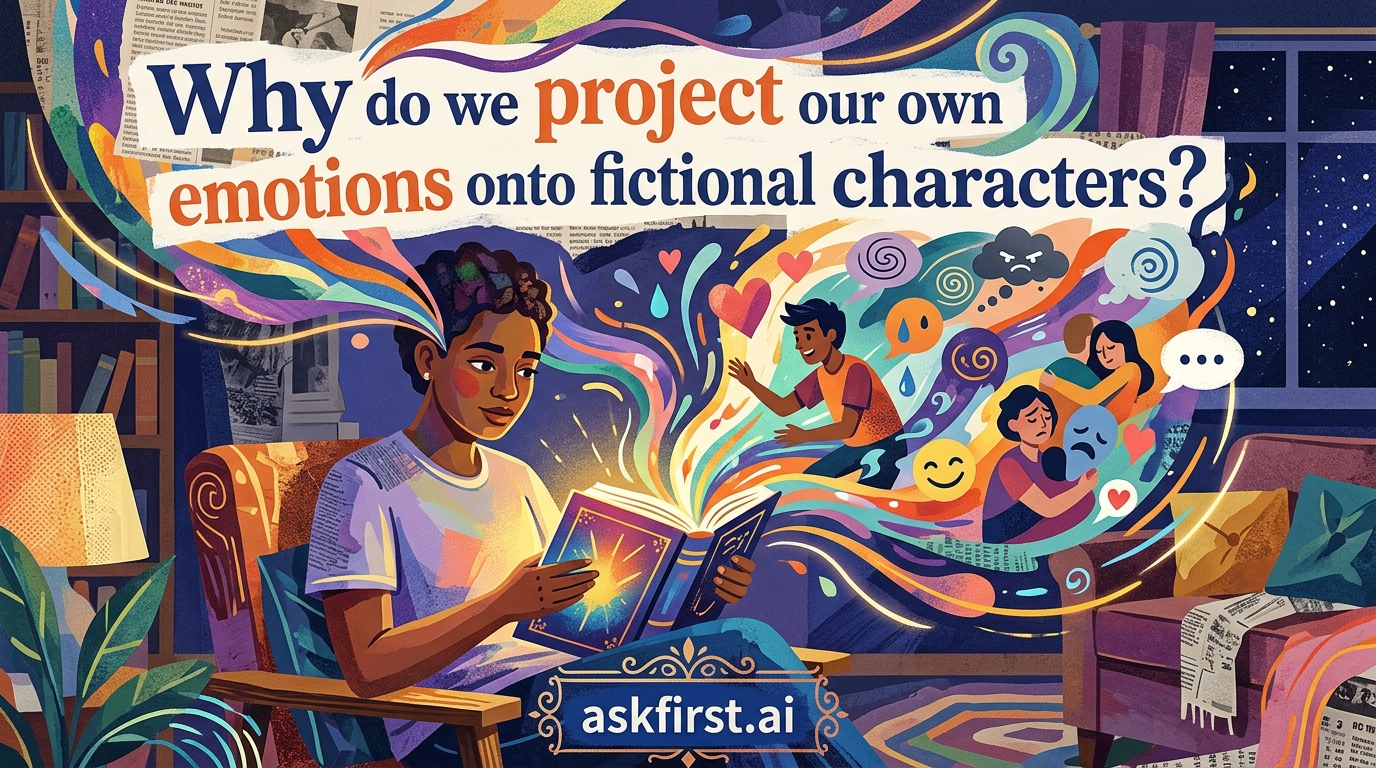
The Mirror of Fiction: Why We Emotionally Bond with Imaginary Beings
Human consciousness thrives on connection. Whether through the pages of a classic novel or the dynamic frames of a modern cinematic masterpiece, the human brain often fails to distinguish between the emotional weight of real-life experiences and the simulated lives of fictional characters. This phenomenon, rooted in neurobiology and evolutionary psychology, serves as a bridge between individual consciousness and collective empathy.
The Neuroscience of Parasocial Connection
At the core of this experience are mirror neurons, a specialized group of brain cells that fire both when an individual acts and when they observe another acting. When a reader watches a character suffer from heartbreak or triumph over adversity, these neurons activate as if the observer were undergoing those specific experiences. This biological hardware allows for "neural coupling," a state where the observer’s brain patterns mirror those of the character, essentially turning the fiction into a visceral, felt reality.
Evolutionary Origins: Simulation as Survival
From an evolutionary standpoint, the ability to project emotions into stories is a high-level survival mechanism. Throughout history, storytelling served as a simulator for life. By projecting personal fears and desires onto characters, individuals could rehearse high-stakes situations—such as navigating betrayal, overcoming resource scarcity, or managing complex social hierarchies—without incurring actual physical or social risk. This "emotional simulation" allows for:
- Safe Exploration: Testing personal moral boundaries in a consequence-free environment.
- Identity Shaping: Using characters as templates to explore different facets of one's own personality.
- Vicarious Processing: Resolving personal emotional backlog by witnessing a character go through a similar transformative journey.
The Psychology of Self-Expansion
Psychologists often refer to the "Self-Expansion Model" to explain why humans bond so deeply with art. This theory posits that humans are driven by an innate desire to expand the self. By projecting emotions onto fictional characters, the brain incorporates parts of those characters into the reader’s "extended self." This expansion provides a sense of growth, comfort, and the feeling of living multiple lives simultaneously.
Why Fiction Feels Real
Fiction bypasses the analytical mind and speaks directly to the limbic system, the region responsible for emotional processing. Because fictional characters are often designed with archetypal traits—the hero, the rogue, the wise mentor—they become perfect vessels for the reader's projection. The ambiguity of a character’s inner life provides a blank slate upon which the audience can paint their own unaddressed feelings. Consequently, the act of reading or watching becomes a collaborative creative process where the audience completes the character's internal landscape with their own memories and emotional patterns, ensuring that the connection remains deeply personal and profoundly moving.