The Invisible Bond: How Romantic Partners Shape Your Immunity
It is a fascinating realization that human biology does not exist in a vacuum. Scientific research into co-regulation suggests that long-term romantic partners exert a profound, quantifiable influence on each other’s physiological systems, including the immune response. This phenomenon is rooted in the constant exchange of hormonal signals, behavioral patterns, and emotional states that define intimate cohabitation.
The Synchrony of Physiological States
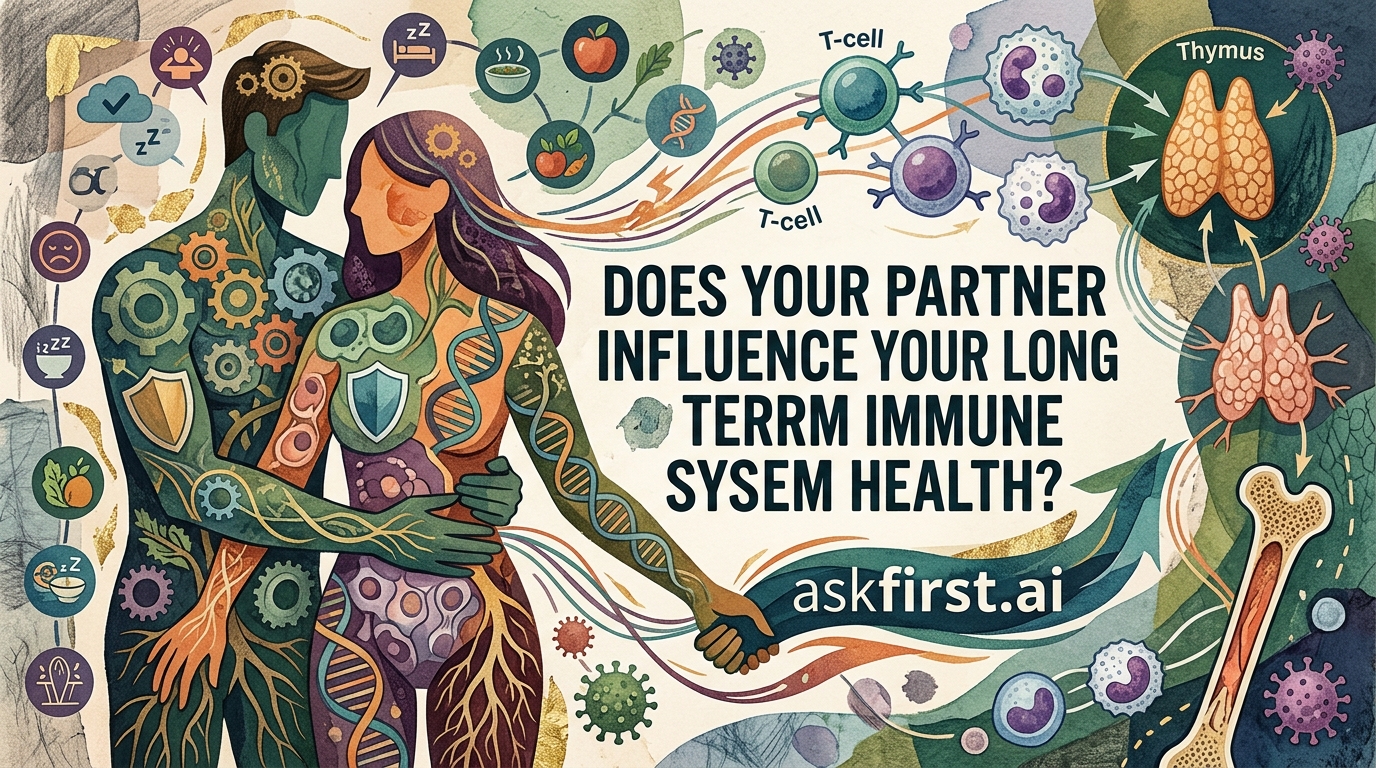
When two people live together, they undergo a process known as physiological synchrony. Studies in psychoneuroimmunology have demonstrated that partners often mirror each other's stress responses, cortisol levels, and even inflammatory markers. Because the immune system is highly sensitive to the endocrine system, chronic stress shared between partners—or, conversely, the calming effect of a supportive relationship—can dictate the long-term efficiency of one’s immune defense. A supportive partner acts as an external biological regulator, helping to dampen the production of pro-inflammatory cytokines that, if left unchecked, contribute to systemic degradation over time.
Microbiome Exchange and Immune Training
Beyond emotional influence, cohabitation involves the sharing of a domestic microbiome. Research published in journals like Nature suggests that cohabiting individuals exhibit higher similarities in their gut and skin bacterial profiles. This environmental homogenization means that partners are constantly exposing each other to new microbial antigens. For a healthy individual, this acts as a form of natural immune "training," keeping the system alert and reactive without being hyper-activated. The regular exchange of commensal bacteria creates a shared defensive landscape, potentially lowering the threshold for immune detection of common pathogens found within the household environment.
Behavioral Feedback Loops
Immune health is also heavily dependent on lifestyle variables—sleep quality, nutritional habits, and physical activity—which are often socially contagious. If one partner adopts healthier sleep hygiene or a more nutrient-dense diet, the other is statistically likely to follow suit. Sleep deprivation is a known inhibitor of T-cell function; therefore, if a partner encourages better rest, they are directly bolstering the other’s immune architecture. Conversely, discordant sleeping patterns or conflicting nutritional goals can create a baseline of biological instability, placing undue stress on the immune system.
Long-Term Implications for Vitality
Ultimately, the immune system is not merely a collection of isolated cells; it is an integrated network responsive to environmental inputs. A high-quality relationship provides the social safety necessary to lower chronic sympathetic nervous system arousal, which preserves the thymus and bone marrow’s ability to generate robust immune responses throughout the lifespan. By fostering a calm, cooperative, and health-conscious home environment, partners serve as biological anchors for one another. This invisible support system is one of the most effective, yet under-recognized, components of preventative health maintenance in the modern world.