The Pill Psychology: Decoding Personality Through Health Choices
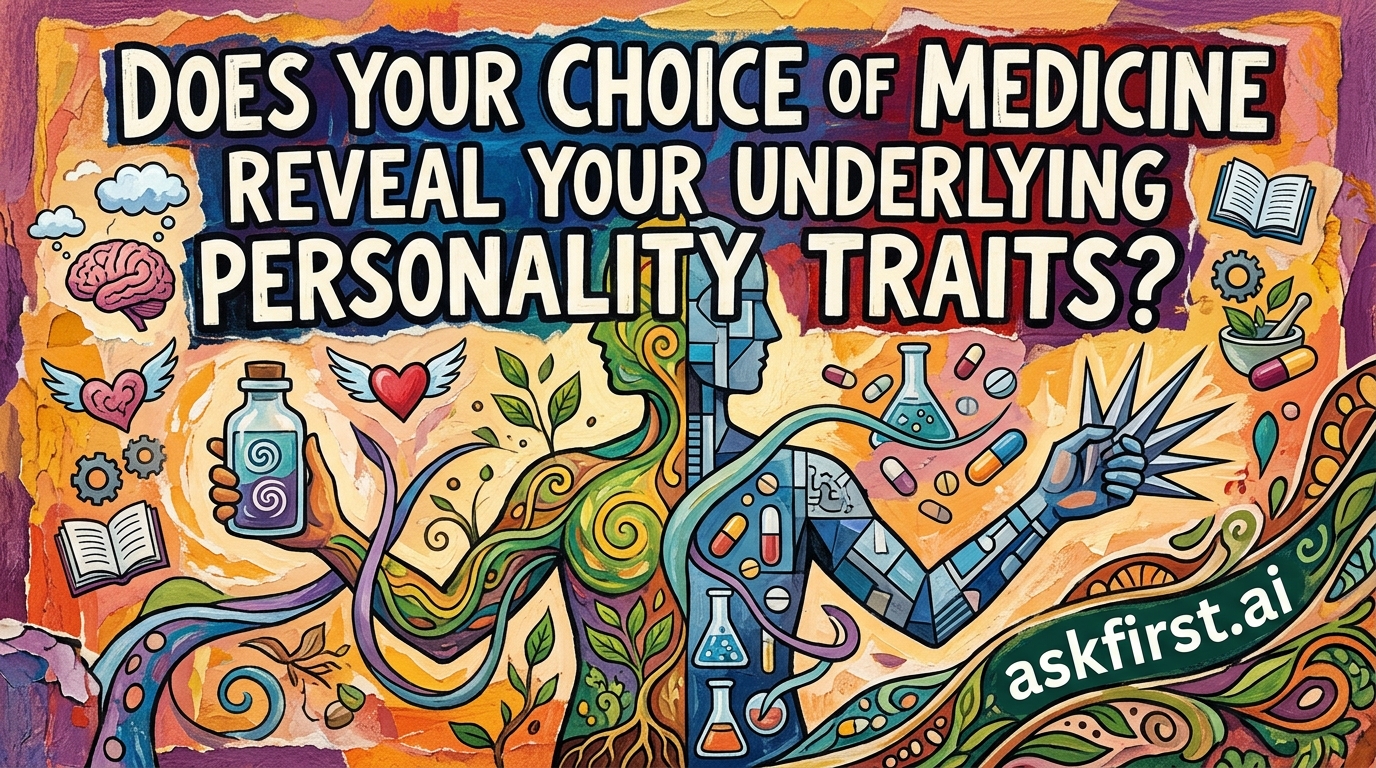
Recent psychological research suggests that the medicines people gravitate toward may be more than mere functional choices; they could reflect deep-seated personality traits and cognitive styles. This field of study, often bridging behavioral medicine and personality psychology, explores how individual preferences for treatment methods—ranging from holistic herbal remedies to traditional pharmaceutical interventions—align with the Big Five personality traits.
The Holistic vs. Clinical Divide
Individuals who consistently favor natural, herbal, or homeopathic remedies often score higher on the trait of "Openness to Experience." This personality dimension is associated with curiosity, intellectual engagement, and a preference for unconventional solutions. In contrast, those who prefer conventional, evidence-based pharmaceutical medicines often demonstrate higher levels of "Conscientiousness." These individuals tend to value structure, reliability, and established systems, viewing traditional medicine as a more predictable and organized approach to health.
Risk Aversion and Health Decision-Making
Personality also influences how people perceive risk in medical decision-making. People with high "Neuroticism" levels are statistically more likely to seek out multiple opinions and perhaps engage in "medication switching," as they may be more sensitive to side effects or feel increased anxiety regarding their physical well-being. Conversely, individuals who display high "Extraversion" often rely on social proof. They are more likely to adopt health protocols that are popular within their social circles or recommended by trusted community figures, reflecting a tendency to prioritize collective consensus over solitary research.
The Role of External vs. Internal Locus of Control
Psychologists emphasize that the "Locus of Control" is a major determinant in how we handle health. Those with an "Internal Locus of Control"—the belief that one is responsible for their own health outcomes—often prefer preventative, lifestyle-based medical choices. They view medicine as a supporting tool rather than the primary driver of recovery. Meanwhile, those with an "External Locus of Control" are more inclined to defer to authoritative systems and pharmaceutical experts, feeling more secure when following a prescribed, rigid regimen provided by external professionals.
Behavioral Patterns in Health
It is essential to recognize that these choices are rarely black and white. Most people exist on a spectrum. For instance, a highly conscientious person may utilize herbal supplements as a secondary health practice while maintaining a strict adherence to pharmaceutical protocols for chronic conditions. Understanding these links does not suggest that a specific medicine type makes a person a certain way, but rather that our cognitive habits, values, and personality frameworks influence the strategies we adopt to manage our physical existence. By acknowledging these patterns, individuals can better understand their own decision-making biases and pursue a balanced, objective approach to their long-term health and well-being.