The Biology of Connection: How Love Impacts Physical Pain
Scientific research increasingly suggests that love and social connection function as potent biological analgesics. The experience of physical pain is not merely a mechanical signal sent from damaged tissue to the brain; it is a complex psychological event mediated by the limbic system, which also processes emotional states and social bonds. When humans experience deep connection or empathy, the brain activates specific neural pathways that can modulate the perception of discomfort.
The Role of Oxytocin and Neural Dampening
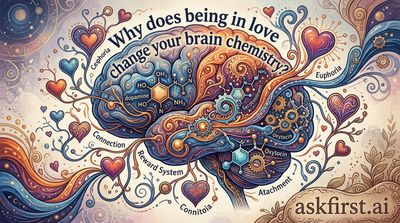
At the center of this phenomenon is oxytocin, often dubbed the "cuddle hormone." Produced in the hypothalamus, oxytocin is released during physical touch, intimacy, and acts of social bonding. Studies, such as those conducted at the UCLA Cousins Center for Psychoneuroimmunology, indicate that increased levels of oxytocin can dampen the amygdala's response to pain-inducing stimuli. By modulating neural firing patterns, love-induced hormone release essentially raises the individual's pain threshold.
- Brain Imaging Evidence: Functional magnetic resonance imaging (fMRI) scans have shown that when individuals in committed, loving relationships view images of their partners while experiencing mild pain, the prefrontal cortex shows heightened activity. This activity is linked to the downregulation of pain processing centers, such as the anterior cingulate cortex.
- The Power of Physical Touch: Holding the hand of a loved one has been clinically proven to synchronize breathing and heart rates between partners, a phenomenon known as physiological coupling, which significantly reduces the subjective intensity of reported pain.
Evolutionary Mechanisms of Comfort
From an evolutionary biology perspective, the survival of the human species relied on cooperation and the maintenance of group safety. When an individual is injured, social proximity and the comfort provided by kin serve as a protective mechanism. The brain has evolved to prioritize this "social safety signal" over the distress signal caused by physical injury. Therefore, the presence of a loving partner communicates safety to the central nervous system, signaling that it is biologically advantageous to reduce the "fight or flight" stress response, which otherwise exacerbates inflammation and pain perception.
The Psychological Buffer
Beyond neurochemistry, love provides a psychological buffer against suffering. Anxiety and fear are known to amplify pain, creating a cycle where stress causes muscle tension and heightened sensory sensitivity. Love interrupts this cycle by replacing fear with feelings of security and belonging. This emotional stability minimizes the cognitive preoccupation with physical symptoms, allowing the body to redirect resources toward homeostatic repair and tissue recovery. While love does not function as a medical substitute for treating physiological trauma, it acts as a powerful adjuvant that improves patient outcomes by reducing cortisol levels and supporting the nervous system's capacity to regulate internal discomfort.