The Neuroscience of Love: Rewiring Your Brain for Connection
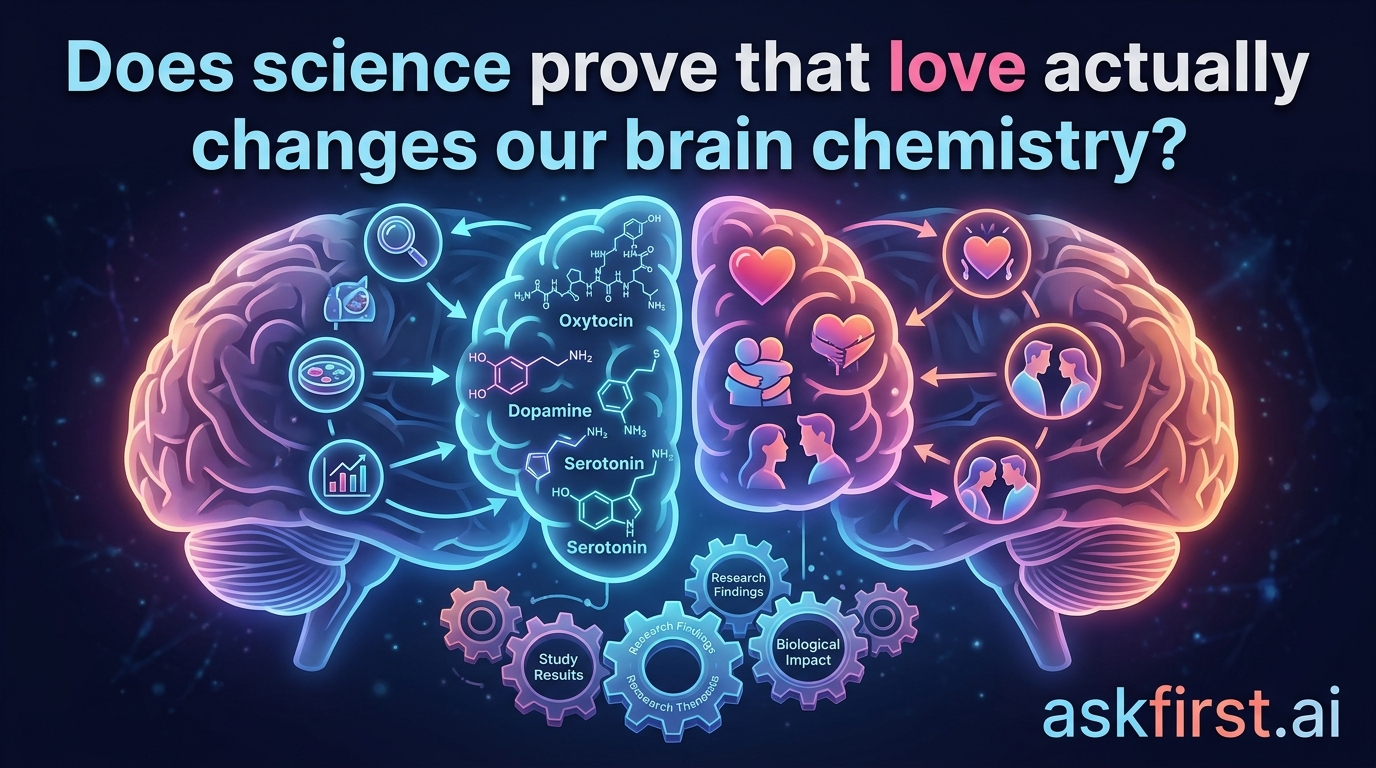
Scientific research definitively confirms that romantic love is not merely a metaphor or a feeling, but a profound physiological state that fundamentally alters brain chemistry. When an individual experiences love, the brain undergoes a complex chemical transformation that mirrors processes seen in reward-seeking behaviors and addiction, albeit for the purpose of pair bonding and evolutionary survival.
The Neurochemical Cocktail of Passion
At the onset of romantic love, the brain releases a potent surge of neurotransmitters that create an intense state of euphoria and focus. This "chemical high" is driven by several key components:
- Dopamine: Often dubbed the "reward" chemical, dopamine is released in the ventral tegmental area. It provides the intense motivation and exhilaration that characterizes the early stages of a relationship.
- Norepinephrine: This chemical contributes to the physical symptoms of falling in love, including a racing heart, sweaty palms, and heightened alertness. It facilitates the sharp, laser-like focus on the beloved.
- Serotonin: Interestingly, serotonin levels often drop during the early "obsession" phase of love. This depletion is similar to levels observed in individuals with obsessive-compulsive disorder, which explains the pervasive, uncontrollable thoughts people experience about a new partner.
Long-Term Bonding and Stability
While the initial spark relies on dopamine, long-term romantic attachment is facilitated by a different set of hormones that foster stability and comfort. As relationships mature, the neurochemical landscape shifts toward:
- Oxytocin: Known as the "cuddle hormone," oxytocin is released during physical intimacy and touch. It strengthens emotional bonds, fosters trust, and provides a sense of security and well-being.
- Vasopressin: This hormone is specifically associated with long-term commitment and monogamous behaviors. Research in species such as prairie voles demonstrates that blocking vasopressin receptors directly disrupts pair-bonding, highlighting its crucial role in maintaining lasting partnerships.
Brain Architecture and Plasticity
Functional Magnetic Resonance Imaging (fMRI) studies have shown that love activates the brain's reward system, particularly the caudate nucleus, a region involved in processing rewards and motivation. Furthermore, chronic activation of these pathways through sustained love can lead to long-term neuroplasticity. The brain effectively rewires itself to prioritize the partner, altering synaptic connections in areas related to emotional regulation and social cognition. This physiological shift is why losing a long-term partner can cause severe withdrawal-like symptoms, as the brain has become accustomed to a consistent, high-level influx of bonding-related neurotransmitters. Ultimately, love is a biological mechanism that shapes the very structure and chemical balance of the human brain, underscoring its status as an essential, deeply ingrained biological function rather than just a fleeting emotional state.