The Symphony of Romance: Why Music Triggers Love Chemicals
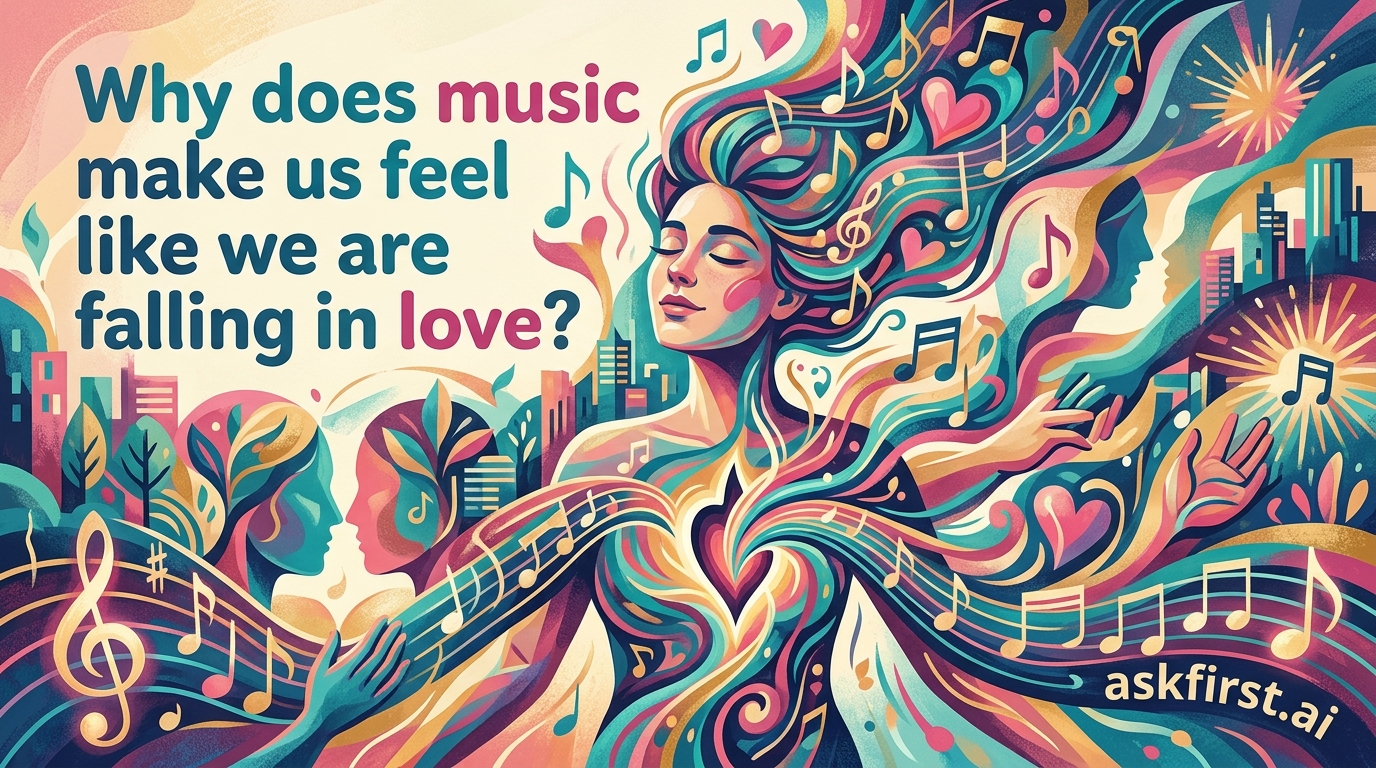
Music has an uncanny ability to bypass the rational mind and speak directly to the emotional core, creating a sensation that mirrors the intensity of falling in love. This phenomenon is not merely poetic; it is deeply rooted in neurobiology, psychology, and evolutionary patterns that shape human social bonds.
The Neurochemistry of Harmony
When listening to music that triggers an emotional response, the brain releases dopamine, a neurotransmitter synonymous with pleasure and reward. Research conducted by neuroscientists such as Dr. Robert Zatorre suggests that music stimulates the same neural pathways as other life-sustaining rewards like food and romantic intimacy. This surge of dopamine—coupled with the release of oxytocin, often called the "cuddle hormone"—creates a profound sense of attachment and euphoria. Much like the early stages of romantic love, music induces a state of heightened physiological arousal and emotional vulnerability.
Evolutionary Synchronization and Bonding
From an evolutionary standpoint, music served as a tool for social cohesion. Rhythmic synchronization and melodic harmony allow groups to align their emotions, fostering trust and cooperation. This sense of unity mimics the pair-bonding process inherent in romantic relationships. When individuals listen to music, the brain tracks patterns and anticipates shifts in frequency and tempo. This active engagement creates a mental loop of prediction and reward, mirroring the excitement of getting to know a new partner where every revelation feels like a sudden burst of discovery.
The Role of Memory and Personal Association
Music is a powerful mnemonic device. The "reminiscence bump" refers to the phenomenon where music from one's youth triggers vivid, emotional memories. Often, these memories are tied to intense personal experiences, including early infatuations. When a person hears a familiar melody, the brain retrieves the emotional context of the time that song was prominent. Because music is often the backdrop to romantic milestones—first dates, slow dances, and shared secrets—it becomes inextricably linked to the neurobiology of attraction. The brain perceives the song, retrieves the romantic association, and effectively "re-experiences" the chemical rush of the initial encounter.
Structural Mirrors of Intimacy
Music utilizes structural tension and resolution. A song builds in intensity, volume, and complexity, eventually reaching a climax (the "drop" or the bridge) before resolving into a calm ending. This structural journey reflects the stages of romantic pursuit: the nervous anticipation, the peak of passion, and the stabilizing comfort of intimacy. By guiding the listener through this cycle, music provides a controlled environment to feel these complex emotions safely. The listener is not just hearing a song; they are navigating an emotional narrative that mirrors the thrill of human connection, thereby satisfying the psychological yearning for companionship.