The Biology of Comfort: Why Stress Triggers Food Cravings
When stress strikes, the human body initiates a complex physiological response that fundamentally alters dietary decision-making. Often termed "emotional eating," this phenomenon is grounded in evolutionary biology and neurochemistry. Understanding this cycle requires examining the interplay between the HPA axis (hypothalamic-pituitary-adrenal axis), cortisol levels, and the brain's reward circuitry.
The Role of Cortisol and Neurotransmitters
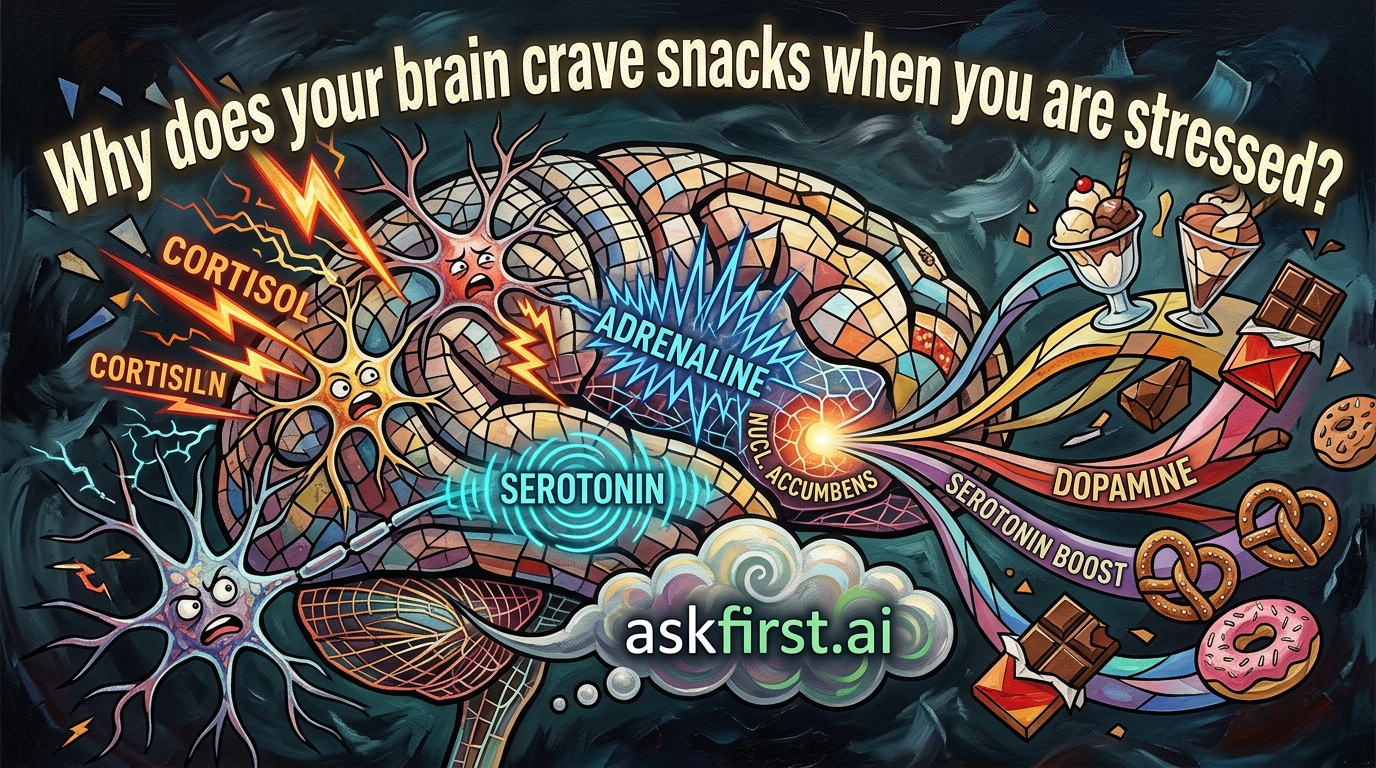
Under chronic or acute stress, the adrenal glands release cortisol, a hormone primarily designed to mobilize energy for a "fight or flight" response. While cortisol serves a vital survival function, it also acts as a powerful appetite stimulant. High levels of circulating cortisol signal the brain to seek out high-calorie, nutrient-dense fuel sources—specifically those rich in sugar and fat—to replenish perceived energy reserves. This process is further intensified by the depletion of neurotransmitters like serotonin and dopamine, which help regulate mood. By consuming hyper-palatable foods, the brain triggers a temporary dopamine release, providing a sensation of immediate gratification and psychological relief from the anxiety of the stressor.
The Evolutionary Survival Mechanism
From an evolutionary perspective, the human brain was not designed to distinguish between the stress of a predator and the stress of a looming work deadline. In ancestral environments, food scarcity was a constant reality. Consequently, the brain evolved to encourage the consumption of high-calorie, calorie-dense foods whenever possible, especially during periods of high physiological demand or uncertainty. Today, this survival adaptation becomes a maladaptive habit in an environment where hyper-processed foods are ubiquitous and easily accessible. The brain effectively perceives "stress" as an indicator that the organism needs more energy, triggering the same biological hunger pathways that once helped our ancestors survive famine.
The Reward Pathway Hijack
Stress also influences the prefrontal cortex—the area of the brain responsible for impulse control and long-term planning. When stress levels are elevated, the prefrontal cortex experiences a reduction in its functional connectivity, making it more difficult to override the primitive, impulsive signals coming from the amygdala and the ventral striatum, which drive reward-seeking behaviors. This makes it significantly harder to choose a balanced meal over a bag of potato chips. The brain literally prioritizes immediate caloric intake over long-term health objectives.
Strategies for Balancing Stress-Induced Hunger
- Mindful Pause: Implement a "five-minute rule" when a craving hits to see if the urge diminishes as the immediate emotional spike subsides.
- Physical Disturbance: Engage in light movement, such as walking or stretching, to naturally stimulate serotonin and dopamine production without caloric intake.
- Nutrient Density: Keep healthy, crunchy, or high-protein snacks accessible to satisfy the "chewing" compulsion associated with stress without the negative metabolic effects of processed sugar.
By recognizing that these cravings are a systemic biological response rather than a moral failure, individuals can implement healthier coping mechanisms to manage their environment and mitigate the impact of stress on their long-term health.