The Biology of Romance: Is Love Just Chemistry?
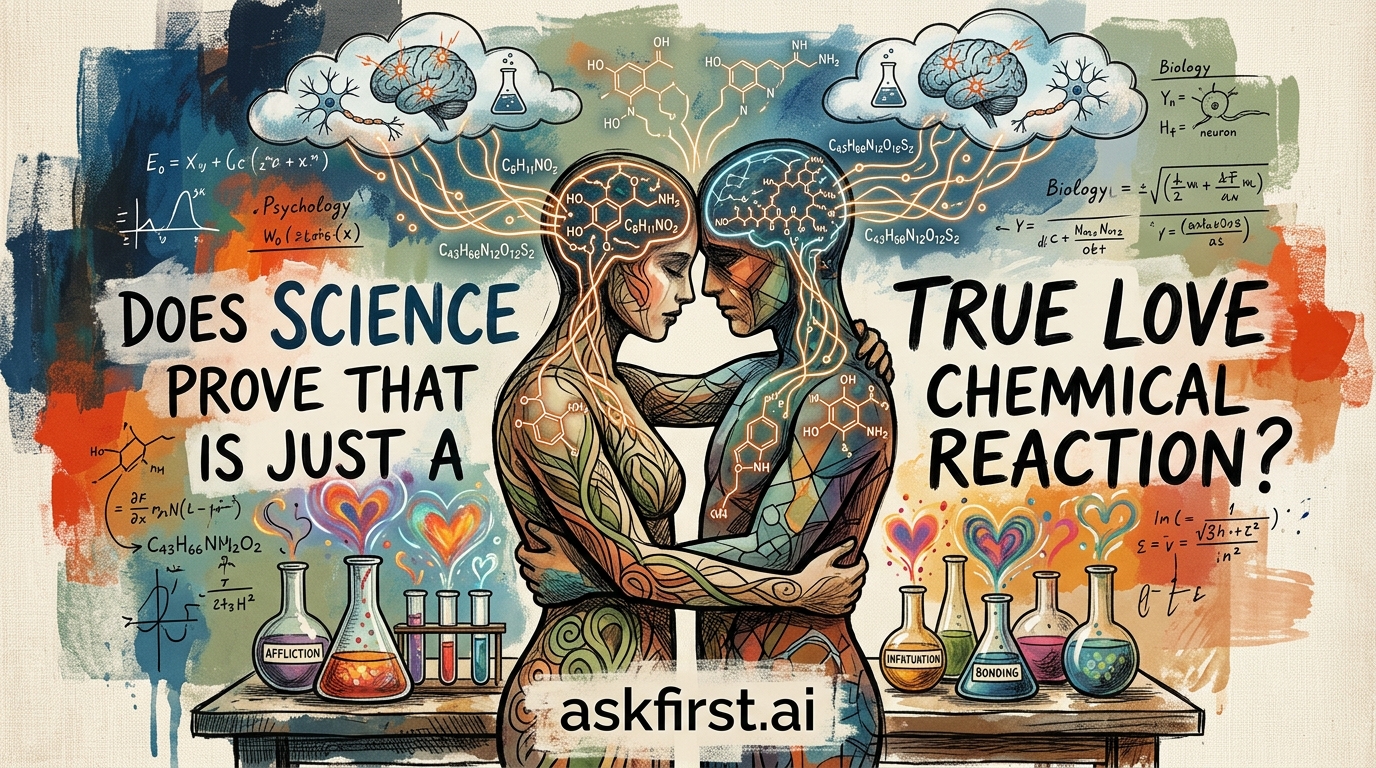
Love has long been defined by poets as a transcendent, ethereal force, but modern neuroscience suggests a more tangible foundation. Research confirms that what humans experience as "falling in love" is intricately linked to a complex cascade of neurochemicals and hormonal shifts. While reductionists argue that love is merely a chemical reaction, a more holistic view reveals that these biological processes serve as the architecture for the profound emotional bonds defining the human experience.
The Neurochemical Cocktail of Attraction
When an individual experiences deep romantic connection, the brain enters a state of heightened activity across several key pathways:
- Dopamine: This neurotransmitter is associated with reward and pleasure. In the early stages of love, the brain's reward system—particularly the ventral tegmental area—lights up, creating the intense focus and euphoria associated with infatuation.
- Oxytocin and Vasopressin: Often dubbed the "cuddle hormones," these are crucial for long-term attachment. Oxytocin promotes feelings of trust and bonding, facilitating the transition from intense passion to enduring companionship.
- Norepinephrine: This chemical triggers the "fight or flight" response, explaining the racing heart, sweaty palms, and sleepless nights common during the honeymoon phase.
Moving Beyond Reductionism
To label love as "just" a chemical reaction is to commit a category error similar to claiming that a symphony is "just" vibrating air molecules. While the chemical constituents are objectively present, they do not account for the entirety of the experience. The subjective feeling of love involves cognitive appraisal, personal history, cultural influence, and the conscious decision to commit.
Neuroscience does not negate the reality of love; rather, it explains the mechanism through which the brain processes it. The presence of dopamine and oxytocin is not the definition of love, but the physical manifestation of it. These chemicals provide the physiological "glue" that allows individuals to overcome social barriers, build families, and sustain altruistic bonds over decades.
The Role of Cognitive Appraisal
Biological urges provide the impulse, but the human capacity for reflection elevates this into something more. Psychological research highlights that long-term love requires cognitive engagement—the choice to maintain a partnership even when the initial hormonal "rush" of dopamine naturally stabilizes. This suggests that love is a synergistic collaboration between ancient, primitive biological drives and advanced, neocortical human intelligence. Therefore, science identifies the "what"—the chemicals—while human experience provides the "why"—the meaning we derive from our connections.