The Resonance of Beauty: How Aesthetics Remodel Cardiac Health
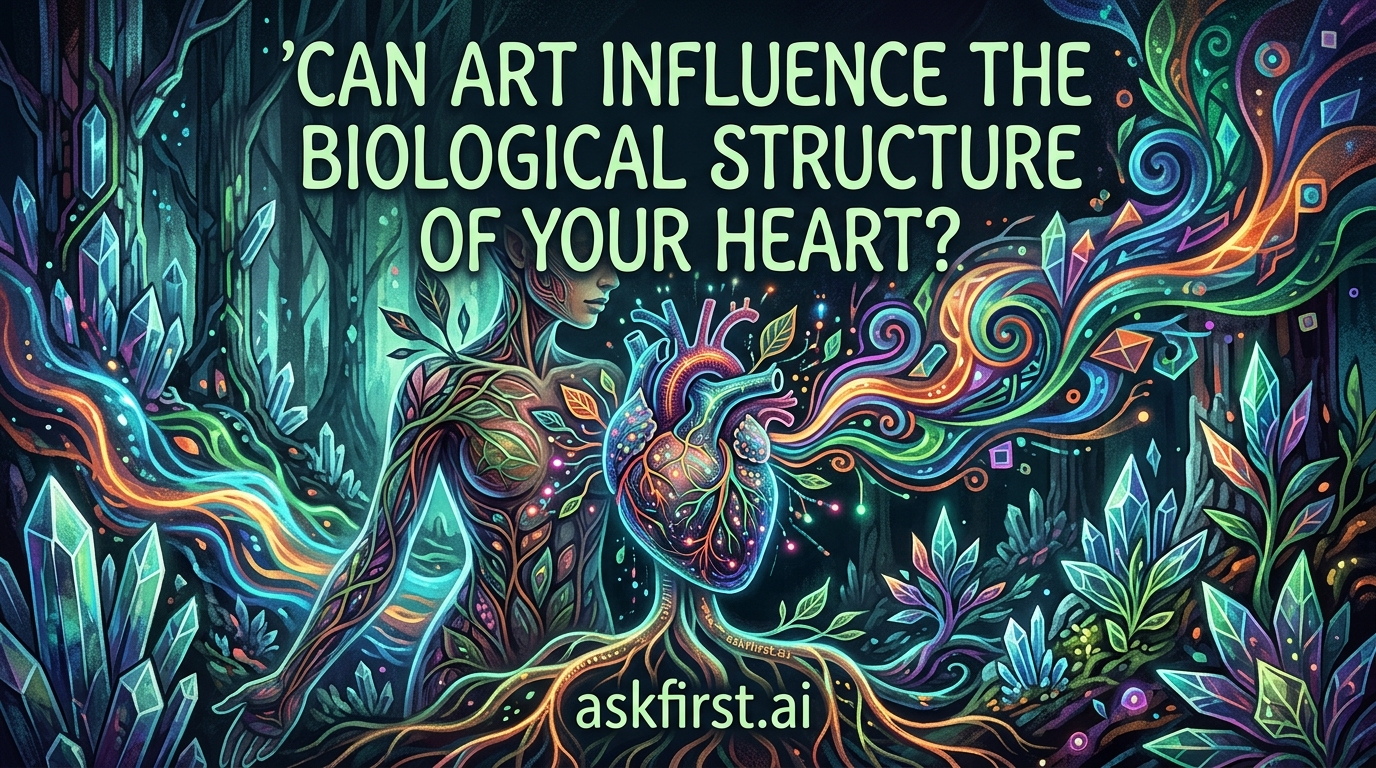
Recent advancements in neurocardiology and psychophysiology have unveiled a profound connection between the appreciation of aesthetics and the physiological markers of cardiovascular integrity. While it might seem counter-intuitive that visual or auditory stimuli could alter organ structure, the mechanisms involve the autonomic nervous system and the complex interplay of neuroendocrine secretions. When an individual engages with profound art, the brain triggers a reduction in sympathetic nervous system activation, effectively lowering cortisol levels and mitigating systemic inflammation that can cause micro-damage to cardiac tissues.
The Neuro-Cardiac Connection
Research indicates that viewing art perceived as harmonious or transcendent triggers the release of endogenous opioids and dopamine. This biochemical cascade plays a critical role in heart rate variability (HRV), a key indicator of cardiac health and resilience. Consistent exposure to beauty helps maintain autonomic balance, ensuring that the heart does not remain in a state of chronic "fight or flight" readiness. Over time, this stability influences the electrical stability of the myocardium, potentially reducing the risks associated with structural remodeling common in chronic stress conditions.
- Stress Mitigation: Aesthetic immersion inhibits the release of pro-inflammatory cytokines that contribute to the stiffening of arterial walls.
- Cardiac Coherence: Studies have demonstrated that participants viewing masterpieces show increased heart rhythm coherence, fostering more efficient cardiovascular operation.
- Vagal Tone Enhancement: Deep appreciation of art stimulates the vagus nerve, which helps regulate heart rate and fosters long-term structural health by keeping blood pressure within optimal ranges.
Beyond Psychosomatic Effects
It is essential to understand that art functions as a powerful tool for gene expression regulation. Through the process of epigenetics, positive environmental stimuli—like the contemplation of awe-inspiring works—can signal the body to downregulate pathways associated with chronic inflammation. By fostering a state of emotional "awe," the brain instructs the body to prioritize regenerative processes over defensive ones. This shift is not merely fleeting; persistent engagement with art can contribute to the preservation of telomere length, which correlates with the longevity of cardiac cellular health.
Scientific Implications
While the heart is a mechanical pump, its structural longevity is tied to the internal environment. By choosing to surround oneself with stimulating, beautiful, or thought-provoking art, one essentially creates a biological sanctuary. This is not to suggest that art replaces medicine, but rather that it acts as a primary preventative catalyst. The structural integrity of the heart depends on the harmony of the internal milieu, and art provides the precise frequency of stimulation needed to maintain that delicate, life-sustaining balance for years to come.