The Bio-Architect: Harnessing the Placebo Response for Peak Human Performance
Understanding the Biological Miracle
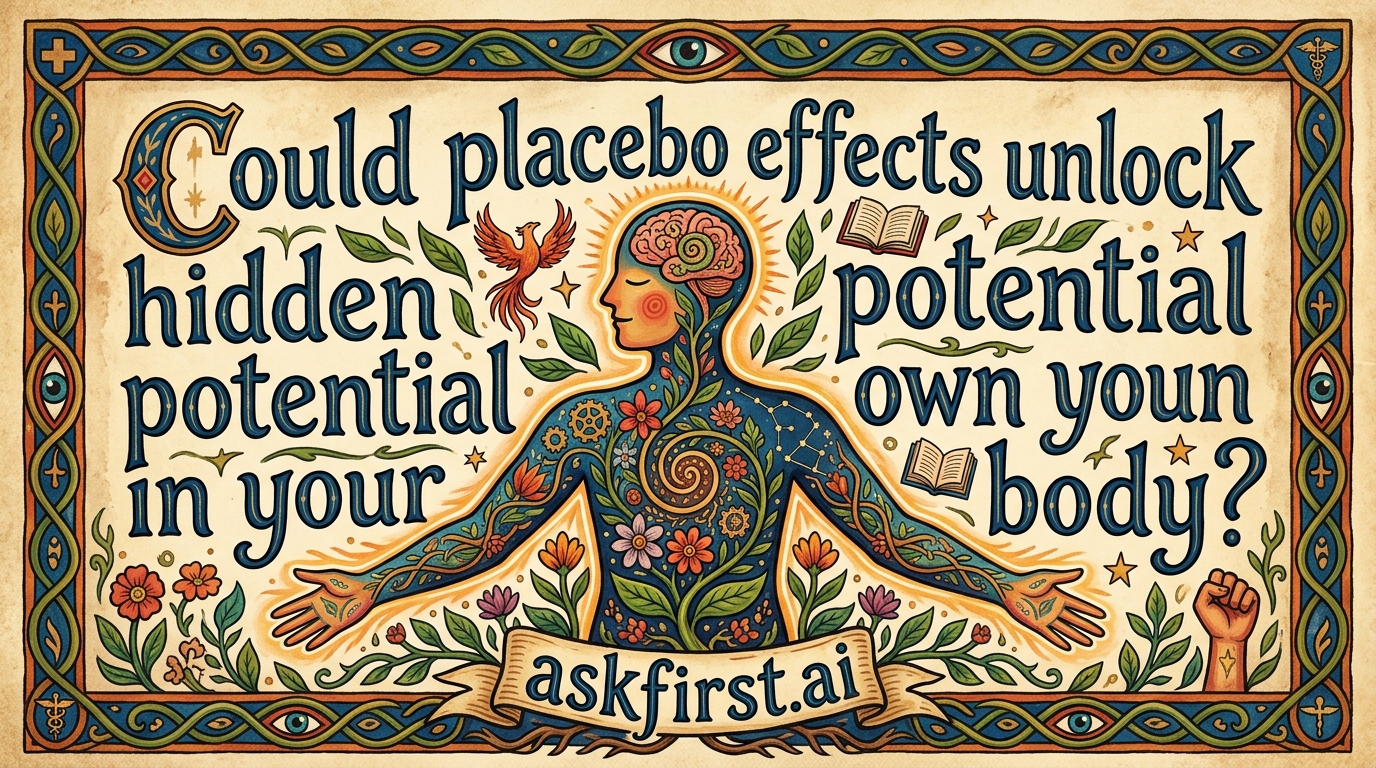
The placebo effect is not merely "all in your head"; it is a tangible, neurobiological phenomenon where the body produces its own pharmacy in response to expectation. When a person believes a treatment will work, the brain releases neurotransmitters like dopamine and endorphins, which can actively modulate physiological functions, reduce inflammation, and alter pain perception. Research from Harvard Medical School suggests that even when patients are told they are taking a placebo—a practice known as open-label placebo—the ritual of care and the expectation of improvement can still trigger significant therapeutic responses.
The Mechanisms of Self-Regulation
The body utilizes complex neural pathways to manifest these benefits. Key mechanisms include:
- Expectancy Theory: The brain anticipates a specific outcome, shifting neural activity to prepare the body for that reality.
- Conditioning: Years of past positive experiences with medical environments or healing rituals create a conditioned Pavlovian response that triggers physiological relief.
- Dopamine Activation: Expecting improvement often engages the brain's reward centers, which can alleviate symptoms by boosting neurochemical signaling.
Transcending Limits in Daily Life
Beyond clinical medicine, the concept of the placebo can be applied to enhance daily performance. By cultivating a "growth mindset" or framing routine habits as high-impact interventions, individuals can often observe measurable improvements in focus, stamina, and resilience. This is often referred to as the "contextual effect" of life. For instance, athletes who undergo "sham" procedures often show recovery metrics indistinguishable from those receiving actual intervention, provided they believe the process is transformative. This suggests that the subconscious mind acts as a gatekeeper to the body's latent capabilities, and belief acts as the key.
Ethical Integration and Future Outlook
The scientific community is moving toward a more nuanced understanding of how these effects can be harnessed ethically. Rather than relying on deception, the future of human optimization involves leveraging the ritual of self-care and the power of belief to enhance recovery. Practices such as visualization, positive priming, and intentional goal setting serve as "psychological placebos" that help the body navigate stress, optimize immune function, and improve sleep quality. When the mind is convinced of a path to improvement, the physical body frequently aligns to facilitate that change. As neuroscience continues to map the brain-body connection, it becomes increasingly clear that our expectations are not just thoughts; they are biological commands that influence our fundamental state of well-being. By choosing to believe in the body's capacity for growth, individuals can move beyond perceived physical limitations, unlocking new levels of endurance, health, and cognitive agility without ever needing an external chemical agent.