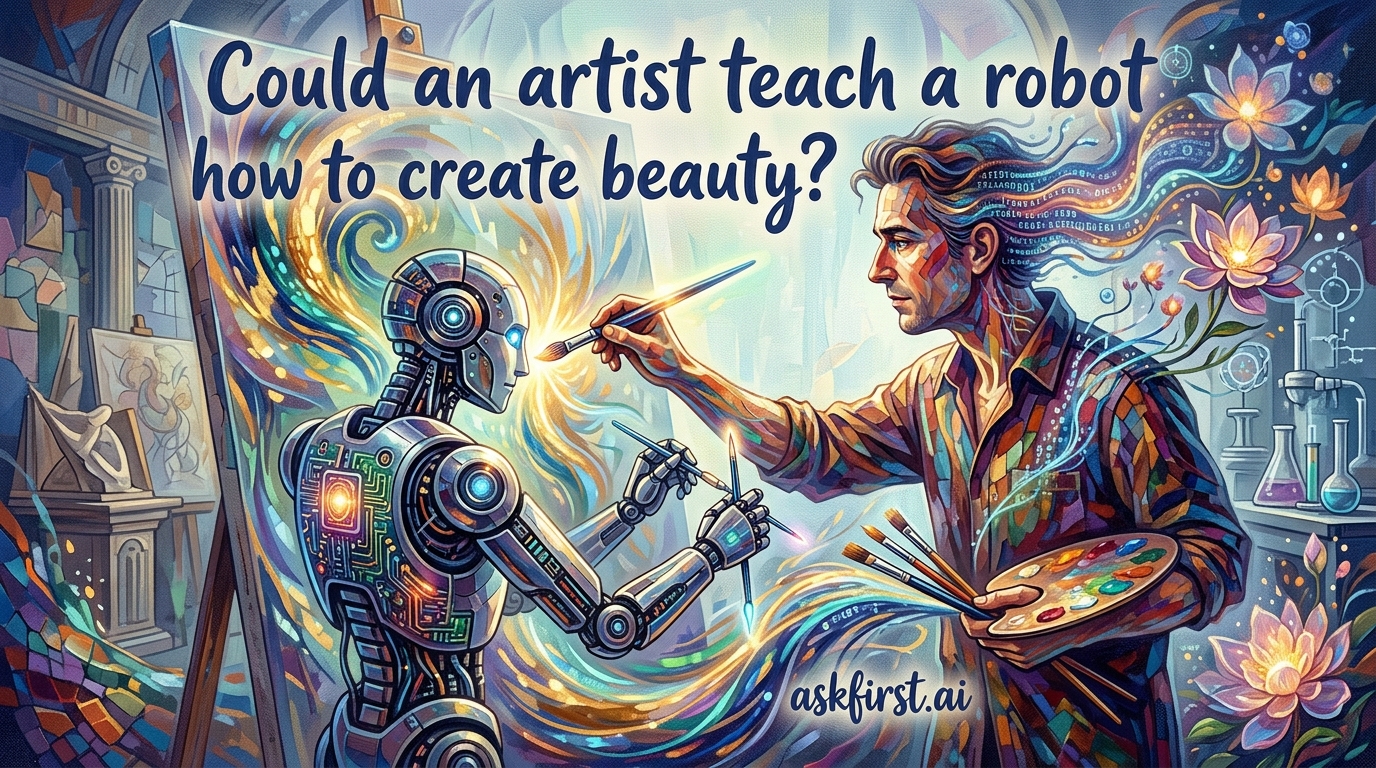
The Artistic Algorithm: Can Machines Master the Essence of Beauty?
For centuries, the creation of beauty was considered the exclusive domain of the human spirit—a product of biological intuition, emotional turbulence, and lived experience. However, the rise of generative artificial intelligence is dismantling this exclusivity. The question of whether an artist can teach a robot to create beauty requires shifting the focus from technical imitation to the transmission of aesthetic intent.
The Architecture of Aesthetic Training
Teaching a machine to create beauty involves moving beyond simple pattern recognition. An artist functions as a "curator of intent." By providing a robot with vast datasets of human masterworks, the artist establishes a foundational grammar of aesthetics—proportion, color theory, light composition, and rhythmic balance. This process, known in machine learning as adversarial training, allows the machine to mimic stylistic nuances that were once thought impossible for software to grasp.
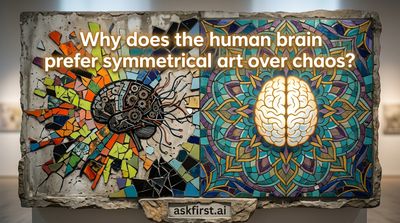
However, technical accuracy does not equate to beauty. Beauty, as defined by philosophers like Immanuel Kant, involves a "purposelessness" that evokes a sense of pleasure. To bridge this gap, artists are now embedding subjective constraints—the "imperfections" of brushstrokes or the deliberate imbalance in a composition—into the algorithm. This human-led guidance teaches the machine that beauty often resides in the tension between order and chaos.
Can Machines Truly Transcend Imitation?
It is essential to distinguish between mimetic reproduction and generative creation. Currently, robots excel at identifying what humans statistically label as "beautiful" and replicating those parameters. Yet, the true spark of artistic innovation—the ability to break rules deliberately to invoke an emotional response—remains a symbiotic process. In this context, the robot acts as an amplifier of the artist's vision.
- Collaborative Creativity: Artists act as conductors, steering generative models through prompts that refine, twist, and reinterpret historical beauty.
- The Data Bias: If a machine learns only from classical art, it creates derivatives; when taught from experimental and abstract datasets, it begins to explore uncharted aesthetic territories.
The Future of Creative Symbiosis
Ultimately, beauty is not a fixed variable but a subjective consensus. If an artist provides the conceptual framework and a robot executes the physical or digital manifestation, the result is a hybrid creation that qualifies as beauty. The robot provides the infinite bandwidth, while the artist provides the moral and emotional compass. By embedding human cultural wisdom into neural networks, humanity is essentially encoding its definition of beauty into the mechanical world. The artist does not merely teach the robot how to render an image; the artist teaches the machine to translate human experience into a language of form and color that resonates with our collective consciousness. As these tools evolve, the distinction between machine execution and human vision will blur, leaving us with a new, collaborative era of aesthetic discovery.