The Hidden Geometry of Beauty: Why Symmetry Captivates Our Brains
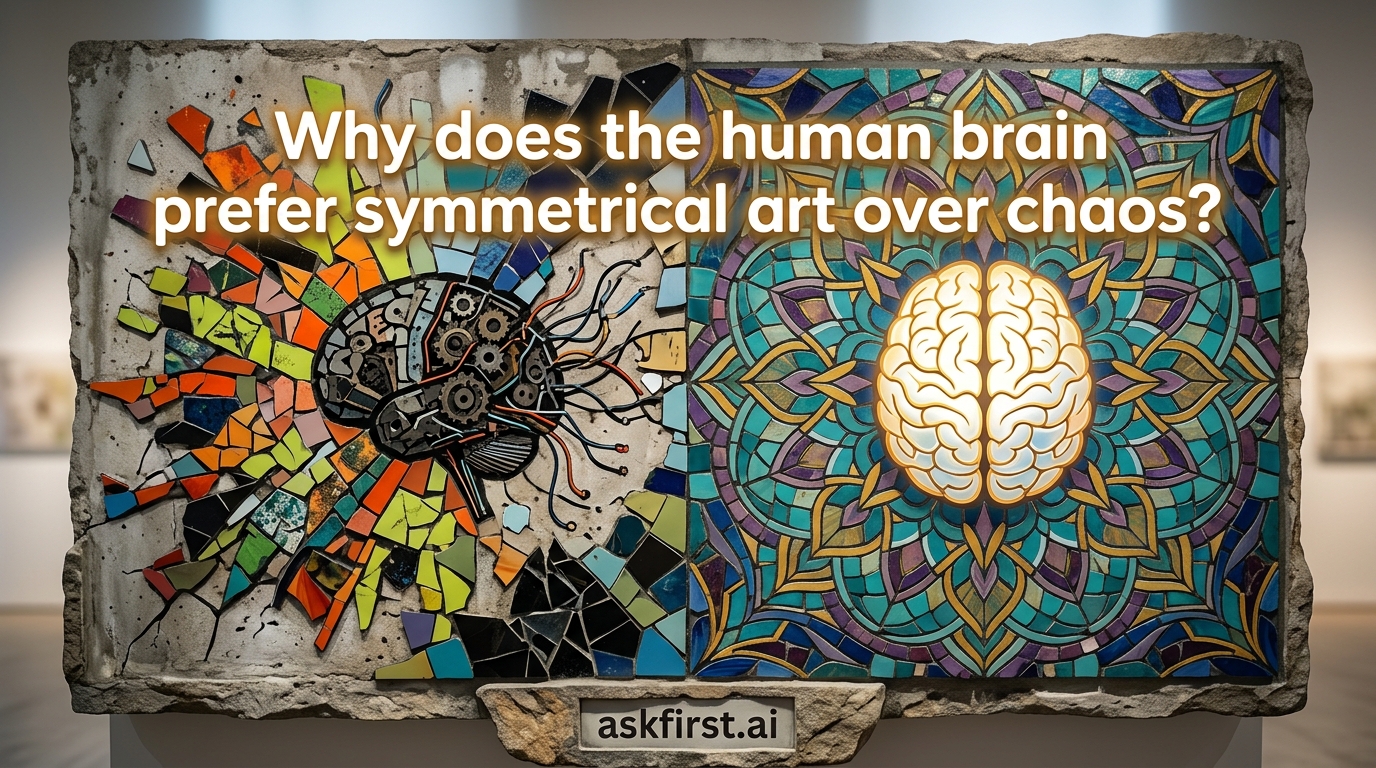
Human aesthetic preference for symmetry is not merely a cultural construct; it is a fundamental biological directive rooted in the architecture of the human brain. From the balanced proportions of a Renaissance masterpiece to the natural arrangement of a flower, our visual systems are hard-wired to prioritize equilibrium and order over chaos.
Evolutionary Efficiency and Cognitive Load
At its core, the brain is an energy-saving machine. Processing visual information requires significant neural resources. Symmetry provides a mathematical advantage: it allows for the rapid identification of objects through redundancy. When a pattern is symmetrical, the visual cortex only needs to process one side to accurately predict the other. This phenomenon, known as perceptual fluency, reduces cognitive load and provides a subtle reward of dopamine to the brain. In an evolutionary context, symmetry often acted as a shortcut to distinguish high-quality biological specimens—like healthy potential mates or nutritious resources—from the dangerous, chaotic unpredictability of the natural world.
The Neural Basis of Aesthetic Pleasure
Research in neuroaesthetics suggests that symmetrical stimuli activate specific areas of the brain associated with reward processing, such as the orbitofrontal cortex. This is not simply about "liking" a picture; it is an instinctive appraisal of structural integrity. When the brain detects order, it perceives the object as safer and more stable. Chaos, by contrast, suggests potential danger, instability, or decay. Consequently, symmetrical designs function as a "safe harbor" for the mind, allowing it to rest rather than remain in a heightened state of alert.
Symmetry vs. Complexity
It is important to distinguish between "symmetrical" and "boring." While strict, singular symmetry can sometimes feel static, the most enduring human art often blends symmetry with hierarchical complexity. This is seen in fractal geometry, which appears in both natural landscapes and complex architecture like Gothic cathedrals. The human brain craves the structural reliability of symmetry but requires a degree of complexity to stay engaged. This "Goldilocks zone" of complexity—where symmetry provides the frame and detail provides the depth—is the foundation of what humans historically categorize as "beauty."
Conclusion
The human preference for symmetry is an ancient evolutionary legacy. By favoring balance, the brain optimizes its ability to scan, categorize, and appreciate the world, turning visual input into a structured, comprehensible experience. While our artistic tastes may evolve, the underlying neural pathways that find joy in reflection and balance remain as consistent as the human mind itself, serving as a bridge between biological survival mechanisms and the pursuit of aesthetic transcendence.