The Neurochemistry of Love: Why Your Brain Rewires for Romance
Being in love is often described as a temporary state of madness, but from a neurological perspective, it is a highly sophisticated, evolved mechanism designed to ensure reproductive success and pair bonding. When individuals fall in love, the brain undergoes a radical chemical transformation that affects everything from cognitive processing to stress response levels.
The Cocktail of Attraction
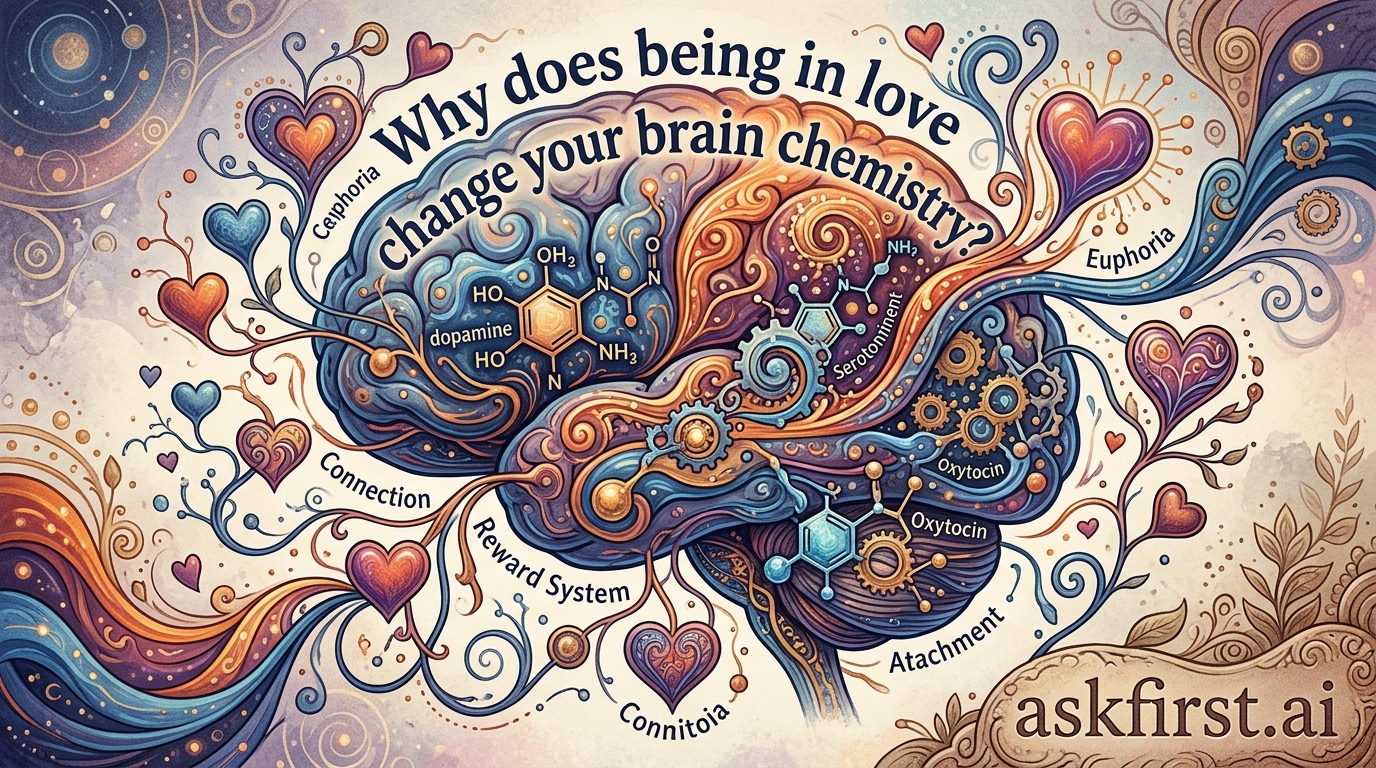
The onset of romantic love triggers a flood of neurotransmitters that create an intense feeling of euphoria and focus. This process is primarily governed by the reward system of the brain, centered in the ventral tegmental area (VTA).
- Dopamine: Often called the "pleasure chemical," dopamine levels spike during the early stages of love. This neurotransmitter is responsible for the intense craving, goal-directed behavior, and motivation associated with pursuing a partner. It is the same pathway triggered by cocaine, which explains why love can feel addictive.
- Norepinephrine: This chemical contributes to the physical symptoms of attraction, such as a racing heart, sweaty palms, and sleeplessness. It heightens alertness and creates an obsessive focus on the romantic object.
- Phenylethylamine (PEA): Known as the "love molecule," PEA is a natural amphetamine that enhances the effects of dopamine, fueling feelings of exhilaration and excitement.
Attachment and Long-Term Bonding
As the initial obsession fades, the brain transitions to a state defined by long-term attachment. This shift is facilitated by different chemical messengers that promote comfort and stability rather than the high-energy rush of initial attraction.
- Oxytocin: Frequently referred to as the "cuddle hormone," oxytocin is released in massive quantities during physical touch, intimacy, and orgasm. It fosters deep emotional connection, trust, and a sense of safety within a relationship.
- Vasopressin: Working in tandem with oxytocin, vasopressin is linked to long-term pair bonding and protective instincts. It helps cement the commitment between partners, ensuring that the attachment persists even after the initial rush of dopamine subsides.
The Deactivation of Critical Thinking
Perhaps the most fascinating aspect of love is what happens to the prefrontal cortex—the part of the brain responsible for judgment, logic, and decision-making. Studies utilizing functional Magnetic Resonance Imaging (fMRI) have shown that during the throes of romantic love, the activity in the prefrontal cortex decreases. This "blinding" effect explains why people in love often overlook flaws in their partners or make impulsive decisions. By lowering the capacity for critical social assessment, the brain ensures that the bond remains strong enough to survive initial hurdles, prioritizing species preservation over cynical scrutiny. Love is not merely an emotion; it is a profound chemical recalibration that alters human behavior and perception, effectively turning the brain into an engine for connection.