The Secret Social Network: How Trees Communicate Underground
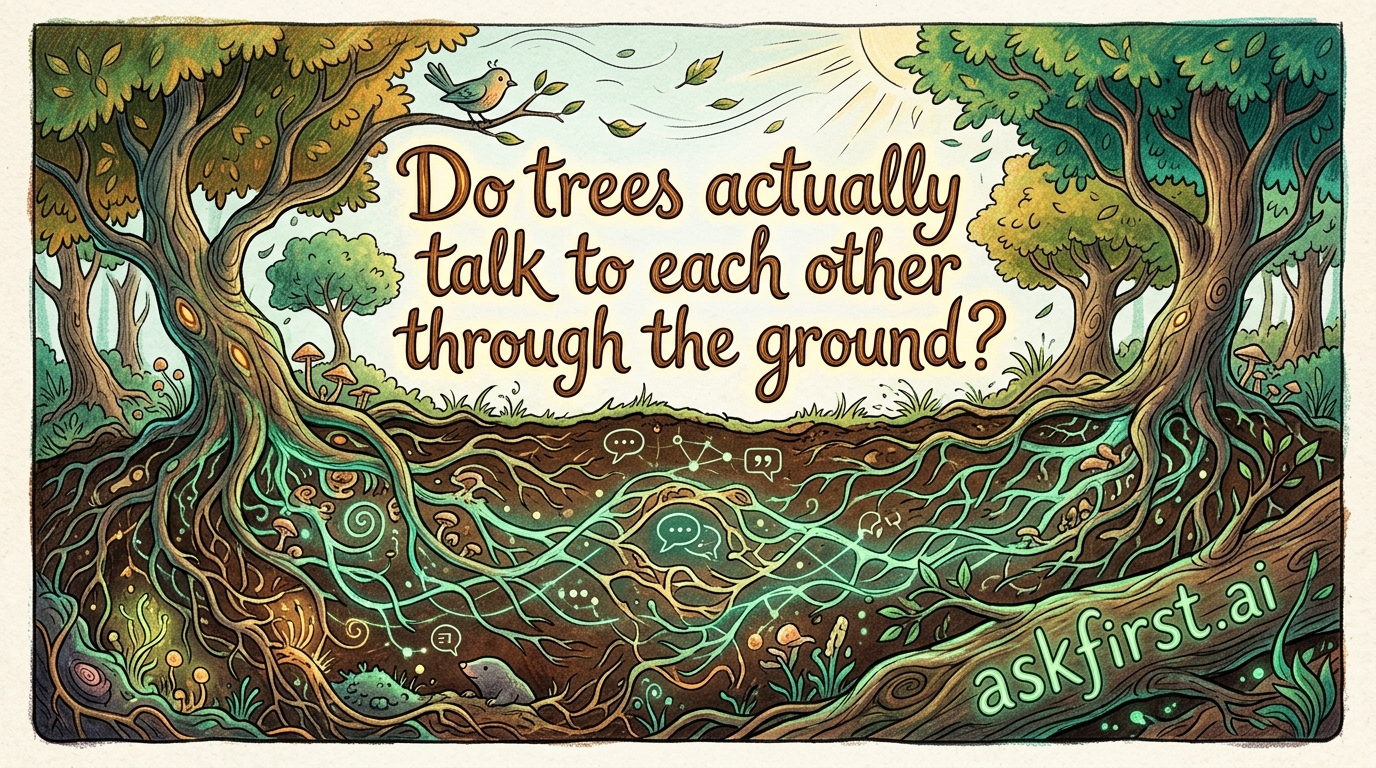
Far from the silent, stationary sentinels they appear to be, trees are actually engaged in a vibrant, complex, and highly active conversation. They communicate through an intricate underground web often referred to by ecologists as the "Wood Wide Web." This biological internet is not made of fiber-optic cables but is rather a fascinating alliance between tree roots and symbiotic fungi known as mycorrhizal networks.
The Mechanism of the Wood Wide Web
The foundation of this hidden communication system lies in a mutualistic relationship. Mycorrhizal fungi attach themselves to tree roots, extending far beyond the reach of the roots themselves. These fungal filaments, or hyphae, create a massive subterranean network that connects individual trees, sometimes even across different species.
Through this network, trees exchange vital resources. Research pioneered by scientists like Dr. Suzanne Simard has demonstrated that older, larger "mother trees" often act as central hubs. They provide excess carbon, sugar, and nutrients to younger seedlings that are shaded by the canopy and unable to perform photosynthesis effectively. It is a sophisticated, cooperative system of resource sharing that ensures the health and survival of the forest community as a whole.
Beyond Resources: A Language of Warning
The conversation between trees goes beyond simple caloric transfers. When a tree is attacked by pests, such as aphids or bark beetles, it undergoes chemical changes. These trees release biochemical signals into the mycorrhizal network that travel to their neighbors. Upon receiving these "warnings," neighboring trees proactively boost their own immune systems. They begin producing defensive enzymes and bitter compounds that make their leaves less palatable to the invaders, effectively mounting a preemptive strike against the pest population.
Why This Matters for Ecosystem Resilience
This interconnectedness fundamentally changes the way humanity views forest ecology. It implies that forests are not merely a collection of individual competitors vying for light and soil, but highly integrated social structures. Key takeaways regarding this phenomenon include:
- Resource Allocation: Established trees identify and nurture kin, providing carbon to their offspring to increase their chances of survival.
- Early Warning Systems: The chemical "chatter" allows the forest to defend itself as a collective unit against infestations.
- Species Synergy: The network connects different tree species, facilitating a diverse exchange that bolsters the overall stability of the ecosystem.
Understanding that trees operate within a social framework highlights the importance of preserving mature, healthy forests. When a "mother tree" is removed, the integrity of the entire underground network can be compromised, leaving younger trees and the local biodiversity vulnerable. This hidden, silent dialogue is the backbone of forest vitality, ensuring that while trees appear rooted in place, their influence and communication spread across the forest floor in a dance of chemical signals and nutrient exchange that has been perfected over millions of years of evolution.