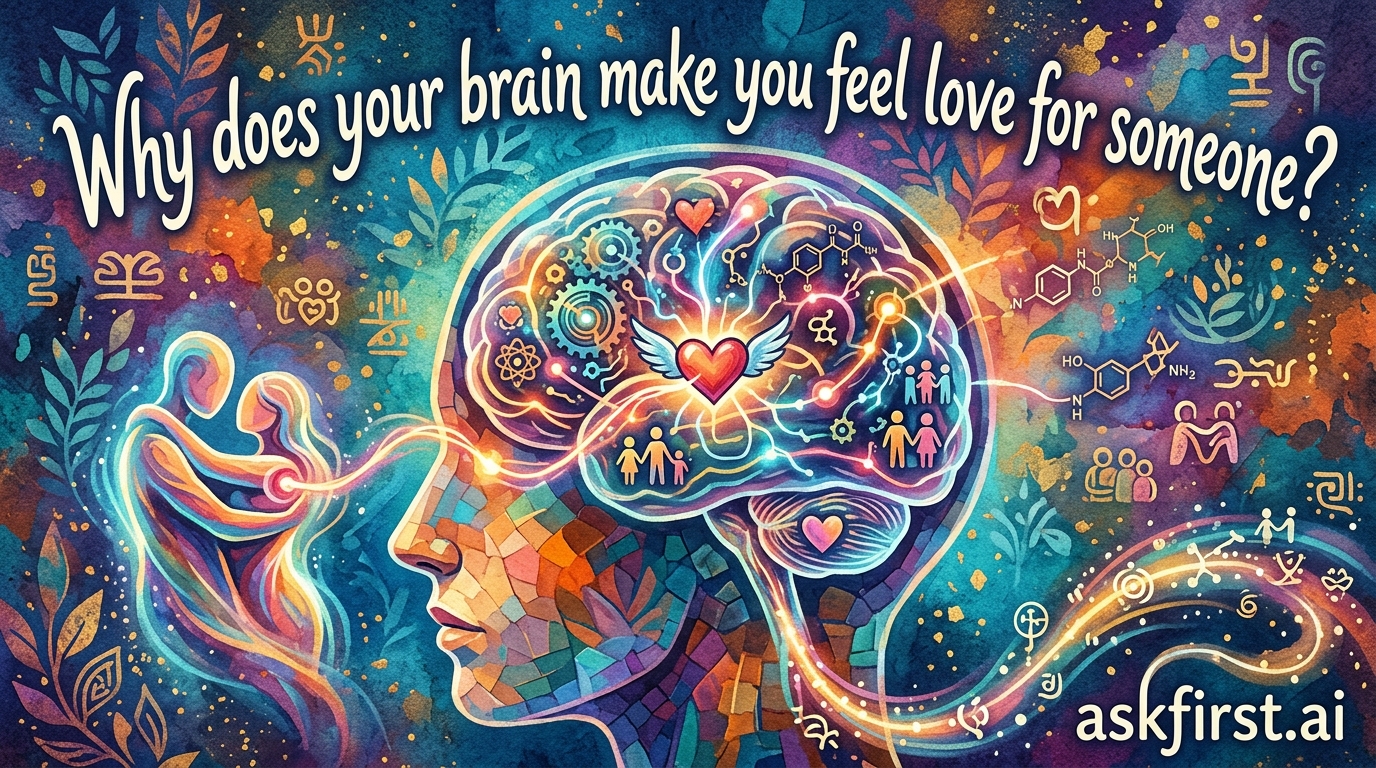
The Neuroscience of Love: Why We Are Wired for Connection
Love is often described as a mystical force, but biologically, it is a sophisticated neurochemical phenomenon designed by evolution to ensure the survival of the human species. When the brain experiences love, it undergoes a radical chemical transformation that functions much like a reward system.
The Neurochemical Cocktail of Attachment
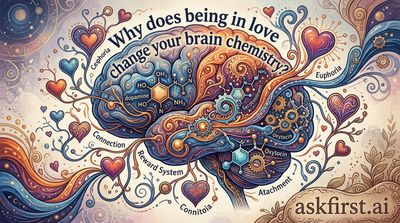
Falling in love triggers a powerful cascade of neurotransmitters and hormones. At the onset of romantic attraction, the brain releases high levels of dopamine, a chemical associated with reward, motivation, and intense focus. This explains the euphoria of early romance and the obsessive nature of new infatuation, as the brain essentially becomes "addicted" to the presence of the beloved.
Simultaneously, levels of norepinephrine rise, leading to the physical sensations of a racing heart, sweaty palms, and the high-energy state known as the "butterflies" effect. While dopamine drives the desire for pursuit, oxytocin and vasopressin function as the stabilizers of long-term bonds. Often termed the "cuddle hormone," oxytocin is released during physical intimacy and emotional connection, fostering deep trust and attachment between partners.
Evolutionary Origins and Survival
From an evolutionary psychology perspective, love is a survival mechanism. As theorized by researchers like Helen Fisher, romantic love evolved to facilitate reproductive success and protect offspring. By creating a powerful emotional bond, human ancestors were significantly more likely to stay together long enough to provide the resources and protection required for children to thrive in dangerous environments.
This system is not merely about procreation; it is about pair-bonding. By hijacking the brain’s reward circuitry, evolution ensured that individuals prioritized their partners, creating a stable unit. This biological drive for connection is deeply embedded in the primitive brain structures, specifically the ventral tegmental area and the caudate nucleus, which are primary components of our reward pathways.
Myth vs. Reality
Commonly, society mistakes love solely for passion. However, science distinguishes between:
- Lust: Driven by testosterone and estrogen.
- Attraction: Driven by dopamine, norepinephrine, and serotonin.
- Attachment: Driven by oxytocin and vasopressin.
These systems work in tandem, but they are neurologically distinct. The "crush" phase eventually wanes, which is a physiological necessity; if the brain remained in a state of high-intensity dopaminergic obsession indefinitely, it would be impossible to perform day-to-day survival tasks. The transition to a long-term, calm, and stable attachment is facilitated by the oxytocin system, which is crucial for maintaining the social cohesion necessary for human cooperation.
Ultimately, love is the brain's clever way of ensuring that humans continue to form alliances, raise families, and find deep personal meaning through connection. It is the biological infrastructure of human society.