The Bio-Acoustic Frontier: Can Sound Waves Heal Your Cells?
The intersection of sound therapy and cellular biology has become a focal point for researchers exploring how vibrations influence physiological states. While sound has been used for relaxation for millennia, recent scientific inquiry suggests that specific frequencies may play a more active role in cellular repair and metabolic function.
The Mechanism of Mechanotransduction
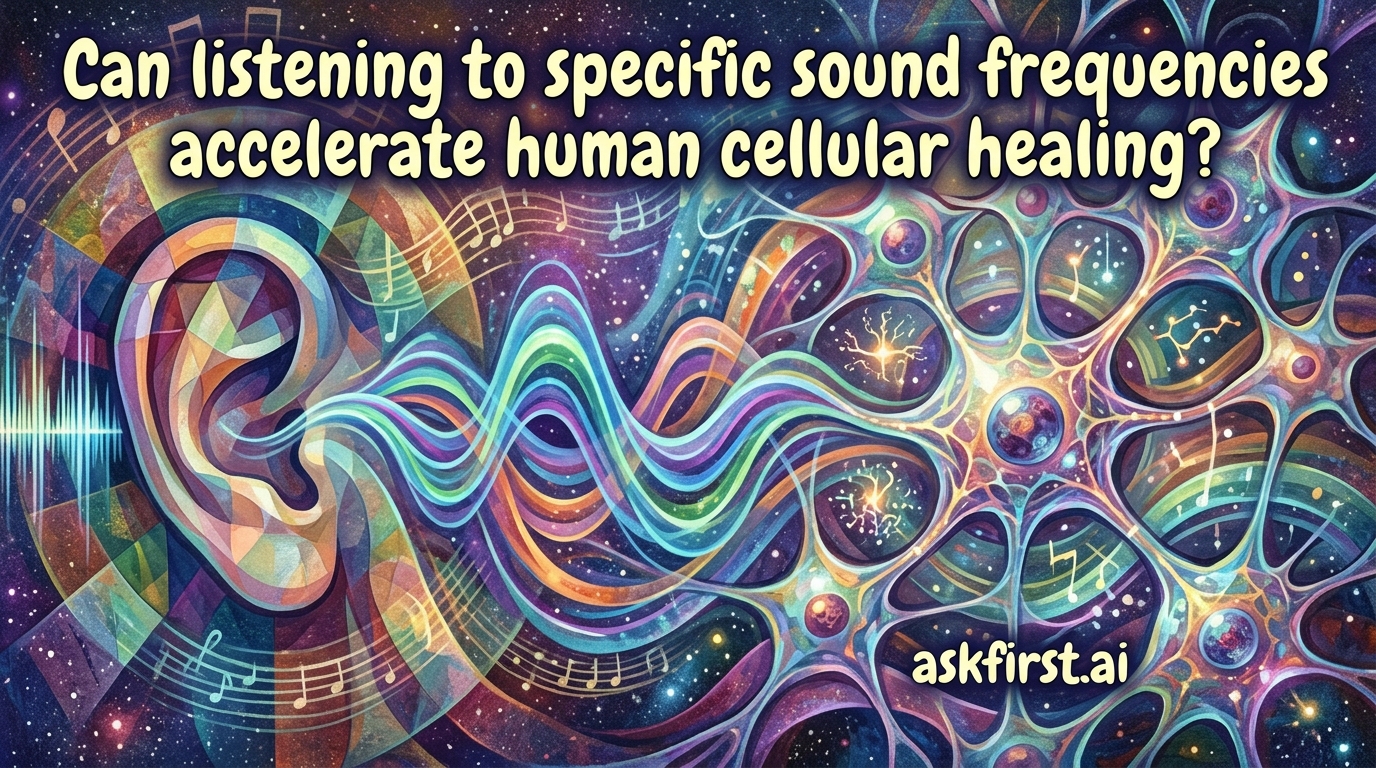
At the core of this phenomenon is mechanotransduction, the process through which cells convert mechanical stimuli into electrochemical activity. Every cell in the human body possesses a cytoskeleton that functions as a structural scaffold. Research indicates that low-frequency vibrations can influence these scaffolds, potentially signaling the cell to modulate its production of healing proteins or shift from a dormant state to an active repair mode.
Frequencies of Interest and Their Proposed Effects
While mainstream medicine remains cautious, laboratory studies on fibroblasts—the cells responsible for connective tissue—have shown intriguing reactions to external vibrations:
- Low-Frequency Sine Waves (20Hz to 100Hz): These frequencies are often linked to improved blood flow. By increasing localized micro-circulation, oxygen delivery to damaged tissue is enhanced, potentially accelerating the proliferation of healthy cells.
- 432 Hz and 528 Hz: Often cited in therapeutic literature, these specific frequencies are studied for their potential to reduce cortisol levels. When the body is in a parasympathetic "rest and digest" state, the cellular resources typically diverted to fight-or-flight stress responses can be redirected toward tissue maintenance and mitochondrial energy production.
The Role of Mitochondrial Resonance
Recent inquiries into "mitochondrial resonance" suggest that if an external sound wave matches the resonant frequency of a cell's components, it might enhance the efficiency of ATP (adenosine triphosphate) production. ATP is the energy currency of the cell. If a specific frequency can stimulate even a marginal increase in ATP synthesis, the biological rate of tissue regeneration could theoretically increase, aiding recovery from minor inflammatory markers.
Current Limitations and Future Horizons
It is vital to distinguish between relaxation-based sound therapy and direct therapeutic intervention. While music can lower blood pressure and improve mental wellness—which indirectly supports the immune system—there is currently no "magic frequency" that functions as a replacement for clinical wound care. Scientific rigor requires larger, peer-reviewed longitudinal studies to isolate the precise variables at play.
Conclusion
Sound-based healing represents a burgeoning frontier that bridges the gap between bio-acoustics and regenerative biology. While current evidence highlights the psychological and systemic benefits of sonic vibration, the prospect of targeted frequency-based cellular repair remains an exciting area for future medicine, promising a deeper understanding of how our bodies respond to the invisible architecture of sound.