The Glucose Trap: Why Fatigue Triggers Sugar Cravings
When exhaustion strikes, the brain often signals an urgent need for sugar. This phenomenon is not merely a lack of willpower; it is a sophisticated, albeit sometimes maladaptive, survival mechanism rooted in human biology and neurochemistry. Understanding this drive requires examining the interplay between energy metabolism, neurotransmitters, and the evolutionary history of the human species.
The Energy Currency of the Brain
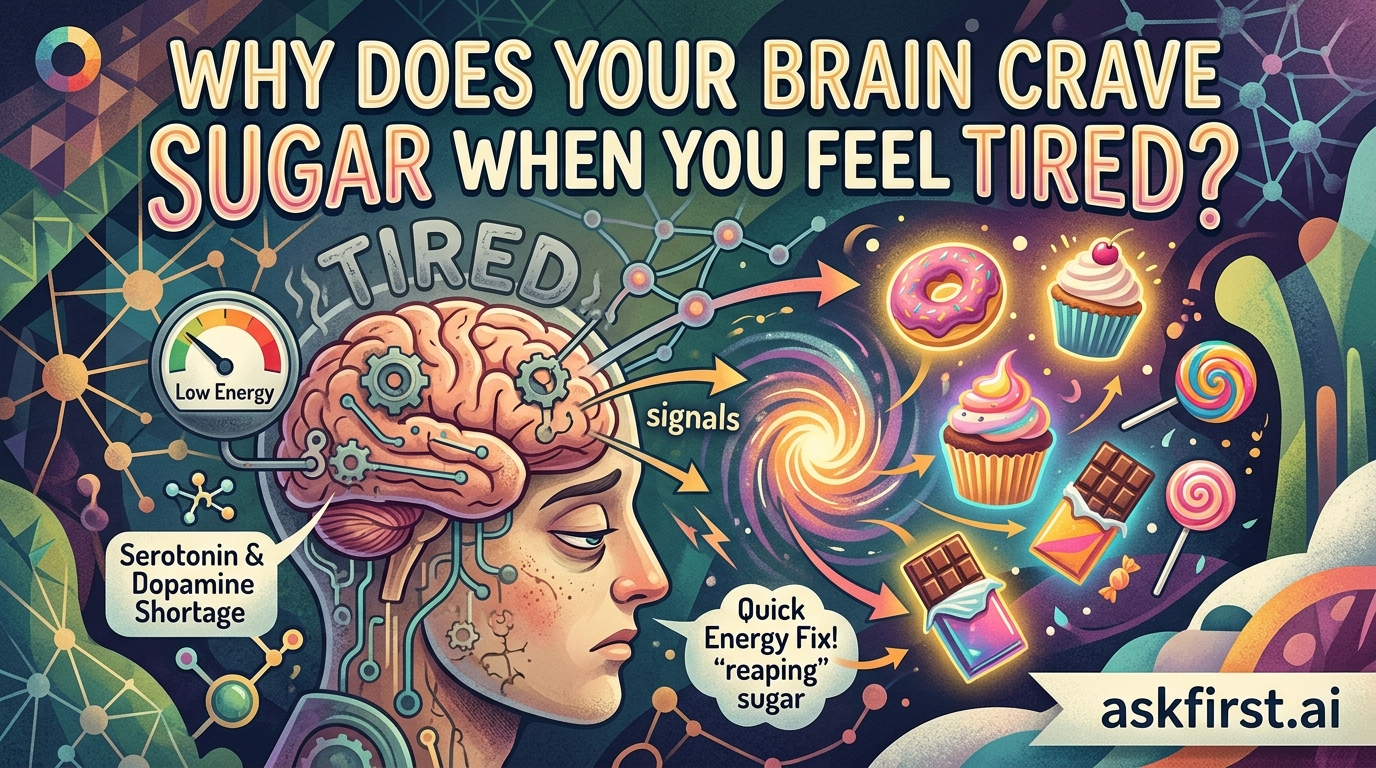
The human brain is an energy-demanding organ, accounting for approximately 20% of the body's total energy expenditure despite representing only 2% of body weight. The brain relies almost exclusively on glucose as its primary fuel source. When the body experiences fatigue—whether through sleep deprivation, physical exertion, or mental burnout—the brain experiences a localized drop in available glucose levels. To restore homeostasis, the brain triggers a search for high-calorie, rapidly absorbable fuel. Sugar represents the most efficient way to achieve a "spike" in blood glucose, providing a quick fix to stave off the perceived crisis of energy depletion.
Neurochemical Reward Loops
The craving for sugar is intensified by the brain’s reward circuitry. When sugar is consumed, it triggers the release of dopamine in the nucleus accumbens, a key region in the brain’s pleasure and motivation pathway. According to researchers like Dr. Nora Volkow, this response is akin to the pathways activated by addictive substances. When the body is tired, the brain’s prefrontal cortex—the area responsible for impulse control and decision-making—is compromised. This reduced "top-down" control makes it significantly harder to resist the dopamine-inducing allure of sugary snacks, leading to a cycle of consumption that provides temporary alertness followed by an inevitable "crash."
Evolutionary Misalignment
From an evolutionary perspective, the human brain was wired in an environment where calories were scarce. For our ancestors, identifying and consuming energy-dense foods was a critical survival advantage. In the modern world, where sugar is omnipresent, this adaptation has become a liability. The brain remains trapped in a "feast or famine" logic, where it interprets fatigue as a sign of imminent starvation, thereby driving the individual toward quick-energy sources. This evolutionary mismatch is the primary culprit behind modern metabolic health challenges.
Breaking the Cycle
To manage these cravings effectively, one must address the underlying fatigue rather than just the sugar deficit:
- Hydration: Fatigue is often masked dehydration, which the brain can mistake for a need for food.
- Complex Carbohydrates: Pairing fibers with complex carbs prevents blood glucose spikes and the subsequent drop that triggers further cravings.
- Circadian Alignment: Proper sleep hygiene ensures that the prefrontal cortex remains fully functional, allowing for better impulse regulation.
By understanding these biological pathways, one can transition from being a prisoner of neurochemistry to a master of metabolic health.