The Chemistry of Attraction: Is Your Heart Controlled by Molecules?
Human romantic attraction is often romanticized as an ethereal, mystical connection, yet the underlying mechanisms are deeply rooted in biological processes. While individual experience feels spontaneous, neuroscience suggests that a sophisticated symphony of neurochemicals and hormonal shifts heavily influences who individuals find desirable. This phenomenon is not mere coincidence but an evolutionary imperative driven by the brain's internal reward systems.
The Neurochemical Triad of Attraction
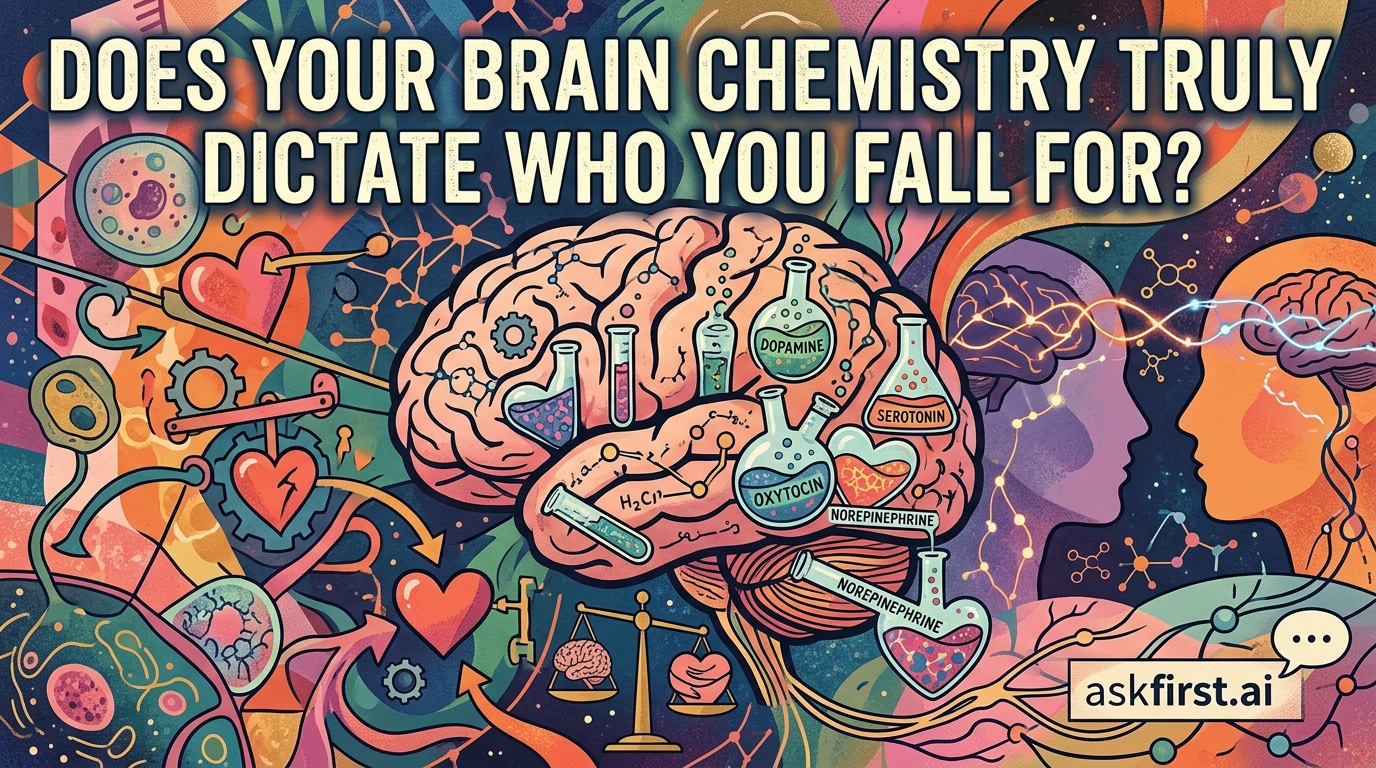
The brain utilizes a powerful trio of neurotransmitters to navigate the selection process. When a person meets someone who triggers romantic interest, the brain often responds with an surge of dopamine. This chemical acts as the central player in the brain’s reward circuitry, driving motivation, craving, and hyper-focus on the individual. It is responsible for the exhilarating feeling of new attraction, functioning similarly to how the brain responds to addictive substances.
Simultaneously, norepinephrine triggers the physical symptoms of the “spark.” It increases heart rate, creates a sense of alertness, and promotes a state of high energy. This ensures that the individual remains focused on the potential partner. Finally, serotonin levels often dip during the early stages of infatuation, which may explain the obsessive, intrusive thoughts common in early relationships, as this dip mirrors the patterns observed in obsessive-compulsive disorders.
The Role of Pheromones and Histocompatibility
Beyond internal chemistry, the brain is constantly scanning for compatibility at a molecular level. Research into the Major Histocompatibility Complex (MHC)—a set of genes related to the immune system—suggests that humans are often subconsciously attracted to individuals with immune systems that are different from their own. This biological preference may exist to ensure that offspring inherit a more diverse immune profile, thereby increasing survival rates. Humans detect these signals through subtle olfactory cues known as pheromones, which the brain processes without conscious awareness.
Attachment and Oxytocin
While dopamine handles the initial “crush,” the long-term maintenance of a bond is governed by oxytocin and vasopressin. Often referred to as the “cuddle hormone,” oxytocin promotes bonding and deep attachment during intimate physical contact. Once the initial fever of dopamine subsides, the brain transitions toward these stabilizing chemicals to create a lasting connection. This shift is essential for pair-bonding, ensuring that individuals remain together long enough to raise offspring or build shared lives.
Conclusion: Determinism or Choice?
While brain chemistry significantly biases attraction, it does not dictate it in a vacuum. Human choice remains an influential factor. External variables like social upbringing, personal values, and cognitive assessment allow individuals to override biological impulses. While chemistry initiates and facilitates the process, the conscious mind provides the final decision, making romantic attraction a complex interplay between ancient biological imperatives and modern human agency.