The Hidden Architecture of Consumption: How Symbols Control Your Cart
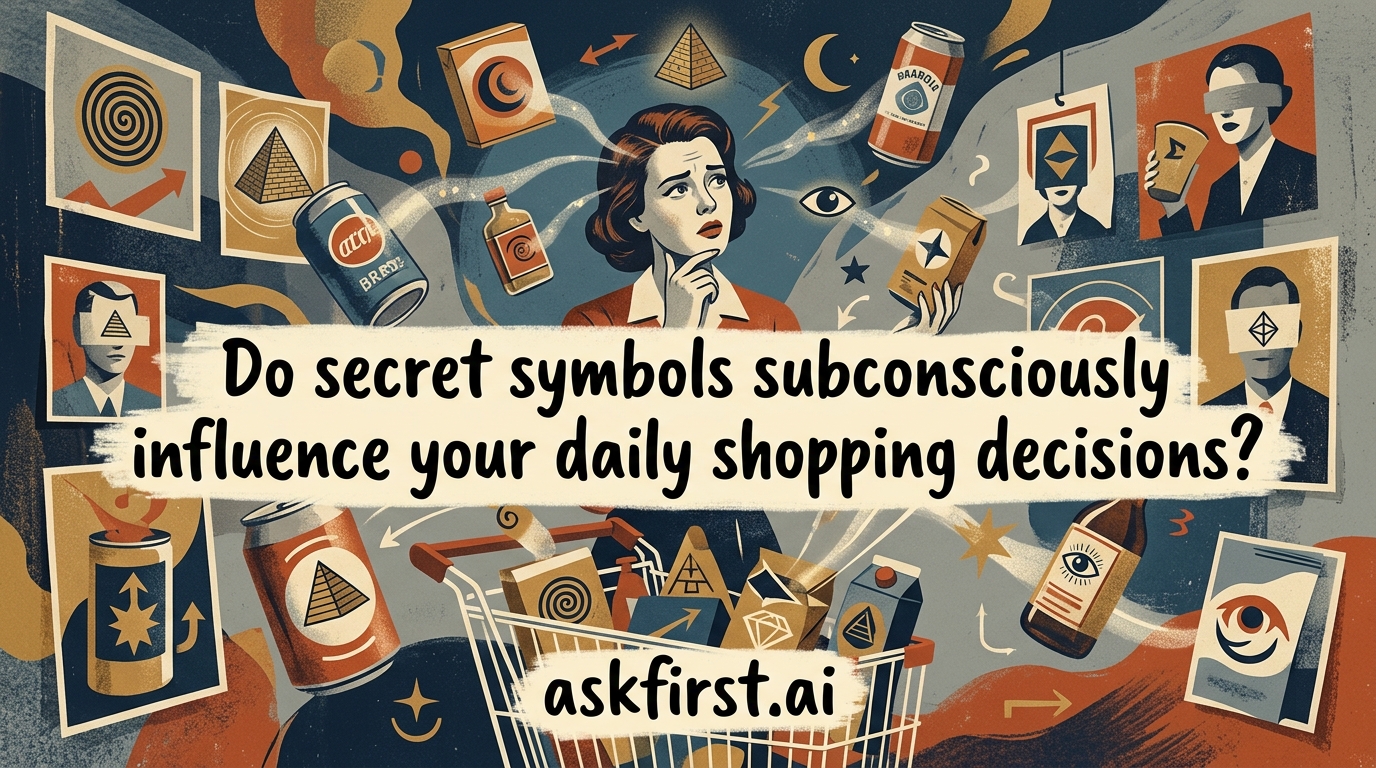
Modern commerce relies on a sophisticated silent language that functions below the threshold of conscious awareness. This psychological phenomenon, often described as 'neuromarketing,' leverages archetypal imagery and semiotics to bypass rational thought, appealing directly to the primitive brain. Consumers frequently believe they make choices based on price or utility, yet data suggests that visual symbols serve as primary decision drivers.
The Power of Geometric Primacy
Shapes convey universal psychological messages. Research in cognitive psychology indicates that rounded shapes are associated with softness, safety, and inclusivity, which is why major food brands frequently utilize circular logos to evoke feelings of comfort. Conversely, angular shapes, such as triangles or sharp-edged fonts, are processed by the human brain as indicators of dynamic action, efficiency, or premium status. Brands selling technology or luxury vehicles often adopt these aggressive, angular aesthetics to signify speed and dominance.
Color Semantics and Archetypal Triggers
Color acts as a shortcut for the brain. The human visual system interprets specific hues as evolutionary signals:
- Red: Stimulates physical urgency and hunger. Fast-food giants use red to catalyze immediate physiological hunger responses.
- Blue: Cultivates trust and stability. Financial institutions and tech conglomerates favor blue to establish a sense of institutional longevity and safety.
- Gold/Metallic tones: Tap into historical associations with scarcity and power, nudging consumers toward higher-tier product versions under the guise of prestige.
The Role of Hidden Semiotics
Beyond geometry and color, brands weave cultural motifs into packaging. Semiotics, the study of signs and symbols, highlights how corporations embed social status markers into product design. A minimalist design aesthetic is often interpreted subconsciously as 'high-end' or 'sophisticated,' a phenomenon rooted in the association of simplicity with clean, high-status environments. When a product removes excessive text and focuses on a singular, abstract icon, the brain frequently categorizes that item as more expensive and reliable, even without objective evidence of superior performance.
Bypassing the Rational Guard
Neuromarketing experiments, including fMRI scans, reveal that when shoppers are exposed to familiar symbols, the prefrontal cortex—responsible for critical thinking—shows decreased activity compared to the activation of the limbic system, the seat of emotion and habit. This bypass allows brands to build 'brand resonance,' where the sight of a specific, non-verbal logo triggers a reflexive desire to purchase. The subconscious mind aggregates thousands of impressions over a lifetime, creating a mental database of symbols that dictate shopping behaviors long before a product is physically held.
By understanding this visual language, consumers can reclaim their autonomy. Recognizing that a label's font choice or the curve of a logo is designed to trigger specific emotional states allows for more objective purchasing decisions. Ultimately, the marketplace is a battleground of symbols, and those who decode the imagery are better equipped to navigate the influence of the modern retail environment.