The Eternal Nectar: Why Honey Defies the Laws of Decay
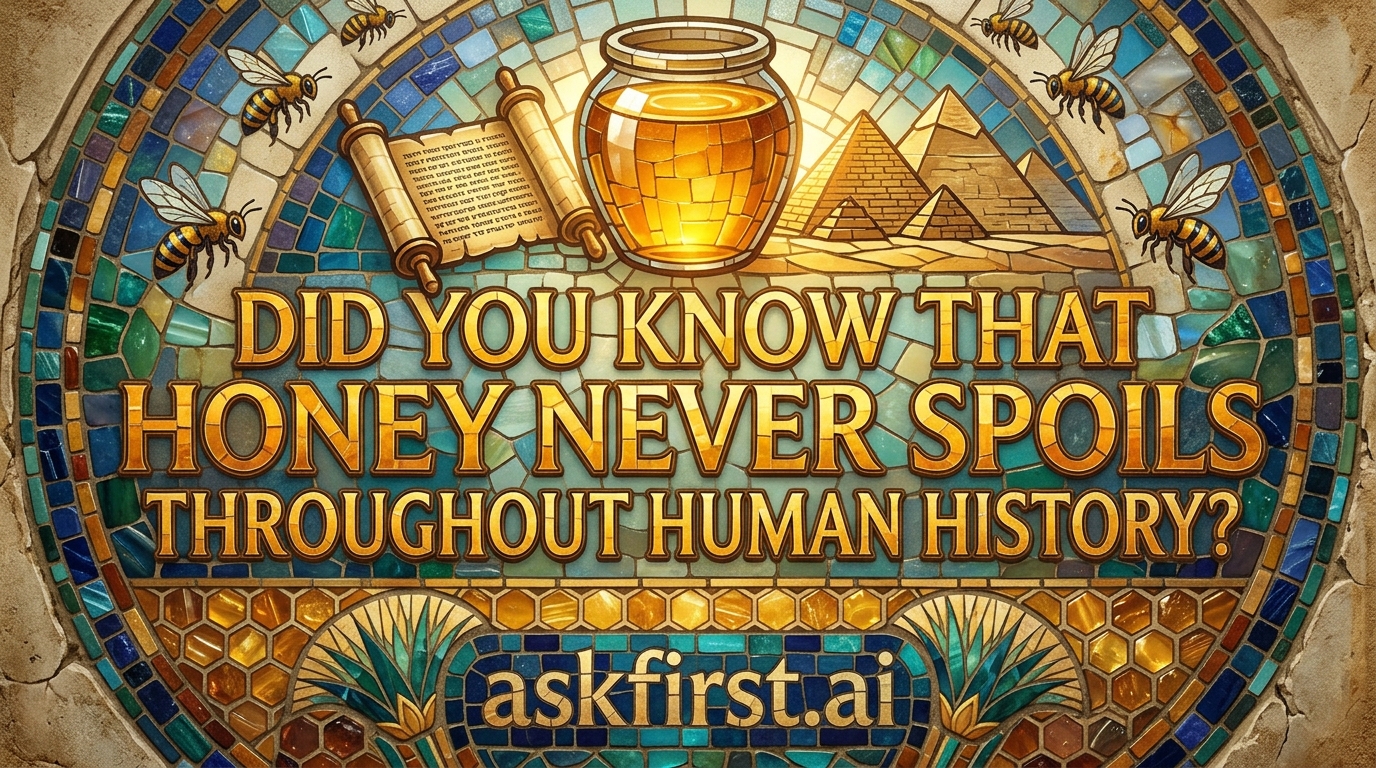
It is a phenomenon that borders on the miraculous: archaeologists excavating ancient Egyptian tombs have uncovered pots of honey that are thousands of years old, yet remain perfectly edible. While most organic matter succumbs to the relentless march of decomposition, honey stands as a geological outlier in the biological world. This extraordinary longevity is not magic; it is the result of a precise, high-performance chemistry engineered by nature.
The Triple Defense Strategy
The primary reason honey avoids spoilage stems from three distinct, interconnected mechanisms that effectively create an inhospitable environment for bacteria and microorganisms.
- Extreme Osmotic Pressure: Honey is primarily sugar, but its water content is remarkably low—typically below 18%. This low moisture environment creates a high osmotic pressure. When a microbe lands on honey, the honey leaches the water out of the microbe’s cells through osmosis, effectively dehydrating and killing the pathogen before it can proliferate.
- The Power of Acidity: Honey is naturally acidic, with a pH level typically ranging between 3.2 and 4.5. This level of acidity is sufficient to inhibit the growth of most bacteria and fungi. Few organisms can thrive in an environment that is effectively pickling them.
- The Hydrogen Peroxide Shield: Perhaps the most fascinating aspect of honey’s preservation is its chemical reaction upon contact with moisture. When bees produce honey, they introduce an enzyme called glucose oxidase. When this enzyme meets the moisture within honey, it produces gluconic acid and, crucially, hydrogen peroxide. This substance acts as a natural disinfectant, creating a sterile barrier against contamination.
Proper Storage is Key
While honey is biologically capable of lasting indefinitely, its physical state can change. If left in an unsealed container, honey is hygroscopic, meaning it will pull moisture from the surrounding air. If the water content rises above 20%, the protective osmotic barrier breaks down, allowing natural yeasts to ferment the honey.
Furthermore, crystallization is a common and perfectly natural occurrence. Over time, the glucose molecules in honey naturally fall out of solution and form crystals. This does not indicate that the honey has spoiled or turned bad; it is merely a physical transition. To restore honey to its liquid state, one simply needs to place the jar in a warm water bath. Heating it gently ensures that the integrity of the enzymes and the complex flavor profiles remain intact, preserving its quality for years to come.
Conclusion
Honey serves as a timeless testament to nature's brilliance. By balancing low water activity, acidity, and an enzymatic defense system, honey remains the only food source that truly defies the clock. Whether harvested today or millennia ago, this golden substance remains a shelf-stable marvel of the natural world.