The Wood Wide Web: Unveiling the Hidden Intelligence of Forests
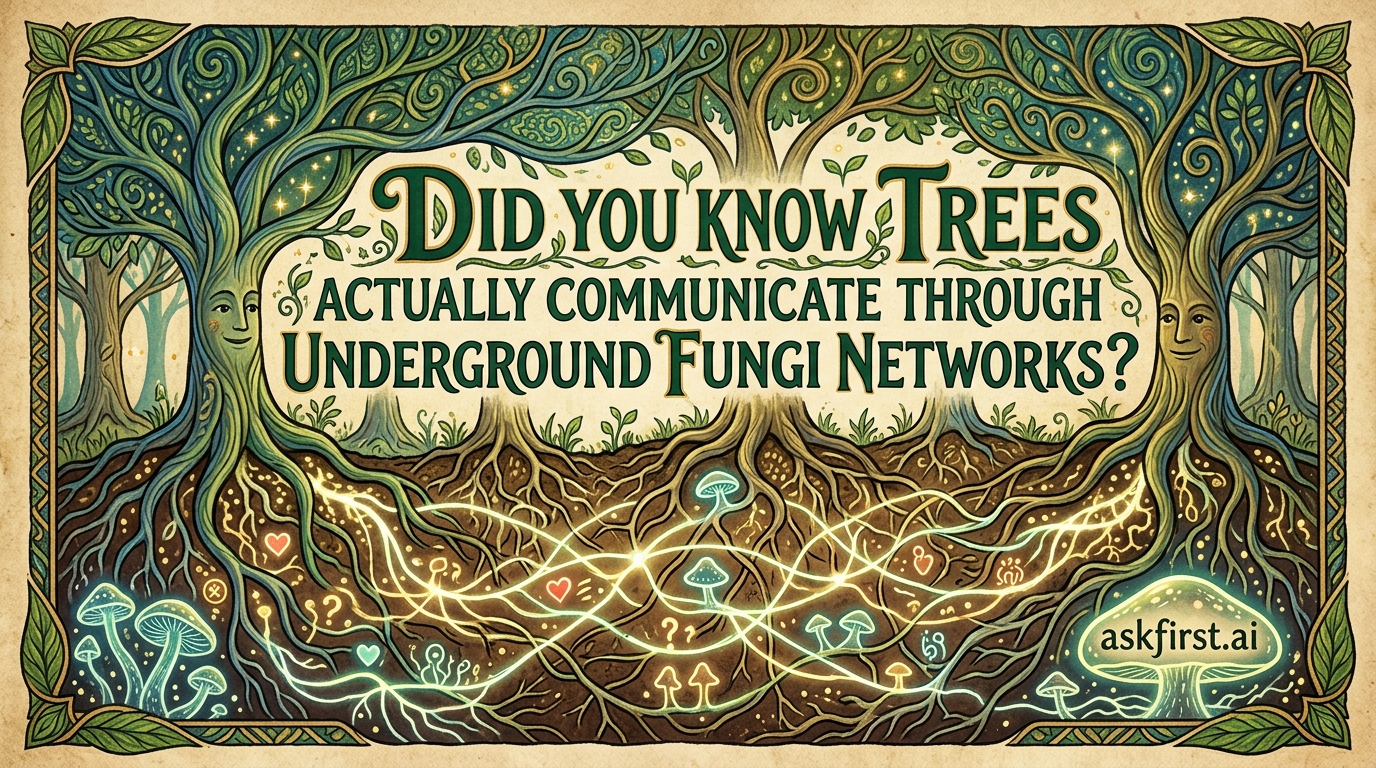
Beneath the quiet majesty of a forest floor lies a bustling, complex information superhighway known as the mycorrhizal network. Far from being passive organisms, trees engage in sophisticated social interactions using a symbiotic relationship with subterranean fungi. This intricate web, often colloquially termed the "Wood Wide Web," fundamentally transforms the understanding of forest ecology and individual plant survival.
The Mechanism: Symbiosis at Scale
The foundation of this communication lies in mycorrhizae, which are specialized fungal threads called hyphae that attach to tree roots. This relationship is mutually beneficial: the trees provide the fungi with essential sugars produced through photosynthesis, while the fungi reach into microscopic soil crevices to extract water, phosphorus, and nitrogen to deliver back to the host tree.
However, these fungal threads go further. They connect individual trees, even those of different species, into a shared infrastructure that facilitates the transfer of resources and data. Researchers such as Dr. Suzanne Simard have demonstrated that this is not merely accidental but an active system of biological cooperation.
Key Functions of the Underground Network
- Resource Redistribution: Older, larger trees—often called "Mother Trees"—act as central hubs. They use the network to send surplus sugar to shaded seedlings struggling to survive in the understory, significantly increasing the survival rates of the next generation.
- Chemical Alert Systems: If a tree is attacked by aphids or beetles, it releases chemical signals into the fungal network. Neighboring trees receive these messages and preemptively increase their production of defensive enzymes or toxic compounds, effectively "vaccinating" the forest against impending pest outbreaks.
- Species Cooperation: The network does not discriminate based on species. Deciduous and coniferous trees have been observed trading nutrients seasonally, taking advantage of different growth cycles to ensure the stability of the local ecosystem.
Scientific Implications
The discovery of the Wood Wide Web shifts the view of forests from a collection of competing individuals to a singular, cooperative super-organism. This paradigm shift has massive implications for conservation and forestry management. Clearcutting practices that remove large, older trees can inadvertently sever the connectivity of the entire forest, leaving younger trees more vulnerable to climate stress and disease.
Understanding these subterranean pathways reveals that forest health relies on complex social structures rather than simple soil chemistry. By preserving these ancient mycelial connections, human intervention can better mimic natural forest succession, ensuring biodiversity remains resilient against environmental changes. This hidden, pulsating intelligence beneath the soil proves that the natural world possesses layers of sophistication that are only just beginning to be decoded by science.