How Holding Hands with Loved Ones Relieves Pain
The Science of Touch: How Holding Hands Eases Pain
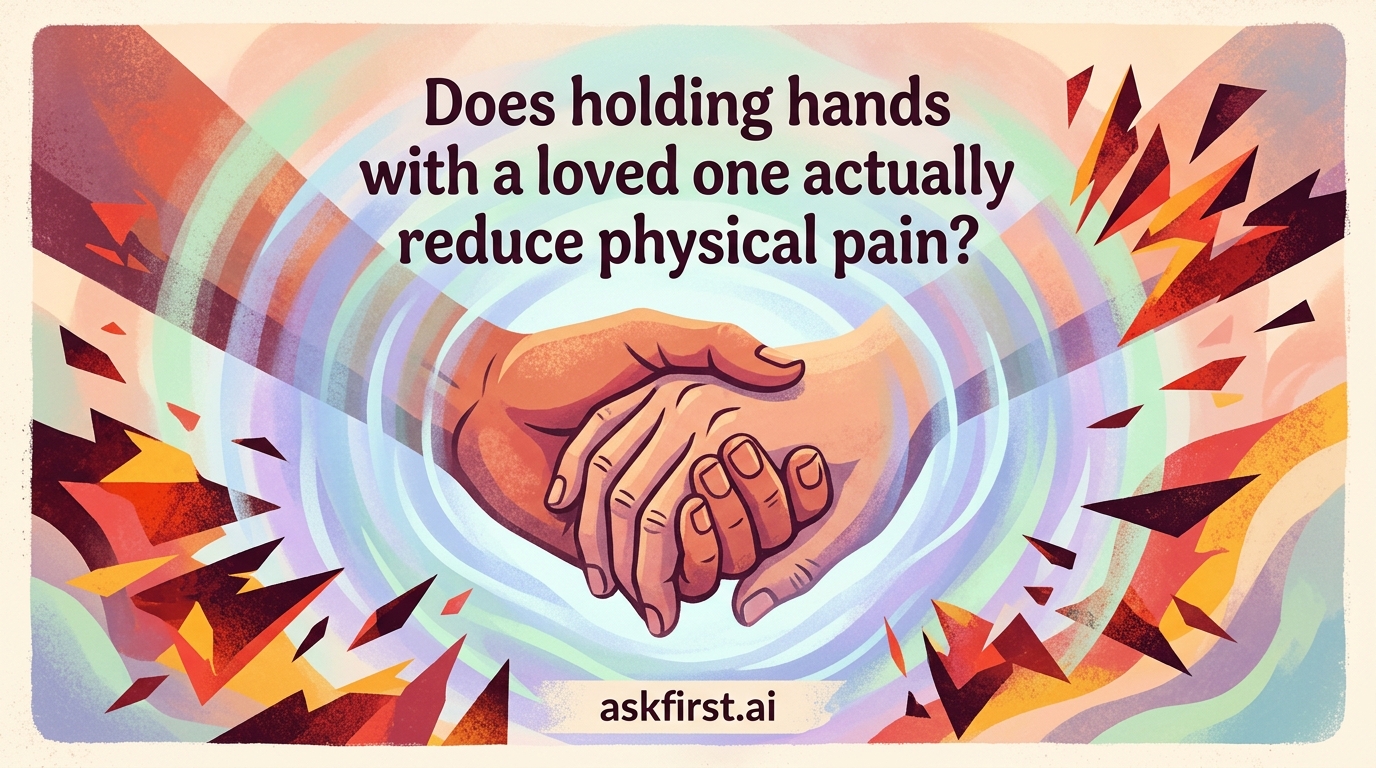
Recent scientific investigations have confirmed a fascinating biological phenomenon: the simple act of holding hands with a romantic partner can significantly dampen the perception of physical pain. This process, often referred to as inter-brain coupling, highlights the profound way human connection influences physiological states.
The Mechanism of Inter-Brain Coupling
Research published in the Proceedings of the National Academy of Sciences reveals that when a partner experiences pain, holding hands leads to a synchronization of brain waves between the two individuals. Specifically, alpha-mu oscillations—associated with social touch and pain inhibition—align across both brains. This neural alignment creates a physiological bridge that reduces the intensity of pain signals sent to the brain's sensory cortex. As the connection strengthens, the "pain-relieving" effect becomes more pronounced.
Why Touch Matters
Human beings are hardwired for connection. From an evolutionary perspective, proximity and tactile interaction serve as signals of safety. When a loved one is present and offering physical contact, the nervous system shifts from a state of "threat detection" to "social engagement." This shift triggers the following:
- Oxytocin Release: Often called the "cuddle hormone," oxytocin is released during physical touch, which is known to lower blood pressure and decrease cortisol levels.
- Heart Rate Synchronization: Partners holding hands often see their respiratory and heart rates converge, fostering a state of autonomic nervous system balance.
- Analgesic Effects: By reducing the body's internal stress response, the threshold for pain tolerance is effectively raised, making the sensation feel less "sharp" or "urgent."
The Role of Empathy
Crucially, the magnitude of pain relief depends on the level of empathy shared between the partners. If a partner is unable to offer support or lacks a deep emotional bond, the neural coupling effect diminishes. The brain essentially acts as a social thermometer; it evaluates the trustworthiness and affection level of the individual providing the touch before deciding whether to dampen the pain response. This suggests that the quality of the relationship is just as important as the physical act of contact itself.
Implications for Modern Wellness
This phenomenon extends beyond mere romantic gestures; it suggests that non-pharmacological interventions are vital in clinical and daily life. While it will not replace medicine for severe trauma, the incorporation of supportive touch in nursing, therapy, and family care provides a powerful, natural tool to manage minor discomforts and psychological distress. Embracing the power of human touch acknowledges that biology is not an isolated system, but one that is inherently intertwined with the presence and compassion of others. Recognizing this link reinforces the idea that we are fundamentally better equipped to handle life's stressors when we are physically and emotionally supported by those we hold dear.