The Neurochemical Power of Sound: Can Music Rewire Your Brain?
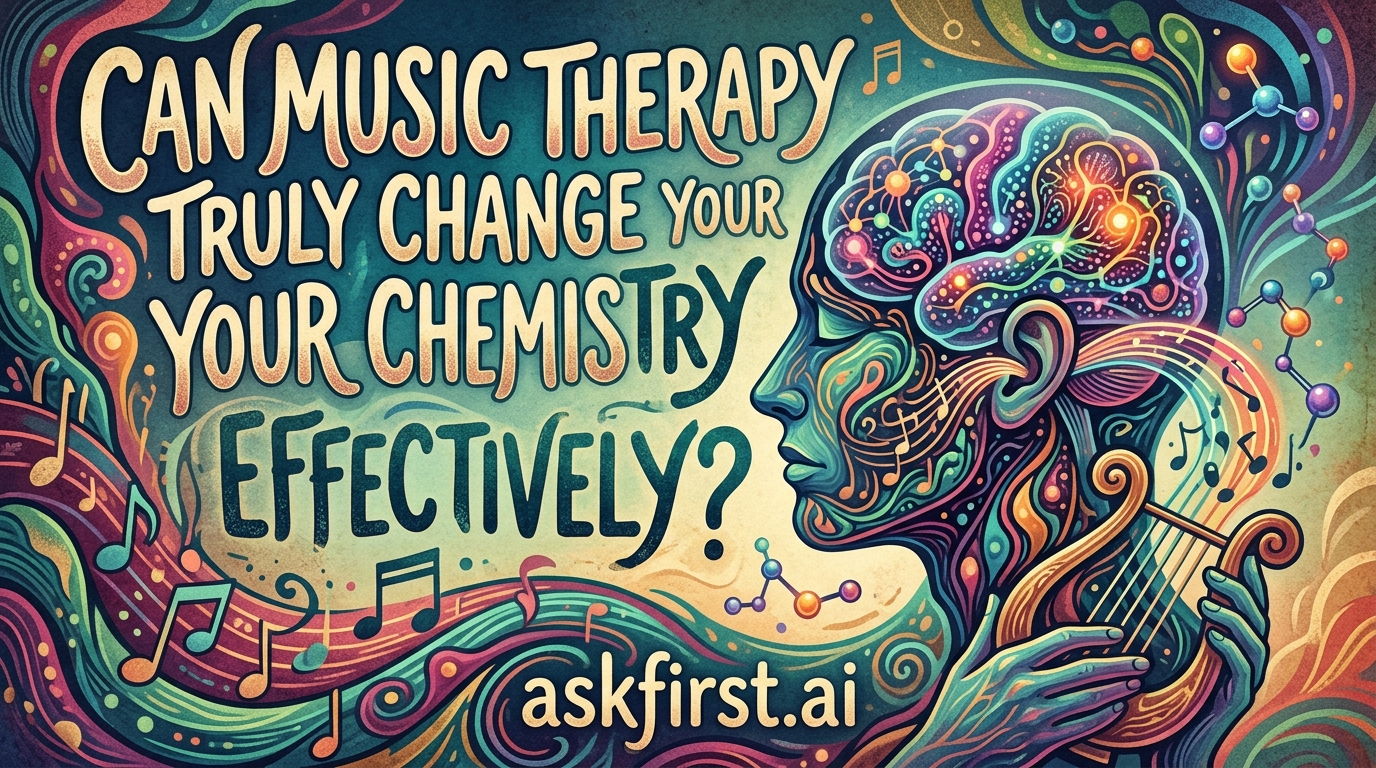
Music is often perceived as a mere backdrop to daily life, yet neuroscientific evidence confirms it is a potent tool capable of fundamentally altering brain chemistry. Engaging with music triggers a cascade of neurochemical reactions that influence mood, cognitive function, and emotional regulation, making music therapy a scientifically grounded discipline rather than an artistic endeavor.
The Neurochemical Symphony
When a human brain processes music, it activates a widespread network involving the auditory cortex, the limbic system, and the motor cortex. Research published in journals like Nature Neuroscience demonstrates that listening to pleasurable music triggers the release of dopamine—the primary neurotransmitter associated with reward and pleasure—in both the caudate and the nucleus accumbens. This release is comparable to the chemical reward experienced through food or exercise.
Beyond dopamine, music therapy effectively regulates other critical chemicals:
- Cortisol Reduction: Structured musical interventions significantly decrease cortisol, the primary hormone responsible for stress. By modulating the hypothalamic-pituitary-adrenal (HPA) axis, music acts as a biological buffer against psychological pressure.
- Oxytocin Synthesis: The hormone oxytocin, often called the "bonding hormone," increases during communal musical experiences, such as group singing or synchronized rhythmic activities. This fosters social cohesion and emotional safety.
- Endorphin Activation: Rhythmic entrainment and active musical engagement stimulate the production of endorphins, which serve as natural analgesics and mood enhancers.
Plasticity and Long-term Change
Music therapy leverages neuroplasticity—the brain’s ability to reorganize itself by forming new neural connections. Regular engagement with therapeutic musical tasks, such as playing an instrument or rhythmic auditory stimulation, can physically change the structure of the brain. Studies indicate that musicians, or those undergoing long-term therapy, show increased white matter integrity and enhanced connectivity between the left and right hemispheres via the corpus callosum. This structural reorganization provides long-term cognitive benefits, including improved verbal memory, executive functioning, and spatial reasoning.
Practical Applications
Music therapy is not limited to passive listening. Clinical interventions often involve:
- Rhythmic Auditory Stimulation (RAS): Used to assist individuals with motor impairments, this technique uses steady pulses to reorganize neural pathways for improved motor control and gait.
- Melodic Intonation Therapy (MIT): This method utilizes the brain’s right-hemisphere singing capacity to help patients recover speech functions after damage to language centers, effectively bypassing traditional damaged routes.
Conclusion
Music is a sophisticated neurobiological catalyst. By tapping into the brain's internal rhythm and reward systems, it effectively reshapes chemical output and physical structure. Music therapy represents a transformative bridge between the auditory senses and biological wellness, offering a non-invasive, powerful approach to enhancing mental and emotional health throughout the human lifespan.