The Truth About Couples Syncing Heartbeats While Sleeping
The Hidden Rhythms: Does Human Physiology Sync During Sleep?
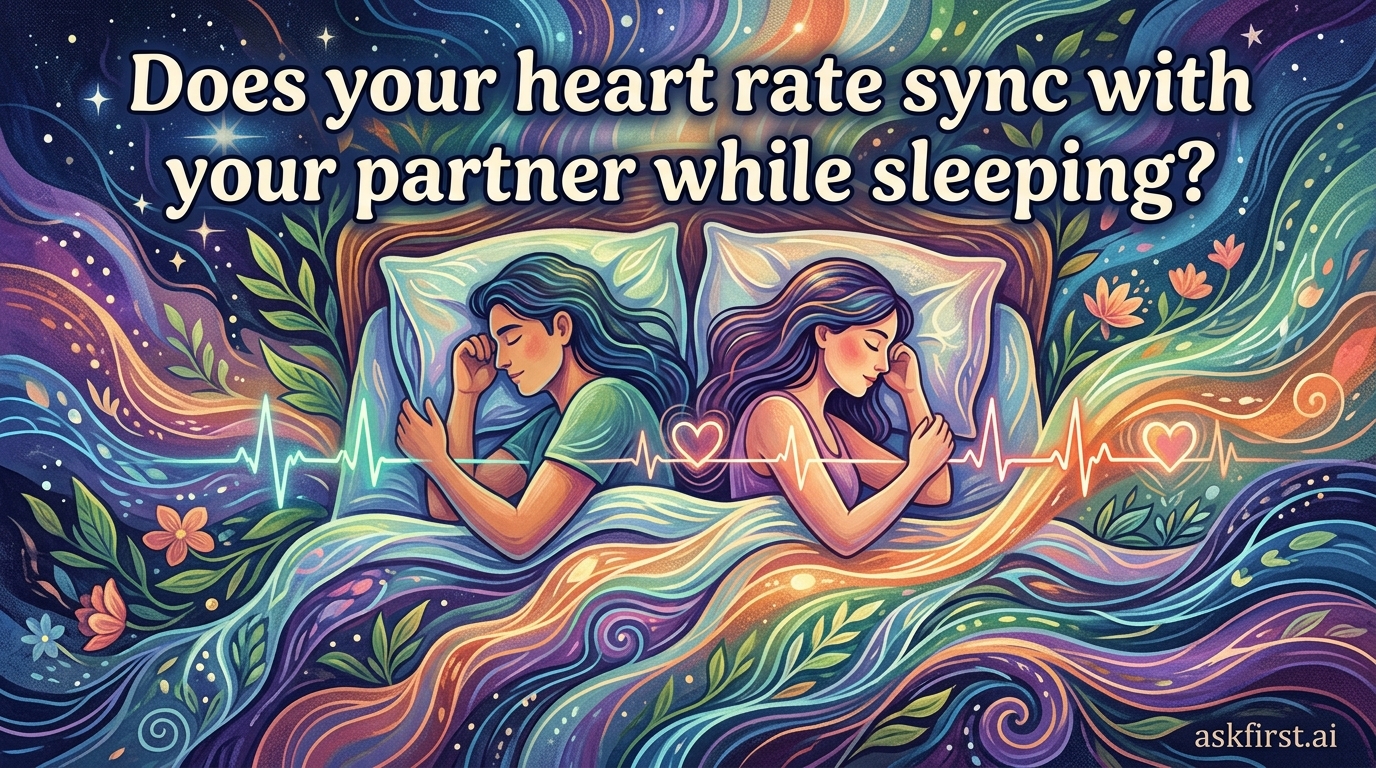
When two individuals share a bed, a fascinating phenomenon occurs that has long captivated scientists: the concept of physiological synchrony. Recent studies in bio-behavioral research suggest that couples often experience a form of "interpersonal physiological coordination." This process involves the alignment of autonomic nervous system responses, including heart rate and respiration, between partners while they sleep. This synchronization is not merely a metaphor for emotional intimacy but a measurable biological event rooted in human evolution.
The Mechanism of Physiological Co-regulation
Research indicates that humans are inherently social creatures who use the proximity of others to regulate their own nervous systems. During sleep, this co-regulation manifests as a shared temporal rhythm. While you might assume heart rates remain entirely independent based on individual fitness levels and body mass, evidence shows that couples who report high levels of relationship satisfaction exhibit closer heart rate coupling. This is often mediated by the "tend-and-befriend" stress response, where physical closeness triggers the release of oxytocin, a neuropeptide known to modulate autonomic arousal and promote relaxation.
Scientific Evidence and Sleep Stages
Data gathered from polysomnography (a sleep study) reveals that this phenomenon is most pronounced during the lighter stages of sleep rather than deep REM cycles. Researchers have observed that if one partner shifts their breathing pattern or experiences a slight autonomic disturbance, the other partner's heart rate often mirrors those subtle fluctuations within a short window of time.
- Oxytocin Impact: Elevated levels of oxytocin decrease heart rate and reduce cortisol levels, fostering a shared "bio-rhythm."
- Environmental Factors: Consistent sleeping positions and shared circadian cues reinforce the tendency for autonomic alignment.
- Emotional Feedback Loops: Studies suggest that secure attachment styles correlate with higher degrees of physiological mirroring compared to insecure styles.
Is It True Synchronization?
It is important to distinguish between "true synchronization" and "mutual environment response." While partners may influence one another, much of the observed heart rate alignment occurs because both individuals are subjected to identical ambient temperatures, noise levels, and room light cycles. However, even when controlling for environmental variables, significant correlations remain that experts attribute to social attachment. The presence of a trusted partner acts as a psychological buffer, signaling safety to the brain, which allows the autonomic nervous system to down-regulate and synchronize with the other person. In essence, the human body perceives a sleeping partner as a stable external regulator, making the heart more susceptible to mirroring the rhythms of the person lying next to it. Understanding these hidden biological links highlights the profound impact that physical presence has on human physiology.