Resurrecting Scents: The Science of Fragrant Time Travel
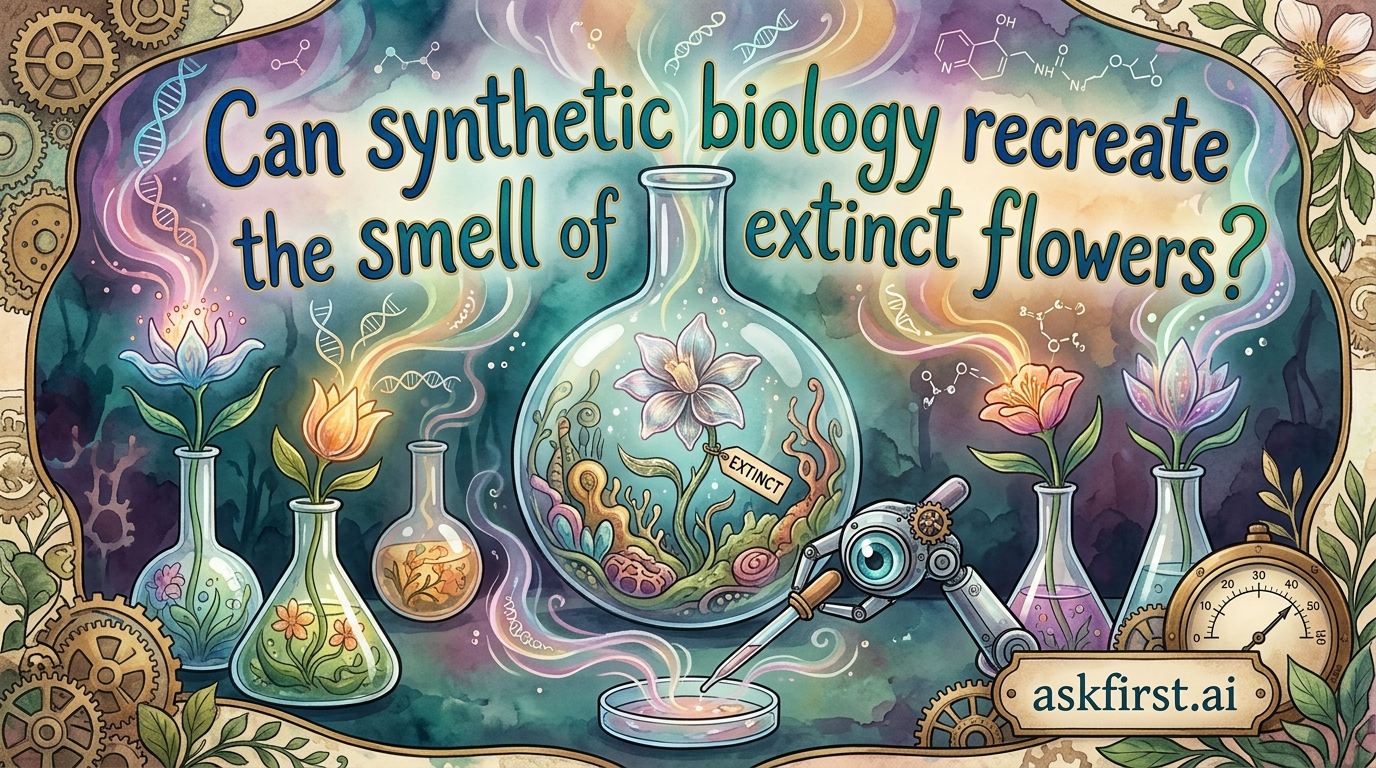
Synthetic biology has moved beyond merely modifying crops; it is now entering the realm of olfactory reconstruction. By leveraging advanced genetic sequencing and metabolic engineering, scientists are increasingly capable of recreating the chemical signatures of extinct flowers. This field, often referred to as "de-extinction of scents," relies on the study of historical botanical specimens and the identification of genetic pathways responsible for aroma production.
The Genetic Blueprint of Aroma
Plants synthesize volatile organic compounds (VOCs) through complex biochemical pathways. When a flower goes extinct, its genetic data is typically preserved within herbarium samples—dried, pressed specimens collected by botanists over centuries. While these samples are not alive, researchers can extract degraded DNA or RNA fragments. By reconstructing these sequences, scientists identify the specific enzymes and genes that catalyzed the production of terpenoids, esters, and alcohols—the molecules that define a flower’s unique fragrance profile.
Technological Hurdles and Solutions
Recreating a scent is not as simple as reading a genome. The process involves several sophisticated steps:
- Genetic Assembly: Scientists use CRISPR and synthetic gene synthesis to recreate the biosynthetic pathways of extinct species.
- Host Transformation: These synthetic genes are inserted into modern model organisms, such as Saccharomyces cerevisiae (yeast) or Arabidopsis thaliana.
- Metabolic Engineering: By "tuning" the metabolic flux within the host organism, researchers force the plant or yeast to pump out the specific volatile compounds identified in the extinct plant.
For instance, researchers working on the Hawaiian silversword or various lost cultivars of the Victorian era have successfully mapped the chemical "fingerprint" of these plants. Once the specific genes are identified, yeast cultures act as microscopic factories, converting simple sugars into the complex perfume profiles of ancestors long absent from our gardens.
The Role of Chemosensory Mapping
To verify the accuracy of the reconstructed scent, experts use Gas Chromatography-Mass Spectrometry (GC-MS). By analyzing the headspace of historical samples and comparing the chemical ratios to those produced by the synthetic organisms, they can fine-tune the output until it matches the floral profile with startling precision. This process essentially turns a museum specimen into a biological archive, unlocking sensory information that was previously thought to be lost to history.
Ultimately, this technology serves as a bridge between preservation and innovation. By decoding the "perfume DNA" of extinct life, humanity gains a deeper understanding of how pollinators co-evolved with plants, and how ecosystems functioned before biodiversity loss reshaped the world. The ability to smell a flower that vanished centuries ago is more than a parlor trick; it is a profound testament to the power of synthetic biology to recover the intangible remnants of our natural history.