The Sonic Time Machine: Why Music Triggers Physical Memories
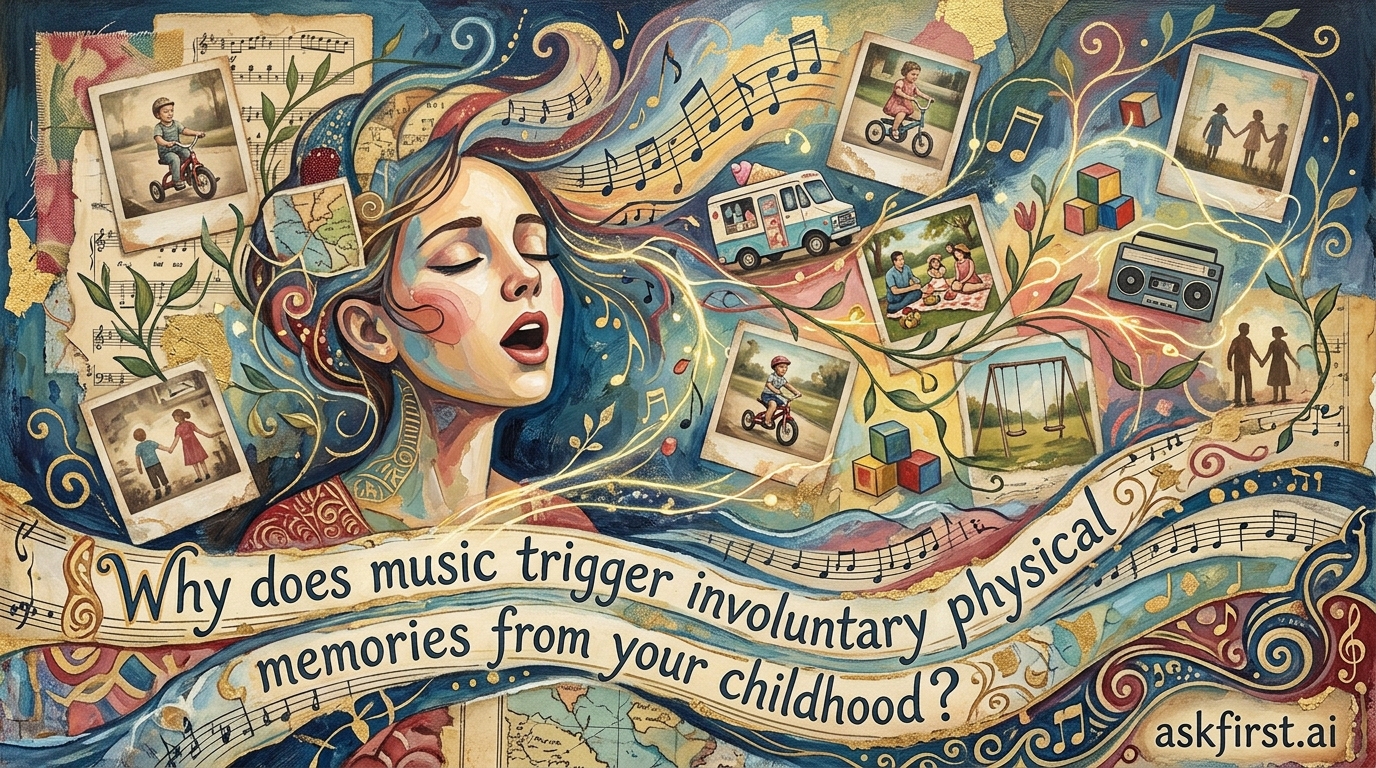
Music possesses a unique, almost supernatural ability to transport individuals back to specific moments in their past, often triggering intense physical sensations and involuntary emotional responses. This phenomenon is rooted in the complex architecture of the human brain, where the auditory cortex, the limbic system, and the motor cortex become intricately intertwined through sensory experience.
The Role of the Hippocampus and Amygdala
When sound waves reach the ear and are processed by the brain, they do not just stay in the auditory center. Music serves as a potent catalyst for the limbic system, particularly the hippocampus and the amygdala. The hippocampus is responsible for indexing memories, while the amygdala processes emotions. Because music is often present during significant formative events, the brain creates a robust neural association between the melody, the emotional state, and the physical environment. When the same music is heard later, this pathway is reactivated, pulling forth the memory with heightened vividness.
Why Physical Sensations Occur
Unlike visual memories, which are often recalled cognitively, musical memories frequently manifest physically through a process known as "embodied cognition." Research suggests that the brain maps the physical states associated with the initial memory—such as the rhythm of a heartbeat, a specific gait, or the tension in muscles—directly onto the neural representations of the melody. Consequently, the brain reconstructs not just the facts of a scene, but the physical orientation of the body at that moment. This is why a specific chord progression might induce a sudden shiver, a racing pulse, or a feeling of weightlessness associated with childhood experiences.
The REM-Oscillation Connection
Neuroscientific studies indicate that the prefrontal cortex stays active during musical recognition, which helps bridge the gap between abstract memories and concrete physical awareness. This cross-sensory activation is intensified because musical encoding occurs across multiple hemispheres. The rhythm, pitch, and timbre engage the motor cortex, which controls movement, meaning that the neural signature of a song is effectively "encoded" alongside the kinetic movements one was performing at the time. Essentially, the body remembers what the mind has moved past.
Practical Implications
This neurological mechanism serves as a vital tool in therapeutic environments, particularly for individuals experiencing cognitive decline. Music-based reminiscence therapy leverages these involuntary physical pathways to ground individuals in their identity and history. By stimulating the sensory pathways through familiar compositions, clinicians can observe patients reconnecting with physical patterns of behavior they believed were long lost to time. Music is therefore more than an artistic medium; it is a fundamental hardware key to the human internal archive, ensuring that our sensory history remains accessible, visceral, and profoundly alive within the structure of our nervous system.