The Science of Longevity: Why Running Is Considered a Lifesaving Habit
The perception that running saves lives is not merely anecdotal; it is grounded in decades of robust longitudinal research, physiological data, and public health statistics. Running is classified as a high-intensity aerobic exercise that systematically improves the functional capacity of the human cardiovascular and metabolic systems.
The Physiological Mechanism of Longevity
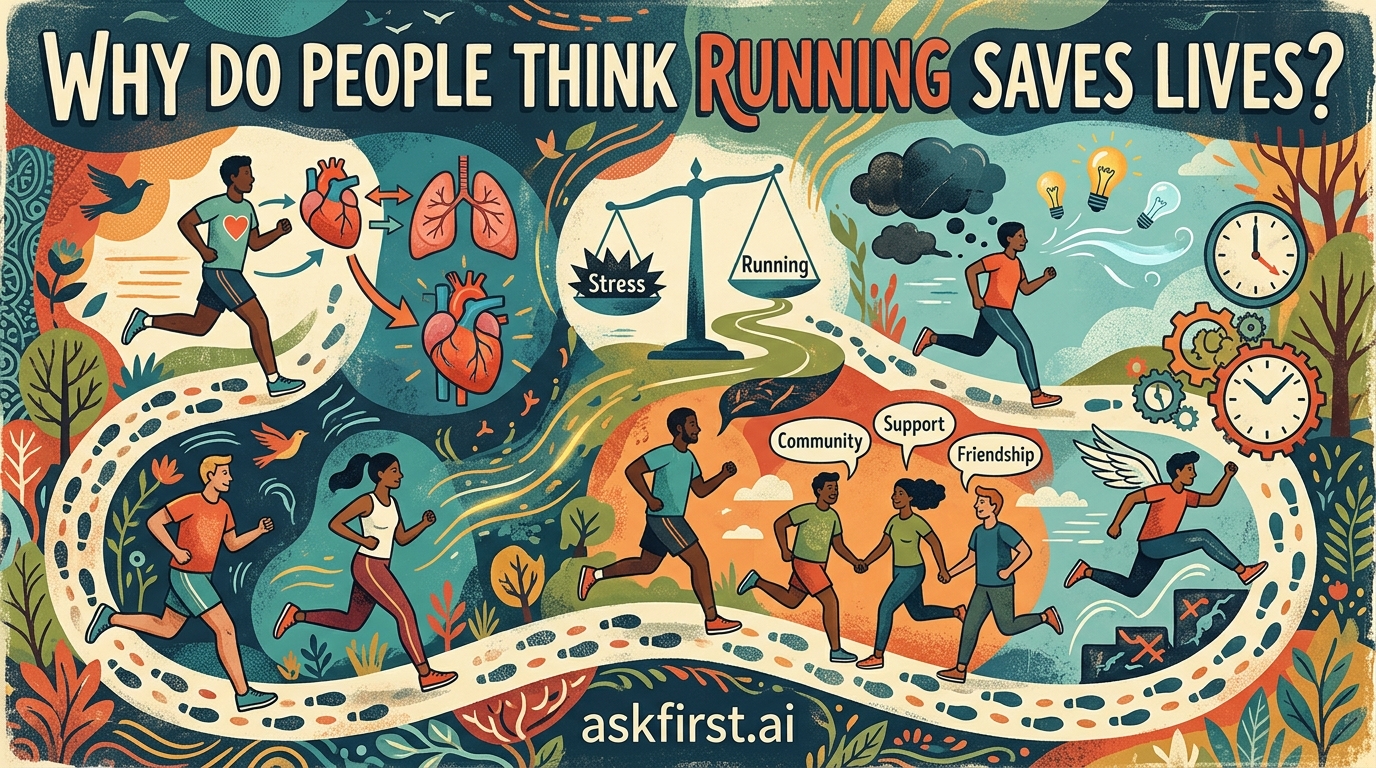
At its core, running acts as a systemic stressor that forces the body to adapt. When an individual runs, the heart muscle strengthens, increasing stroke volume—the amount of blood pumped per beat. Over time, this leads to a lower resting heart rate and improved blood pressure regulation.
- Cardiovascular Health: Running significantly reduces the risk of coronary heart disease. It helps clear arterial plaque and increases HDL (good) cholesterol levels.
- Metabolic Regulation: Running enhances insulin sensitivity, which is vital in preventing Type 2 diabetes. By burning glucose and fatty acids, runners maintain healthier body mass indices (BMI), reducing the strain on vital organs.
- Neuroplasticity: Emerging research suggests running stimulates the release of brain-derived neurotrophic factor (BDNF), a protein that supports the survival of existing neurons and encourages the growth of new ones, potentially delaying cognitive decline.
Statistical Impact on Mortality
Large-scale studies, such as those published in the Journal of the American College of Cardiology, have demonstrated that runners have a 30% lower risk of death from all causes and a 45% lower risk of death from heart disease compared to non-runners. Even as little as 5 to 10 minutes of low-intensity running per day is associated with marked improvements in life expectancy, often adding several years to an individual's lifespan.
Pros and Cons of Running
While the benefits are profound, understanding the limitations is essential for sustainable health.
- Pros:
- Low cost and high accessibility.
- Improved mental health through the release of endorphins and endocannabinoids.
- Enhanced bone density due to the impact-loading nature of the sport.
- Cons:
- High risk of repetitive strain injuries (e.g., shin splints, runner’s knee).
- Potential for overtraining syndrome if recovery is not prioritized.
Practical Guide for Beginners
To leverage running as a lifesaving tool, one must approach it scientifically:
- Consultation: Before starting, undergo a physical screening to identify underlying cardiac issues.
- Gradual Progression: Utilize the "10% rule"—never increase weekly mileage by more than 10% to prevent injury.
- Proper Gear: Invest in shoes that match your gait to mitigate the impact forces on your joints.
- Consistency Over Intensity: The "lifesaving" aspect is derived from chronic, long-term habituation rather than singular, high-intensity efforts.
Future Trends
The future of running as a health intervention lies in "Precision Exercise." Wearable technology now allows individuals to monitor heart rate variability (HRV) and oxygen saturation in real-time, enabling personalized training loads that maximize cardiovascular benefit while minimizing the risk of injury. As we move toward 2030, running is increasingly being prescribed by physicians as a primary intervention for mental health disorders and metabolic syndrome, solidifying its status as a cornerstone of preventative medicine.