The Biology of Comfort: Decoding Why We Crave Specific Foods When Ill
When the body feels unwell, the brain frequently demands specific, often high-calorie, "comfort" foods rather than the nutritious salads one might eat on a healthy day. This phenomenon is not merely a lack of willpower; it is a complex intersection of neurobiology, evolutionary psychology, and emotional regulation. Understanding this mechanism reveals how the human brain attempts to stabilize the internal environment during physical stress.
The Neurochemistry of Reward
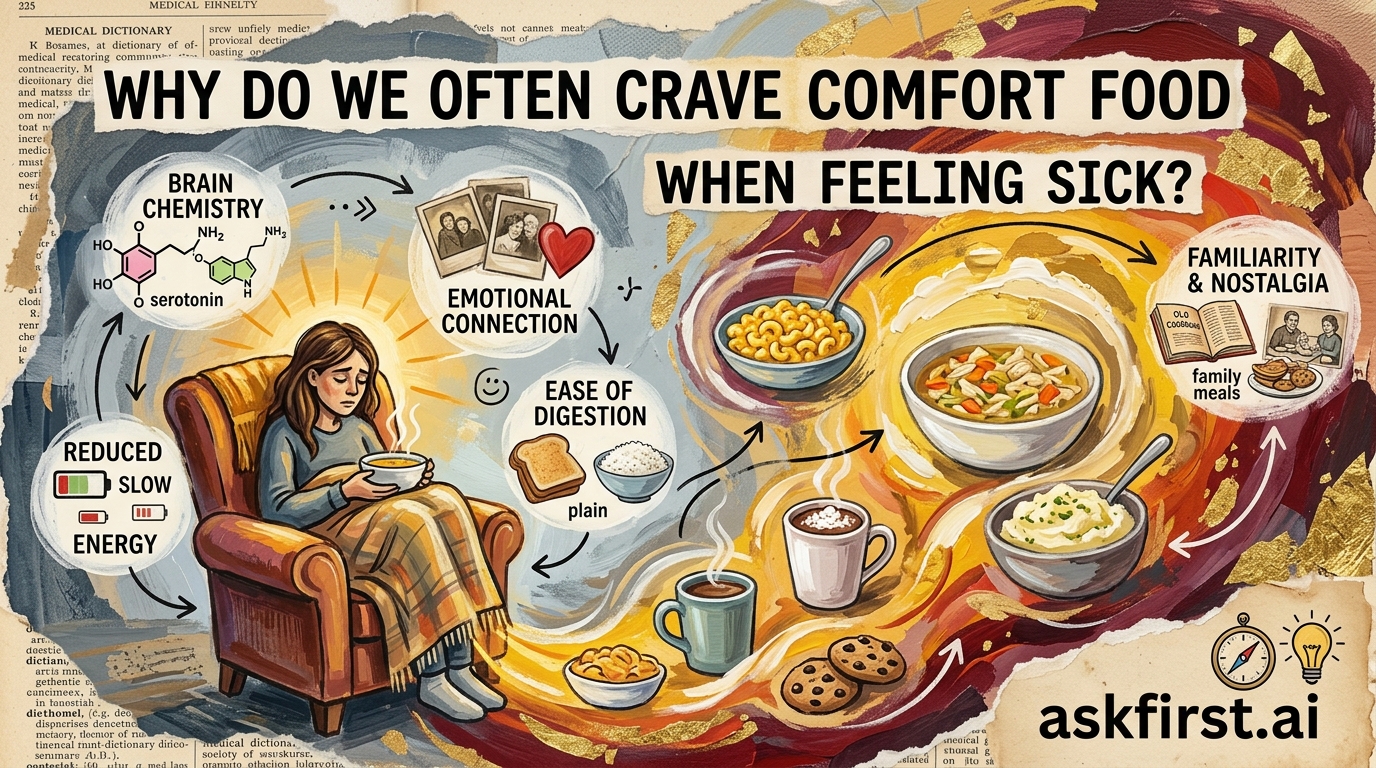
At the center of comfort food cravings lies the brain's reward system, specifically the neurotransmitter dopamine. When an individual consumes foods high in sugar, fat, or carbohydrates, the brain experiences a "reward" sensation. During illness, the body is under stress, and the brain seeks ways to counteract this discomfort. The act of eating these hyper-palatable foods triggers the release of dopamine in the nucleus accumbens, providing a fleeting sense of pleasure and temporary relief from the malaise caused by an illness.
Evolutionary Survival Mechanisms
From an evolutionary perspective, cravings for calorie-dense foods were once critical for survival. In our ancestral history, food scarcity was common. When sick or injured, the body required high amounts of energy to fight infection and repair tissues. Evolution favored those who felt a strong drive to consume calorie-rich sustenance when weak. Today, even though high-calorie foods are ubiquitous rather than scarce, this ancient survival mechanism remains hardwired in the human psyche, compelling individuals to seek out energy-dense options when they feel vulnerable.
Emotional Association and Nostalgia
Comfort food is deeply tied to psychological conditioning and memory. Often, these cravings are learned behaviors established in childhood. If a caregiver provided a specific food, like warm soup or toast, during periods of childhood illness, the brain creates a strong neurological association between that food and the comfort, safety, and attention received at that time. As adults, consuming that same food triggers the memory of being cared for, effectively reducing feelings of isolation and anxiety often associated with being sick. This is known as the "comfort food effect," where the food itself serves as an emotional surrogate for human support.
Cortisol and Physiological Regulation
The hormone cortisol, frequently called the "stress hormone," also plays a significant role. Elevated cortisol levels, common during illness, directly influence appetite. Research indicates that high cortisol levels tend to increase cravings for foods that are sugary or fatty. These foods are thought to dampen the body’s stress response, providing a functional, albeit temporary, physiological "calm" to the system. While this mechanism is designed to handle acute stress, in modern settings, it often leads to a cycle of seeking instant gratification to soothe discomfort.