The Psychology Behind Our Connection to TV Characters
The Science of Parasocial Bonds: Why Fictional Characters Feel Like Real Friends
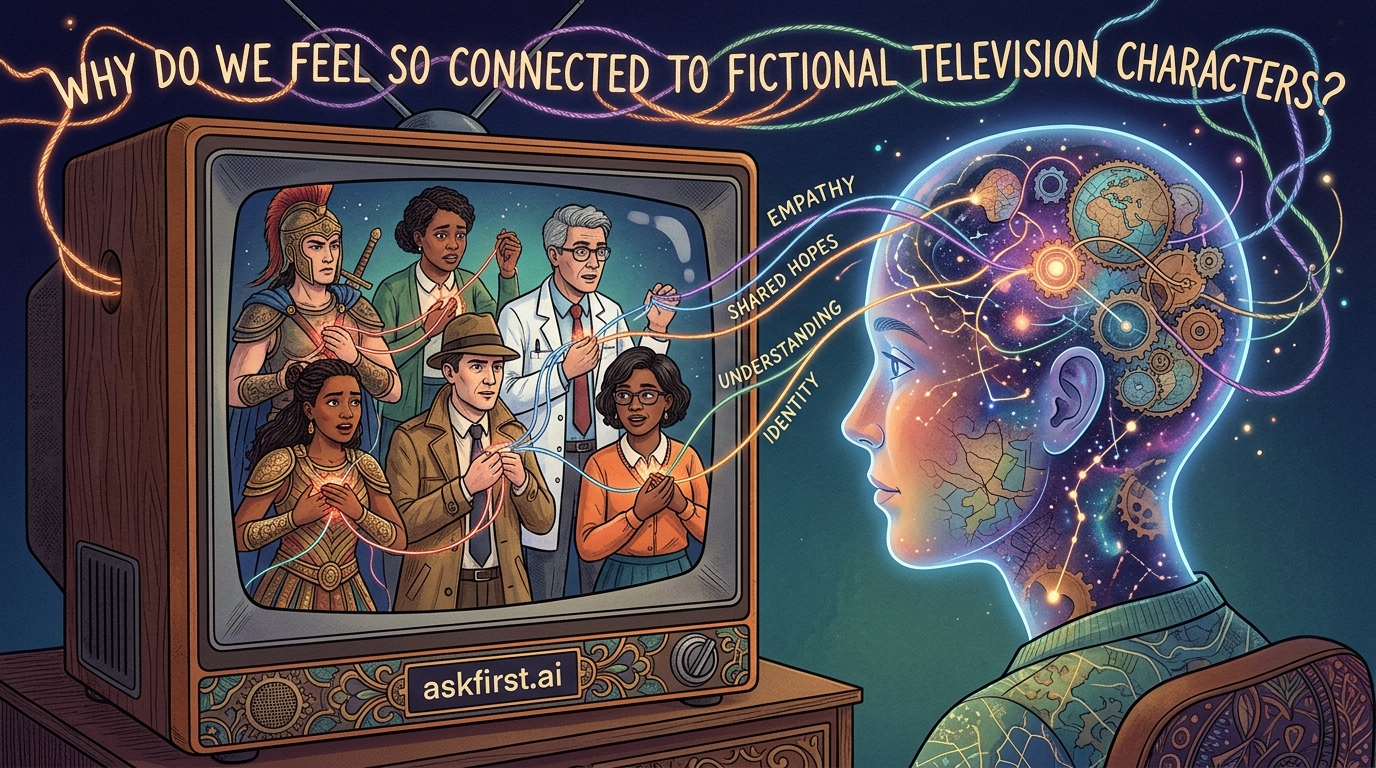
Human beings are social creatures, hardwired by evolution to seek connection, identify allies, and navigate complex social hierarchies. Surprisingly, the human brain often struggles to distinguish between the emotional processing required for real-life interactions and the stimuli provided by compelling narrative storytelling. This phenomenon, frequently termed a parasocial relationship, explains why viewers mourn a character’s departure or celebrate their triumphs as if they were close personal acquaintances.
The Neurobiology of Storytelling
When audiences engage with television, the brain’s mirror neuron system activates. Mirror neurons fire both when an individual performs an action and when they observe another person performing that same action. In the context of television, these neurons allow viewers to "empathize" with characters on a neurochemical level. When a protagonist experiences joy or heartbreak, the viewer’s brain releases oxytocin and dopamine, chemicals associated with social bonding and pleasure. This biological response creates a profound sense of intimacy that mirrors real-world friendship.
Why We Form These Bonds
- Predictability and Safety: Unlike real-life relationships, which are fraught with unpredictability and potential conflict, television characters offer a "safe" social space. Viewers can return to their favorite series knowing exactly how a character will react, which provides a comforting sense of psychological stability.
- The Illusion of Intimacy: Television provides a unique, intimate perspective. Through close-up camera angles and narrative voiceovers, audiences are granted access to a character's internal thoughts and private moments that even their friends in the story do not see. This creates a one-sided sense of familiarity that feels like genuine closeness.
- Identity Mirroring: Characters often serve as archetypes or aspirational figures. By identifying with a character’s struggles or values, viewers often incorporate aspects of those personas into their own self-concept. This "extension of self" makes the character feel like an integral part of one’s own life journey.
Evolutionary Psychology and Survival
From an evolutionary perspective, storytelling was a survival mechanism used to transmit tribal knowledge and social cues. The human brain evolved to treat narrative information as "real" social intelligence. Consequently, consuming high-quality television triggers the same emotional and cognitive pathways that our ancestors used to build trust and navigate social alliances within their groups. We are not "fooled" by the screen; rather, our ancient brain is functioning exactly as it was designed—interpreting human-like behavior and emotion as significant social data. In essence, the emotional resonance we experience with fictional characters is a testament to the sophistication of our social cognition. While the relationship is technically non-reciprocal, the psychological benefits—including emotional regulation, comfort, and the exploration of diverse perspectives—are tangible and deeply human.