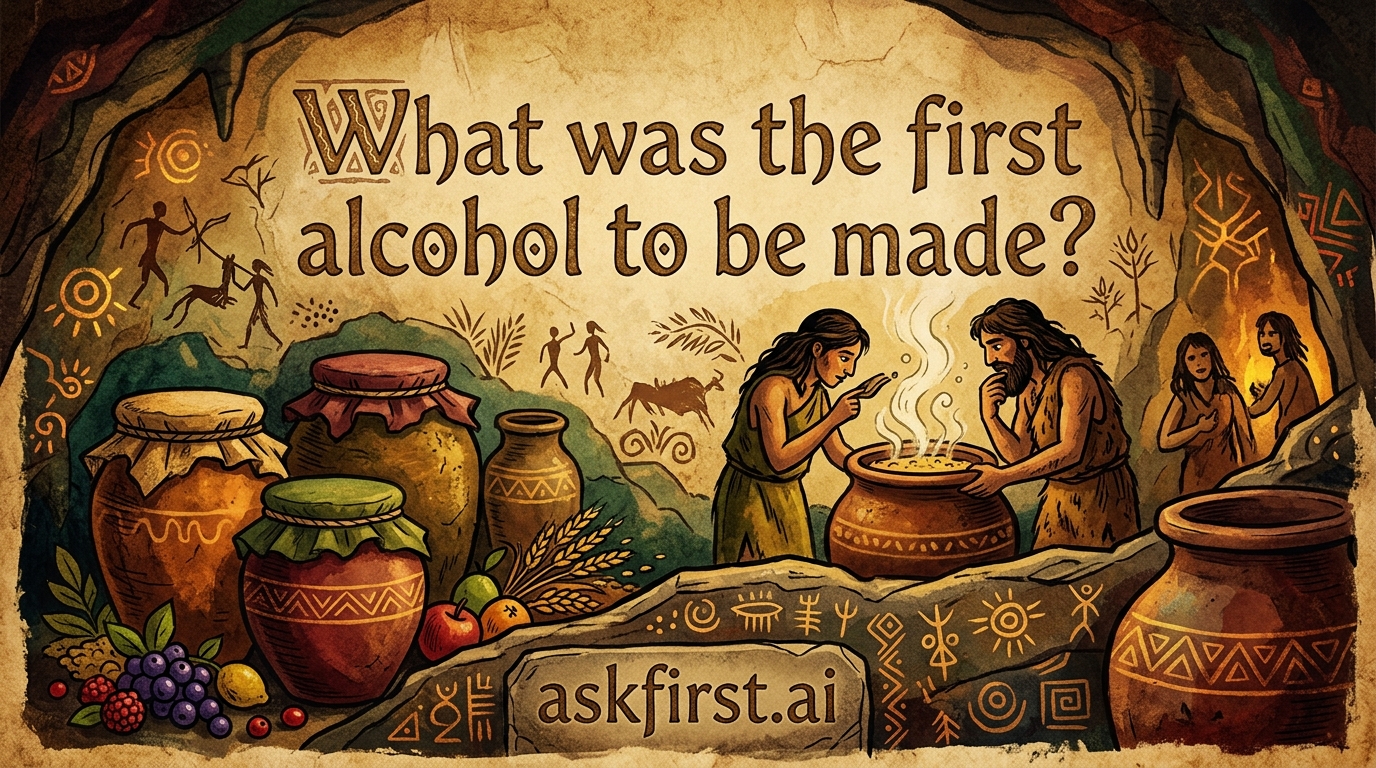
The Ancient Origins of Fermentation: Uncovering the First Alcohol
The history of alcohol is inextricably linked to the history of human civilization. While pinpointing the exact moment the first alcoholic beverage was created is difficult due to the lack of written records in prehistory, archaeological and chemical evidence suggests that mead (honey wine) is widely considered the oldest intentionally produced alcoholic drink.
The Archaeological Evidence
The consensus among anthropologists and historians points to the Neolithic period, approximately 9,000 years ago. In 2004, chemical analysis of pottery shards discovered in the village of Jiahu, China, revealed residues of a fermented beverage made from a mixture of honey, rice, and fruit (hawthorn and grapes). This discovery, dating back to roughly 7000 BCE, provides the earliest physical evidence of a fermented drink.
However, many scholars argue that the discovery of fermentation was likely accidental and occurred much earlier, perhaps as far back as the Paleolithic era. It is theorized that early humans stumbled upon naturally fermented honey (mead) inside hollowed-out tree trunks where rainwater had collected, or fruit that had fallen and fermented due to wild yeasts.
Why Mead and Fruit Wines Preceded Beer
There are three primary reasons why mead and fruit-based alcohol likely preceded grain-based alcohol:
- Ease of Collection: Honey is a naturally concentrated sugar source. Unlike grains, which require complex processing (malting and mashing) to convert starches into fermentable sugars, honey is ready to ferment as soon as it is diluted with water.
- Natural Yeast: Wild yeasts are abundant on the skins of fruits and in the environment. Exposure to these yeasts in a sugary solution results in spontaneous fermentation without human intervention.
- Agriculture: Beer requires the domestication of cereal crops like barley or wheat. Mead and fruit wines could be produced by hunter-gatherer societies using only gathered resources.
The Evolution of Fermentation
Once early humans realized that leaving sweet liquids in a container resulted in a mood-altering beverage, they began to refine the process.
- Fruit Wines: As human settlements became more stable, grapes and other berries were crushed and stored in clay vessels, leading to the birth of viticulture.
- Beer (The Grain Revolution): As agriculture took hold around 5000–4000 BCE in Mesopotamia, beer became the staple drink. It was safer to drink than local water supplies because the boiling and fermentation processes killed harmful bacteria.
- Distillation: This process, which creates spirits, did not appear until much later, likely around the 8th century CE, developed by Arab alchemists for medicinal and perfume purposes.
Pros and Cons of Ancient Brewing
Pros:
- Preservation: Fermentation was a survival technology, allowing for the preservation of seasonal fruits and grains.
- Sanitation: Alcohol acted as a disinfectant, making it a safer hydration source than contaminated water.
Cons:
- Lack of Consistency: Without modern knowledge of microbiology, ancient brews were often unpredictable in taste and potency.
- Health Risks: Improper storage could lead to the growth of harmful molds or bacteria.
Future Trends
Today, the "ancestral fermentation" movement is seeing a resurgence. Modern craft brewers and home enthusiasts are increasingly returning to ancient methods, such as wild-fermented meads and spontaneous-fermentation beers, to capture the complex, authentic flavors that characterized the dawn of human alcohol consumption. Whether it was the accidental discovery of a beehive in the rain or a deliberate Neolithic experiment, alcohol remains one of humanity's most enduring cultural artifacts.