How Love Rewires Your Brain's Perception of Your Partner
The Neuroscience of Love: Why Partners Look Different
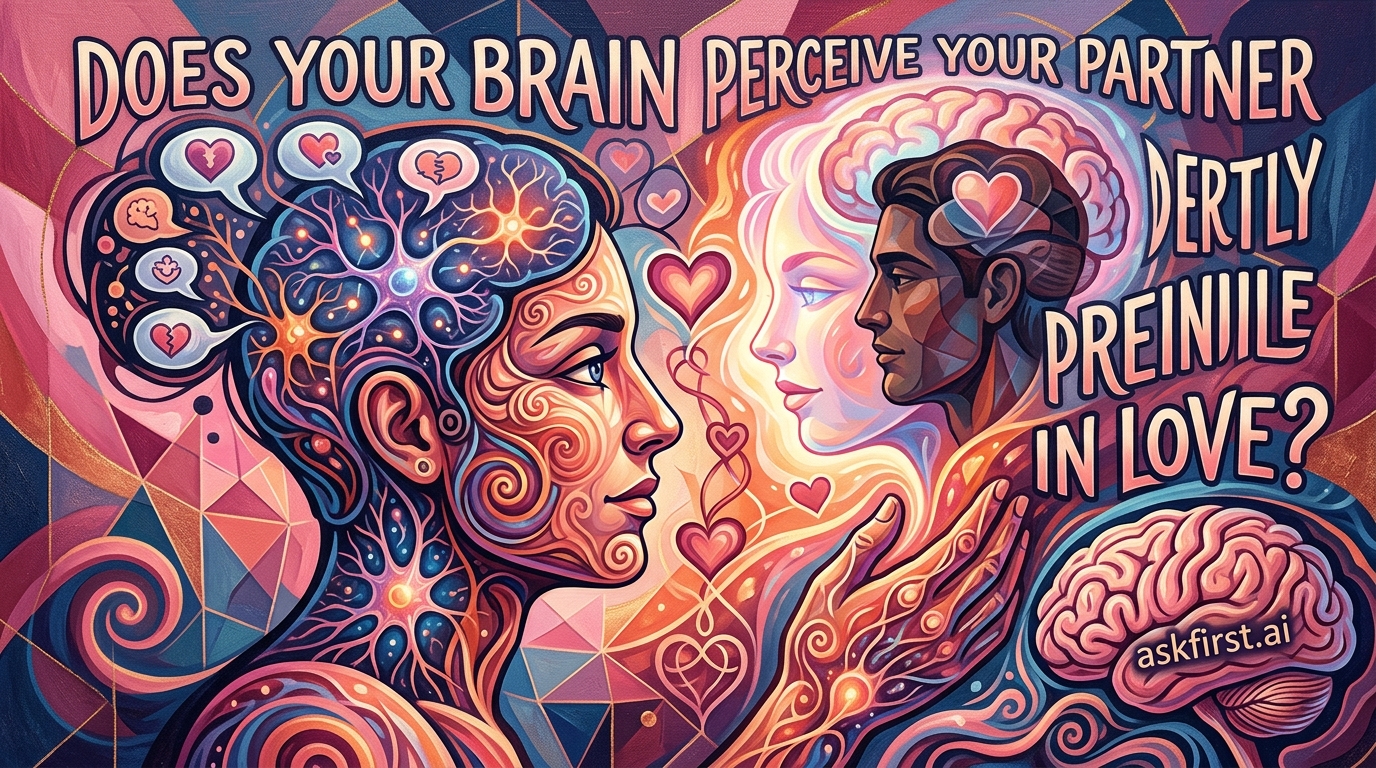
Scientific research into the human brain reveals that love is not merely an emotion; it is a profound biological state that fundamentally alters sensory perception and cognitive processing. When an individual enters the state of romantic love, the brain undergoes a radical reconfiguration that shifts how a partner is perceived, evaluated, and prioritized.
The Neural Reward System
At the core of this perception shift is the dopaminergic reward system. Functional magnetic resonance imaging (fMRI) studies, such as those conducted by Dr. Helen Fisher, demonstrate that viewing a beloved partner activates the ventral tegmental area and the caudate nucleus. These regions are rich in dopamine, the same neurotransmitter involved in addictive behaviors. Because the brain associates the partner with high levels of pleasure, it begins to prioritize their image and actions over those of others. This is why a partner often seems more attractive, intelligent, or interesting than they might appear to an impartial observer.
Suppressing Critical Judgment
One of the most fascinating aspects of love is the temporary suppression of the brain's critical social assessment areas. Research indicates that when someone is deeply in love, activity in the prefrontal cortex—the area associated with logic, planning, and negative judgment—often decreases. This neurological "blind spot" allows the individual to overlook potential flaws in their partner. This phenomenon, often colloquially called being "love-blind," is an evolutionary mechanism designed to foster pair-bonding and long-term cooperation by reducing the cognitive friction that comes from constant scrutiny.
The Role of Oxytocin and Vasopressin
Beyond dopamine, the brain releases oxytocin and vasopressin during intimate connection. These neuropeptides act as social modulators. Oxytocin, often referred to as the "cuddle hormone," enhances the perceived trustworthiness and desirability of the partner. It creates a feedback loop where the brain actively seeks out signals of affection and safety, effectively filtering out neutral or negative data about the partner. Consequently, the brain constructs a highly positive mental model of the loved one, which differs significantly from the objective, detached view one might hold for a stranger or a friend.
Sensory Amplification
Love also influences the sensory cortex. The sight or even the scent of a loved one can trigger more robust neural responses than similar stimuli from others. This sensory enhancement explains why a partner’s presence feels physically grounding and mentally stimulating. By dampening the brain’s defensive mechanisms and heightening the reward pathways, the brain actively creates a "preferred" perception of the partner, ensuring that the attachment remains secure and emotionally potent. This biological recalibration is a permanent feature of human biology, designed to ensure that we maintain the social bonds necessary for our survival as a cooperative species.