How Office Aesthetics Secretly Shape Your Creative Intuition
The Silent Architect: How Office Design Shapes Your Creative Potential
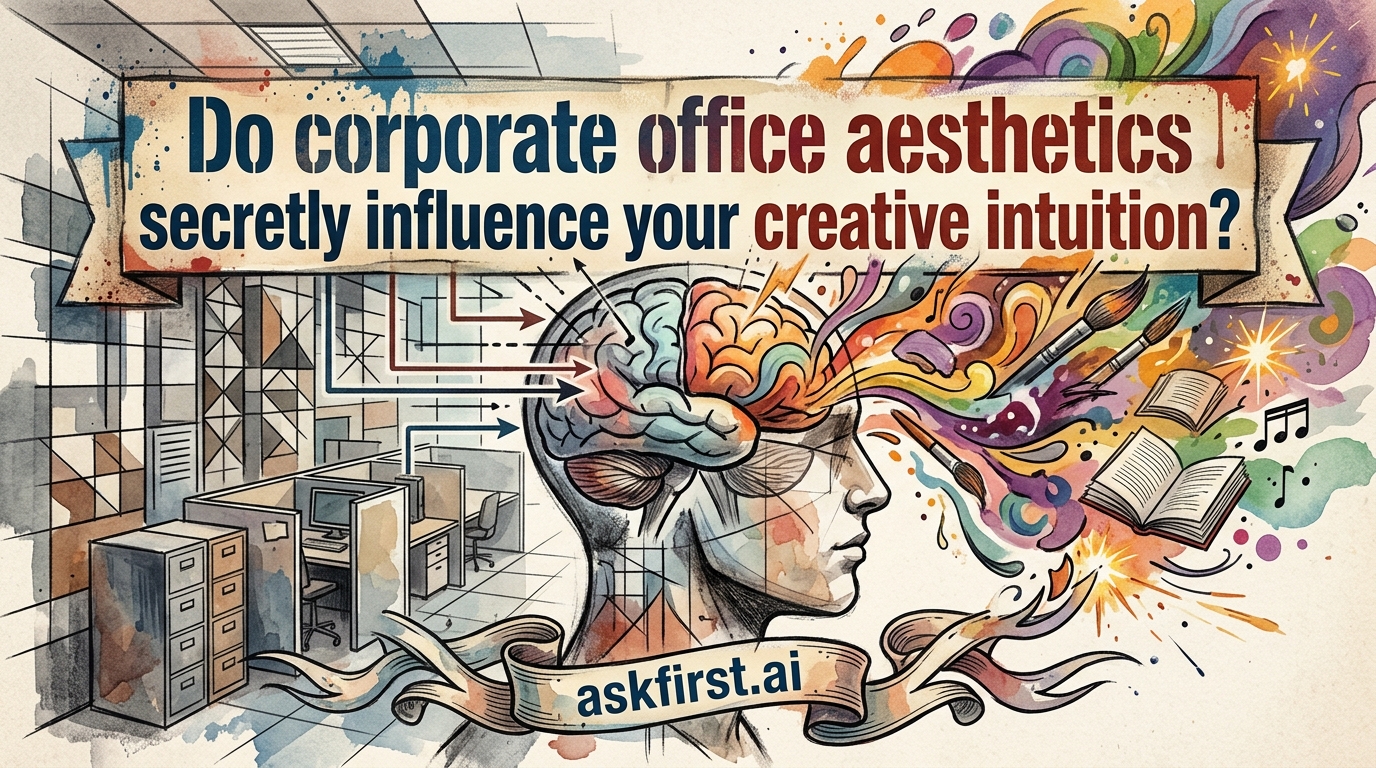
Corporate environments are far more than mere utilitarian spaces for task completion. Research into environmental psychology suggests that office aesthetics exert a profound, often subconscious, influence on creative intuition and cognitive flexibility. The physical surroundings act as a silent dialogue partner, either hindering or liberating the mind's ability to synthesize disparate ideas.
The Psychology of Environmental Cues
Environments designed with high ceilings, natural light, and organic textures are consistently linked to heightened creative output. This phenomenon, often referred to as environmental affordance, suggests that open and bright spaces signal safety and expansive thinking to the brain. Conversely, cramped, low-ceilinged rooms with fluorescent lighting can induce "cognitive tunneling," a state where focus narrows significantly, effectively suffocating divergent thinking—the primary engine of creativity.
- Natural Elements: Integrating biophilic design, such as indoor plants or views of nature, reduces cortisol levels and enhances sustained attention.
- Color Theory: Research indicates that blue and green tones foster communication and calm, while shades of red can trigger higher alertness, beneficial for detail-oriented tasks but potentially detrimental to blue-sky brainstorming.
- Spatial Autonomy: Giving employees control over their physical environment—such as adjusting desk heights or proximity to collaboration zones—increases psychological ownership and risk-taking behavior.
Challenging the Myths of Minimalist Efficiency
One common myth is that a stark, minimalist environment drives maximum productivity. However, studies show that complete sensory deprivation in office design often leads to boredom and mental fatigue. To optimize creative intuition, the environment must provide a "optimal level of stimulation." This means balancing quiet, focused zones with "collision spaces"—areas where serendipitous encounters occur. These intersections of personnel and ideas are where the most innovative breakthroughs are born.
Implementing Aesthetic Intuition
To foster an intuitive creative space, organizations must move away from the "one-size-fits-all" cubicle approach. Instead, consider the following structural principles:
- Dynamic Variability: Create diverse zones for different brain states—deep work pods for analytical processing and informal lounge areas for abstract idea generation.
- Visual Depth: Incorporate art or diverse textural elements that encourage the eyes to wander, which paradoxically aids the brain in forming non-linear associations.
- Light Quality: Prioritize circadian-aligned lighting systems that mirror the intensity and color temperature of natural daylight throughout the day.
By intentionally curating the sensory experience, businesses transform the office from a static backdrop into a proactive catalyst for innovation. When the environment respects the fluid nature of human intuition, it unlocks untapped reservoirs of mental agility, proving that the space we work in is indeed a fundamental component of the work itself.