The Biology of Shared Cinema: Why Movies Bind Us
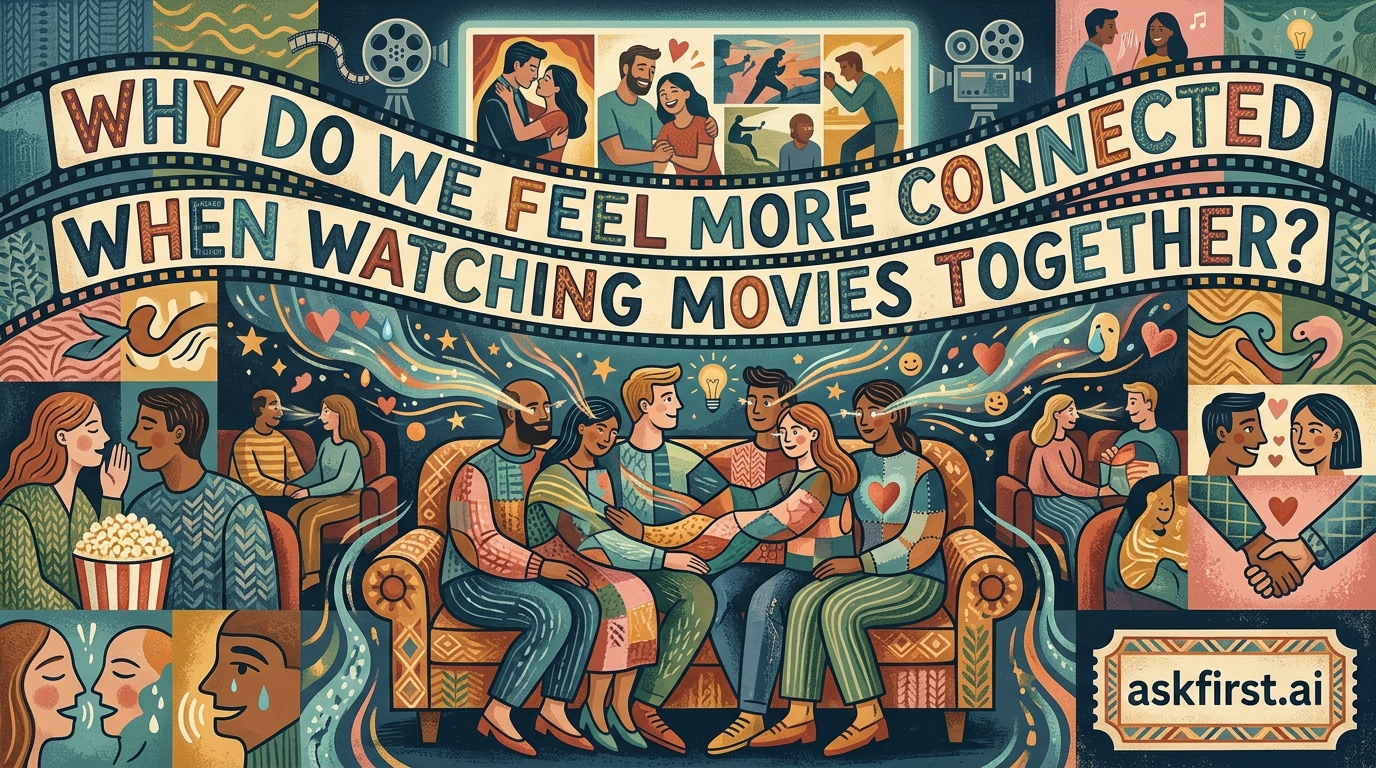
Human connection is often fostered through shared experiences, and watching a movie together is a profound catalyst for emotional synchronization. When individuals engage in the same cinematic narrative, their psychological states begin to mirror one another, a phenomenon often described by psychologists as neural coupling.
The Science of Mirror Neurons
At the core of this connection are mirror neurons, which fire both when an individual performs an action and when they observe that same action performed by another. During a film, these neurons react to the emotions portrayed on screen. When two people watch the same scene, their brains frequently exhibit similar patterns of activation, known as Inter-Brain Synchrony. This shared neurobiological state fosters a sense of unity, as both individuals are effectively experiencing the same emotional journey simultaneously.
- Emotional Contagion: This is the process where individuals perceive and mirror the emotions of those around them. When a partner or friend laughs or gasps during a movie, it validates the viewer's own reaction, creating a feedback loop of shared emotional resonance.
- The Oxytocin Effect: Research suggests that engaging in high-stakes or emotionally gripping narratives with others can trigger the release of oxytocin, often called the bonding hormone. This chemical release enhances feelings of trust and intimacy, solidifying the social bond between the observers.
The Role of Narrative Transportation
Narrative transportation occurs when viewers become so deeply immersed in a story that they lose track of their immediate surroundings. When this happens collectively, the barrier between "self" and "other" dissolves. The film serves as a third party in the relationship, providing a shared topic of conversation and a common frame of reference. This shared context reduces social anxiety, as the burden of maintaining conversation is temporarily lifted, allowing for a comfortable silence that feels intimate rather than awkward.
Practical Implications for Social Bonding
This phenomenon explains why "movie night" remains a universal social ritual. It is not just about the content on screen, but about the co-regulation of emotional arousal. By choosing films that evoke wonder, suspense, or laughter, participants actively curate an environment that promotes positive social interaction.
Benefits of Shared Screen Time:
- Reduced Stress: Sharing a funny movie can lower cortisol levels through shared laughter.
- Enhanced Empathy: Discussing characters' motivations after a film allows viewers to practice perspective-taking.
- Strengthened Identity: Developing a collection of "favorite" shared films creates a unique culture within a relationship, serving as a mnemonic device for shared history.
In conclusion, the magic of cinema lies in its ability to synchronize human emotions. By aligning our focus on a common narrative, we engage in a collective experience that bridges the gap between individuals, making shared viewing a fundamental pillar of human social connection.