The Neurobiology of Sugar Cravings After a Long Day
The human inclination to seek out sweetness following a cognitively or physically demanding day is not merely a matter of "willpower" or simple hedonism. It is a complex physiological and psychological response rooted in evolutionary biology, neurochemistry, and the body’s homeostatic regulation of energy.
1. Evolutionary Biology and Energy Conservation
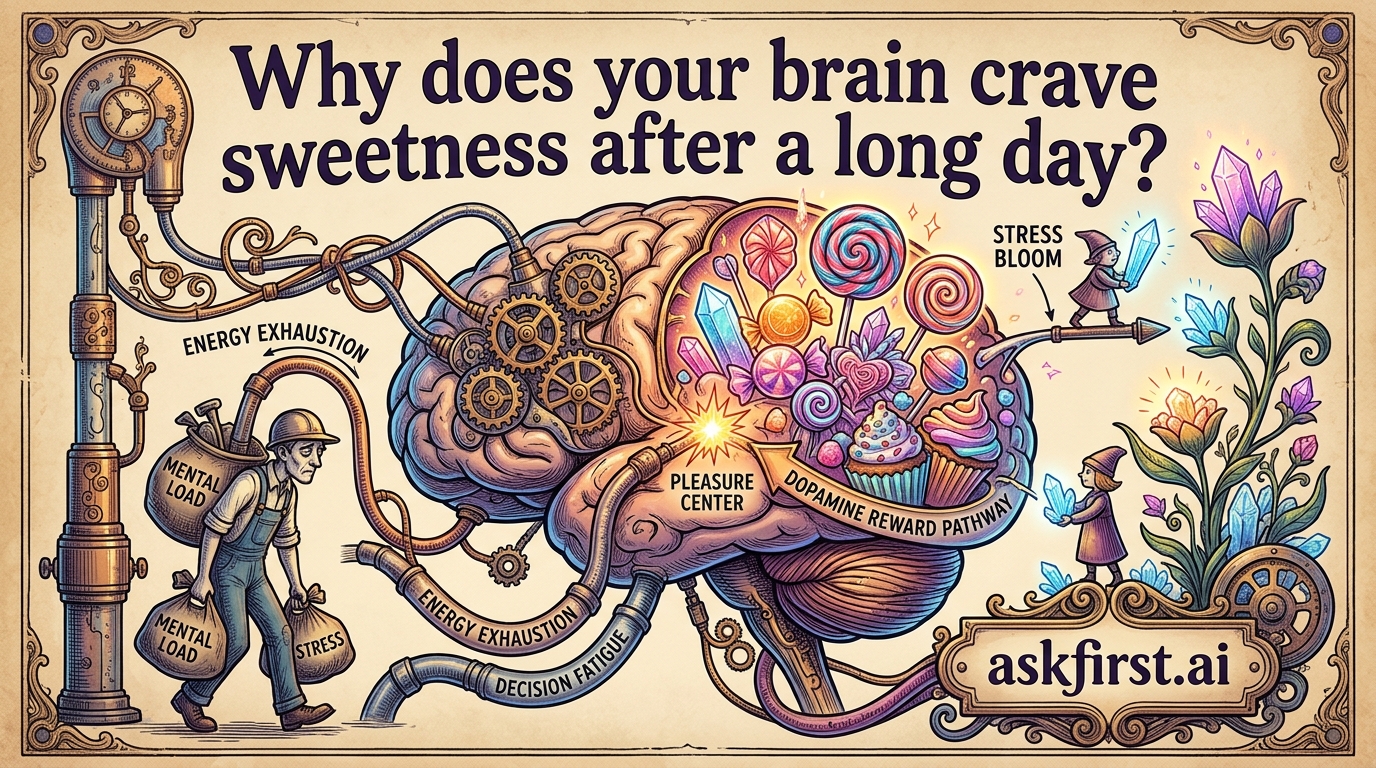
From an evolutionary standpoint, the human brain is wired to prioritize high-calorie foods. For our ancestors, glucose was the most efficient fuel source for survival. When the brain perceives a "long day"—often characterized by stress, physical exertion, or prolonged cognitive focus—it interprets this as a period of high metabolic demand. Sweet foods, which signify high caloric density in nature (such as ripe fruit), trigger a primitive reward system that encourages the consumption of energy-dense nutrients to replenish depleted glycogen stores.
2. The Neurochemical Cascade: Dopamine and Serotonin
The brain’s "reward circuit," primarily involving the ventral tegmental area (VTA) and the nucleus accumbens, plays a central role in these cravings.
- Dopamine Release: Consuming sugar triggers an immediate release of dopamine, the neurotransmitter associated with pleasure and reinforcement. After a stressful day, the brain utilizes this sugar-induced dopamine spike to counteract feelings of fatigue or emotional exhaustion.
- Serotonin Synthesis: Carbohydrates and sugars facilitate the entry of tryptophan into the brain, which is a precursor to serotonin. Serotonin acts as a mood stabilizer. Therefore, the craving is often an unconscious attempt to "self-medicate" by elevating mood and inducing a sense of calm after the cortisol-heavy stress of a workday.
3. The Stress-Cortisol Connection
Chronic stress elevates levels of cortisol, the body’s primary stress hormone. Cortisol is designed to prepare the body for "fight or flight" by mobilizing glucose into the bloodstream. Once the immediate stressor passes, cortisol levels remain high, signaling to the body that it needs to replace the energy it thinks was just expended. This physiological feedback loop creates an intense biological push for carbohydrates and sweets, even if no physical exertion actually occurred.
4. Practical Management Strategies
To manage these cravings effectively without compromising health, one must address both the physiological deficit and the psychological trigger:
- Prioritize Protein: Consuming high-protein snacks earlier in the day stabilizes blood sugar, preventing the rapid drops that trigger evening cravings.
- Hydration: Fatigue is often mistaken for hunger. Drinking a glass of water can alleviate cellular dehydration that mimics the "brain fog" associated with low energy.
- Mindful Decompression: Instead of reaching for sugar to "reset" the brain, engage in low-dopamine activities like light stretching, reading, or meditation to lower cortisol levels naturally.
- Strategic Substitution: If the craving persists, choose complex carbohydrates or natural sugars (like berries) paired with fats (like nuts). This slows the absorption of glucose, preventing the "crash-and-burn" cycle of refined sugars.
5. Future Trends and Conclusion
Current research into the gut-brain axis suggests that our microbiome may also influence these cravings, as certain bacteria thrive on sugar and may send signals via the vagus nerve to the brain. Understanding that sugar cravings are a byproduct of modern life’s stress on an ancient biological system allows for a more compassionate, evidence-based approach to nutrition. By recognizing these cravings as a signal of fatigue rather than a character flaw, individuals can better navigate their dietary choices.