Mastering the Mind: How Ritualistic Meditation Elevates Cognitive Flow
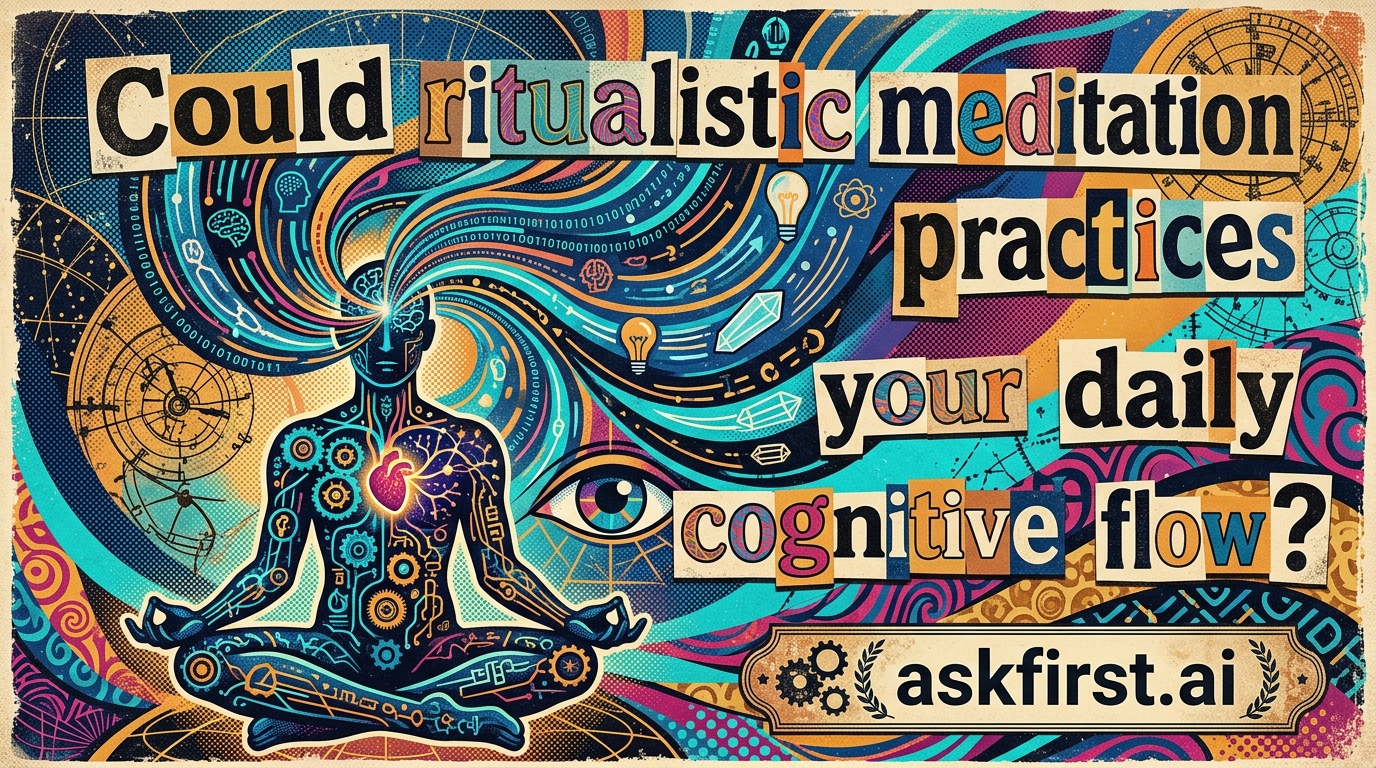
Cognitive flow, often described as being "in the zone," is a state of optimal experience where an individual is fully immersed in an activity with energized focus and full involvement. Ritualistic meditation acts as a biological priming mechanism, conditioning the brain to enter this high-performance state more reliably and rapidly.
The Neurobiology of Rituals
Rituals are not merely superstitious gestures; they are structured sequences that signal to the brain that a transition is occurring. According to research in cognitive science, consistent routines reduce "decision fatigue," a common drain on executive function. When a meditation ritual is performed, the brain shifts from a state of reactive processing—governed by the amygdala—to a state of receptive, executive processing governed by the prefrontal cortex.
Key mechanisms include:
- Synchronized Brain Waves: Ritualized mindfulness promotes alpha and theta wave activity, which are associated with relaxed alertness and creative problem-solving.
- Reduced Cortisol: Regular practice lowers baseline stress markers, preventing the "fight or flight" response from hijacking cognitive resources during complex tasks.
- Attentional Muscle Development: By repeatedly returning focus to a single point, such as breath or a mantra, the brain strengthens its ability to sustain deep focus during professional or creative endeavors.
Designing Your Cognitive Ritual
To effectively leverage ritualistic meditation for daily flow, consistency is prioritized over intensity. Even five to ten minutes of a structured practice can yield profound benefits when performed at the same time each day.
- The Anchoring Phase: Select a physical anchor, such as lighting a specific candle or performing a brief sequence of stretches. This creates a Pavlovian response where the environment becomes associated with cognitive readiness.
- The Intention Setting: Spend two minutes defining the exact cognitive objective of the session. Clarity reduces mental noise and directs latent energy toward the task at hand.
- Deep Presence Practice: Engage in active observation of thoughts without judgment. This non-reactive state is the foundation of "flow," where one can perform without the self-conscious interference of the ego.
Sustaining the Flow State
Once the transition from ritual to work occurs, the cognitive benefits remain active. Research suggests that those who utilize pre-task rituals experience higher levels of task satisfaction and improved resilience in the face of complex challenges. The ritual acts as a psychological buffer, maintaining a state of high-arousal focus without the jittery instability of anxiety. By treating the workspace as a sanctuary for intention, practitioners can transcend the limitations of traditional time management, effectively optimizing their mental architecture for consistent, high-performance output throughout the duration of the day.