The Chromatic Connection: How Color Shapes Human Emotion
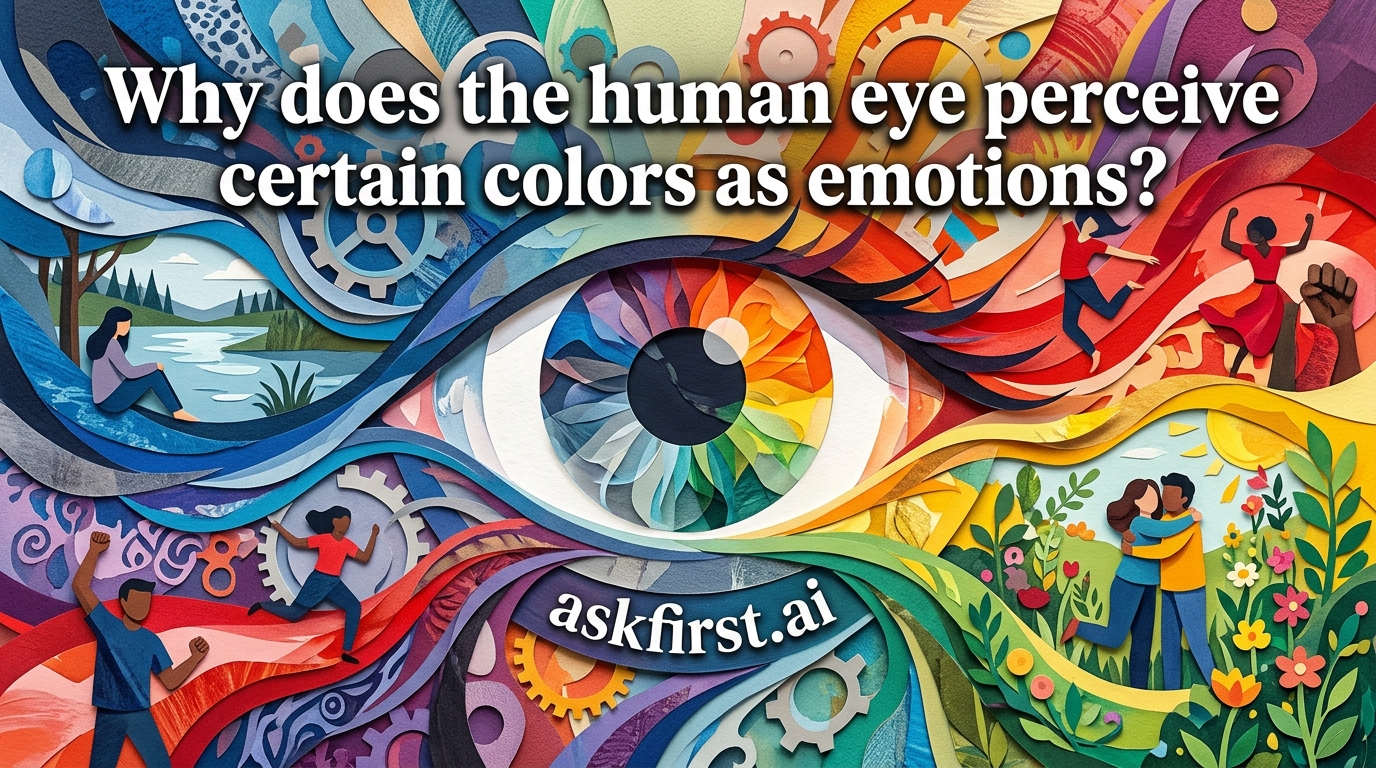
The perception of color as an emotional trigger is a complex interplay between biology, evolutionary history, and cultural conditioning. While the retina simply processes wavelengths of light, the brain interprets these signals through the limbic system, the area responsible for emotional regulation and memory. This process explains why humans possess innate visceral reactions to the visual spectrum.
Evolutionary Roots and Survival Mechanisms
From an evolutionary standpoint, the ability to associate color with emotion served as a vital survival mechanism. For our ancestors, vibrant red often signaled either danger, such as blood or fire, or opportunity, such as ripe, nutrient-dense fruit. Consequently, the brain developed a heightened sympathetic nervous system response to red, characterized by increased heart rate and alertness. Conversely, colors like blue are linked to expansive, stable environmental features like the sky and clean water, which historically signaled safety, calm, and predictability, thus triggering a parasympathetic nervous system response that lowers stress.
The Psychological Spectrum
Color psychology functions on several distinct levels:
- Biological Predisposition: Humans are hardwired to react to light intensity and specific hues based on survival needs.
- Cross-Cultural Symbolism: While some reactions are universal, others are learned. For example, yellow is frequently associated with energy and warmth due to the sun, yet its meaning can fluctuate based on specific societal traditions.
- Contextual Framing: The emotional response to a color is heavily moderated by the surrounding environment and the intensity of the hue. A deep navy blue might evoke professional authority, whereas a soft powder blue promotes tranquility.
Synesthesia and Sensory Integration
Scientific research into chromesthesia, a form of synesthesia where sound or emotion is involuntarily experienced as color, provides further insight into this phenomenon. Even individuals without synesthesia experience "cross-modal associations," where the brain maps sensory input across different regions. When viewing a bold, saturated yellow, the brain's visual cortex communicates with the amygdala, bypassing purely logical analysis to trigger an instantaneous feeling of cheerfulness or agitation. This confirms that color is not merely a passive visual input but an active psychological stimulant.
Conclusion: The Language of Light
The perception of color as emotion remains one of the most effective tools in modern design, therapy, and communication. By understanding that these reactions are rooted in both ancient survival instincts and contemporary cognitive associations, individuals can harness color to influence mood, improve productivity, and create harmonious environments. The connection between the eye and the emotion is a profound testament to the sophistication of human evolution and the enduring power of light to shape the internal state of the mind.