The Biology of Belief: How Your Brain Heals Your Body
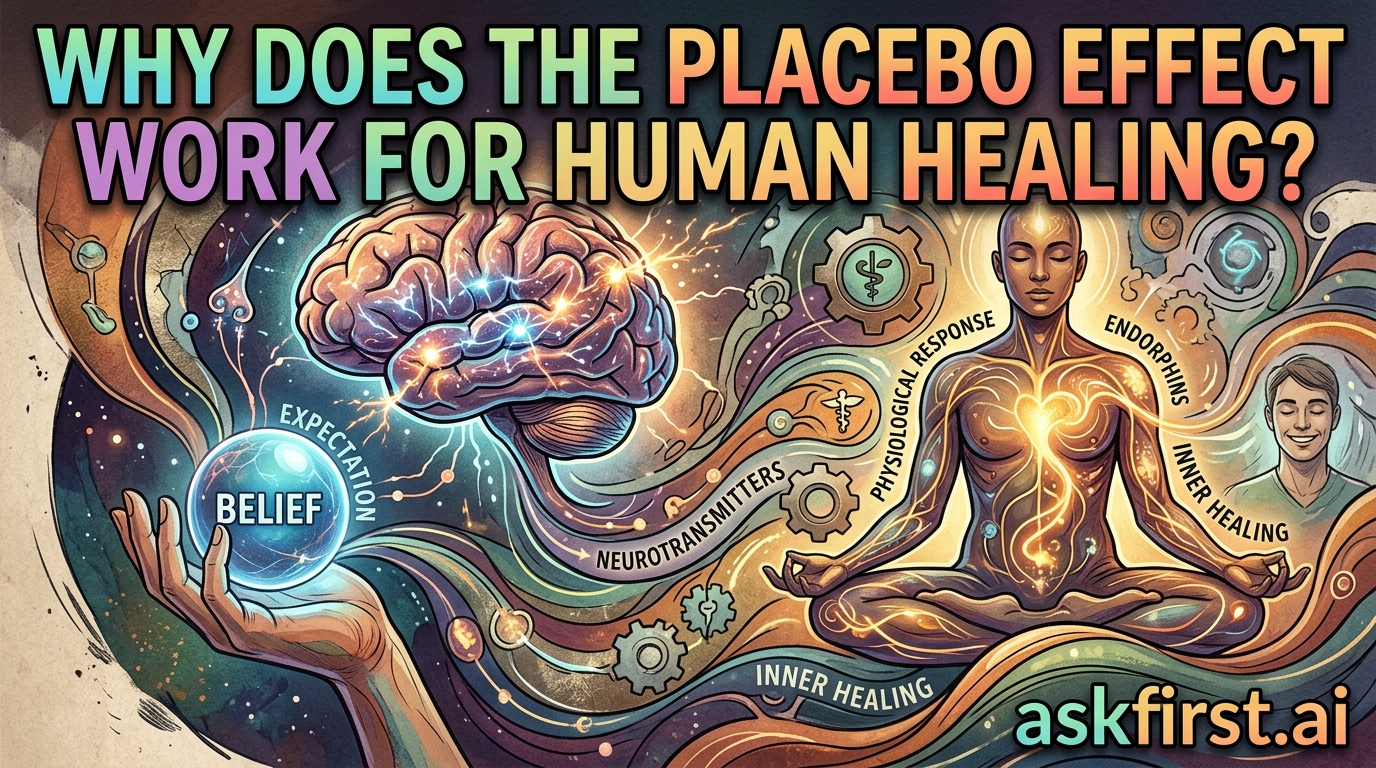
The placebo effect stands as one of the most intriguing mysteries in medicine, demonstrating the profound capacity of the human mind to influence physiological states. It is not merely a "trick" or psychological delusion; it is a complex neurobiological response that bridges the gap between expectation and clinical improvement. When a patient believes a treatment will be effective, the brain initiates a cascade of chemical and electrical signals that can genuinely alter physical health.
The Neurochemistry of Expectation
At the heart of the placebo effect lies the brain's internal pharmacy. When someone anticipates relief, the prefrontal cortex activates and signals the reward centers of the brain. This activity triggers the release of endogenous opioids, such as endorphins and enkephalins, as well as dopamine. These natural neurotransmitters bind to receptors throughout the nervous system, effectively muting pain signals and enhancing mood. Research has consistently shown that the administration of an opioid antagonist, such as naloxone, can block these placebo-induced analgesic effects, providing concrete evidence that the brain is synthesizing genuine chemical pain relief.
Conditioned Responses and Healing
Beyond mere expectation, the placebo effect is often rooted in classical conditioning. If an individual has previously experienced relief after taking a pill or visiting a doctor, the environment—the white coat, the sterile office, the act of swallowing a tablet—becomes a sensory trigger. The body learns to associate these external stimuli with recovery. Over time, the mere presentation of the clinical ritual can suppress the sympathetic nervous system and activate the parasympathetic nervous system, shifting the body from a state of "fight or flight" to "rest and digest." This physiological shift supports tissue repair, lowers heart rate, and stabilizes immune function.
The Power of the Therapeutic Encounter
It is essential to recognize that the therapeutic context significantly amplifies this phenomenon. A physician who exhibits empathy and authority increases the patient's sense of safety and hope. Studies in neuroimaging reveal that compassionate interactions dampen activity in the amygdala, the brain's fear center, thereby reducing the perception of threat and physical discomfort. This underscores the fact that the healing process is deeply social and relational, not just biochemical.
Understanding the Boundaries
While the placebo effect is potent, it possesses clear limits. It is highly effective in modulating subjective experiences such as chronic pain, fatigue, nausea, and anxiety. It cannot, however, cure structural diseases or eradicate pathogens like bacterial infections. The placebo effect works by optimizing the body's internal regulation and modulating the perception of symptoms, not by performing medical miracles on physical trauma. Embracing this capacity reveals the untapped potential of the mind-body connection in optimizing overall wellness.