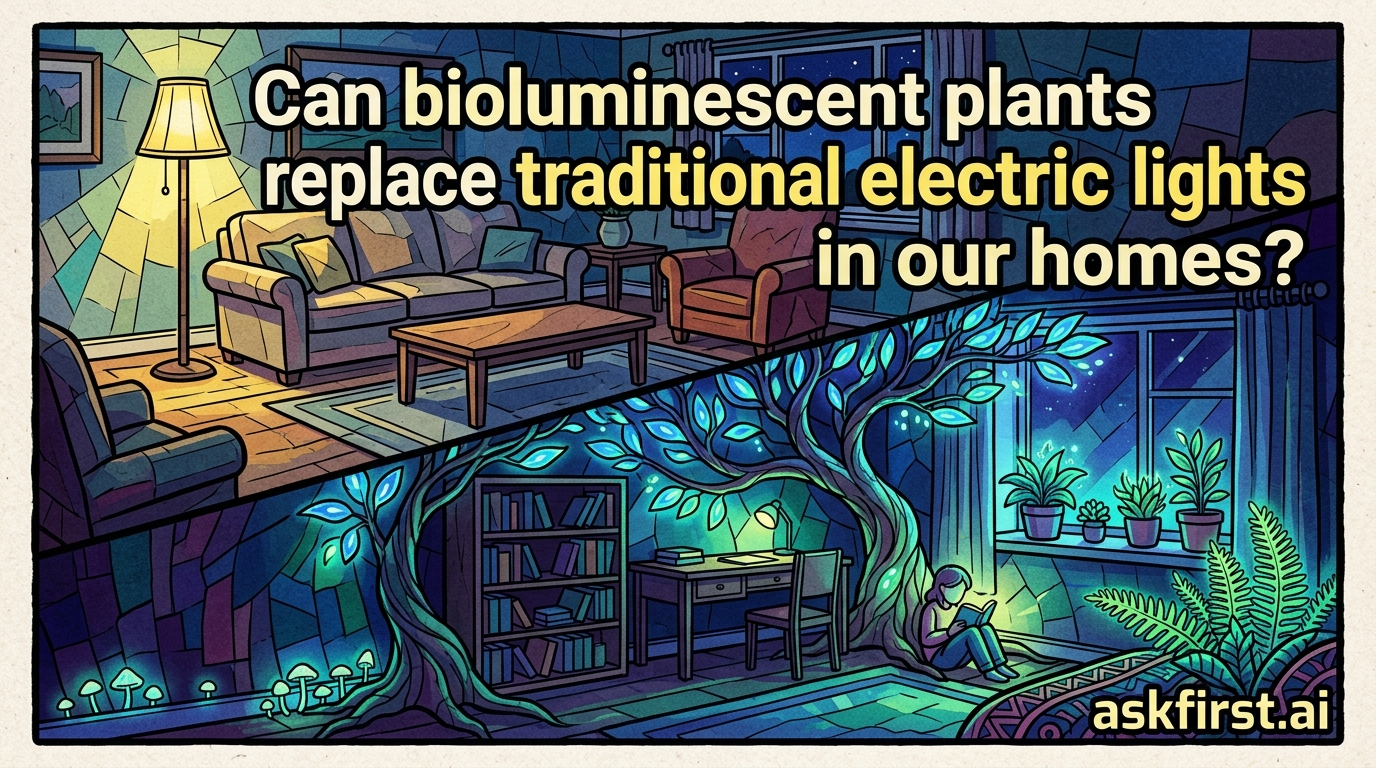
The Potential of Bioluminescent Plants as Sustainable Lighting
The concept of replacing traditional electric lighting with bioluminescent plants—organisms engineered to emit light through biochemical reactions—is a burgeoning field at the intersection of synthetic biology and sustainable architecture. While currently in the experimental stage, the vision of "glowing flora" offers a radical alternative to energy-intensive illumination.
The Science of Bioluminescence
Bioluminescence is a natural phenomenon where living organisms produce light via a chemical reaction, typically involving a pigment called luciferin and an enzyme called luciferase. In nature, this is observed in fireflies, jellyfish, and certain fungi. To adapt this for house plants, scientists use genetic engineering to introduce these bioluminescent pathways into the plant’s genome, often utilizing DNA from fungi or marine organisms.
Current Capabilities and Practical Implementation
As of 2026, researchers have successfully produced plants that emit a soft, ambient glow. However, there are significant limitations to their current efficacy:
- Luminosity Levels: Current bio-engineered plants produce light equivalent to a dim nightlight. They are nowhere near the lumens required for reading or task lighting.
- Duration: Most bioluminescent plants require specific metabolic conditions to maintain light output, often fading after a few hours or requiring constant "fueling" via nutrient solutions.
- Biological Complexity: Plants are complex living systems; redirecting energy from photosynthesis and structural growth toward light production can stunt the plant's overall health and lifespan.
The Path Toward Residential Integration
To transition from experimental curiosities to functional home lighting, several hurdles must be cleared:
- Genetic Optimization: Scientists are focusing on "metabolic engineering" to ensure the plant can generate light continuously without sacrificing growth.
- Light Intensity Scaling: Future iterations may involve synthetic biology techniques that amplify the luciferase reaction, potentially utilizing nanotechnology to coat leaves with light-enhancing compounds.
- Environmental Cues: Researchers are exploring ways to make plants respond to environmental triggers, such as turning "on" when the room darkens or when motion is detected.
Pros and Cons
Advantages
- Sustainability: Zero electricity consumption; the plants derive energy from sunlight and carbon dioxide.
- Carbon Sequestration: These plants would continue to act as carbon sinks, potentially improving indoor air quality.
- Aesthetic and Psychological Impact: Natural, soft lighting is often perceived as more relaxing and biophilic than harsh LED or fluorescent light.
Disadvantages
- Insufficient Output: They cannot currently replace functional task lighting.
- Ethical Concerns: The release of genetically modified organisms (GMOs) into domestic spaces raises questions regarding ecological containment and long-term health safety.
- Maintenance: Keeping a plant alive is significantly more labor-intensive than flipping a light switch.
Future Trends and Outlook
The future of bioluminescent lighting likely lies in hybrid systems. Rather than total replacement, we may see "living lamps" used as ambient, low-energy markers for hallways or stairs. As synthetic biology advances, we may eventually see bioluminescent trees acting as streetlights, drastically reducing urban energy consumption. While they won't replace your desk lamp this year, they represent a vital step toward a future where our infrastructure is not just inanimate, but alive.