The Science and History of Cooking: Why We Transform Our Food
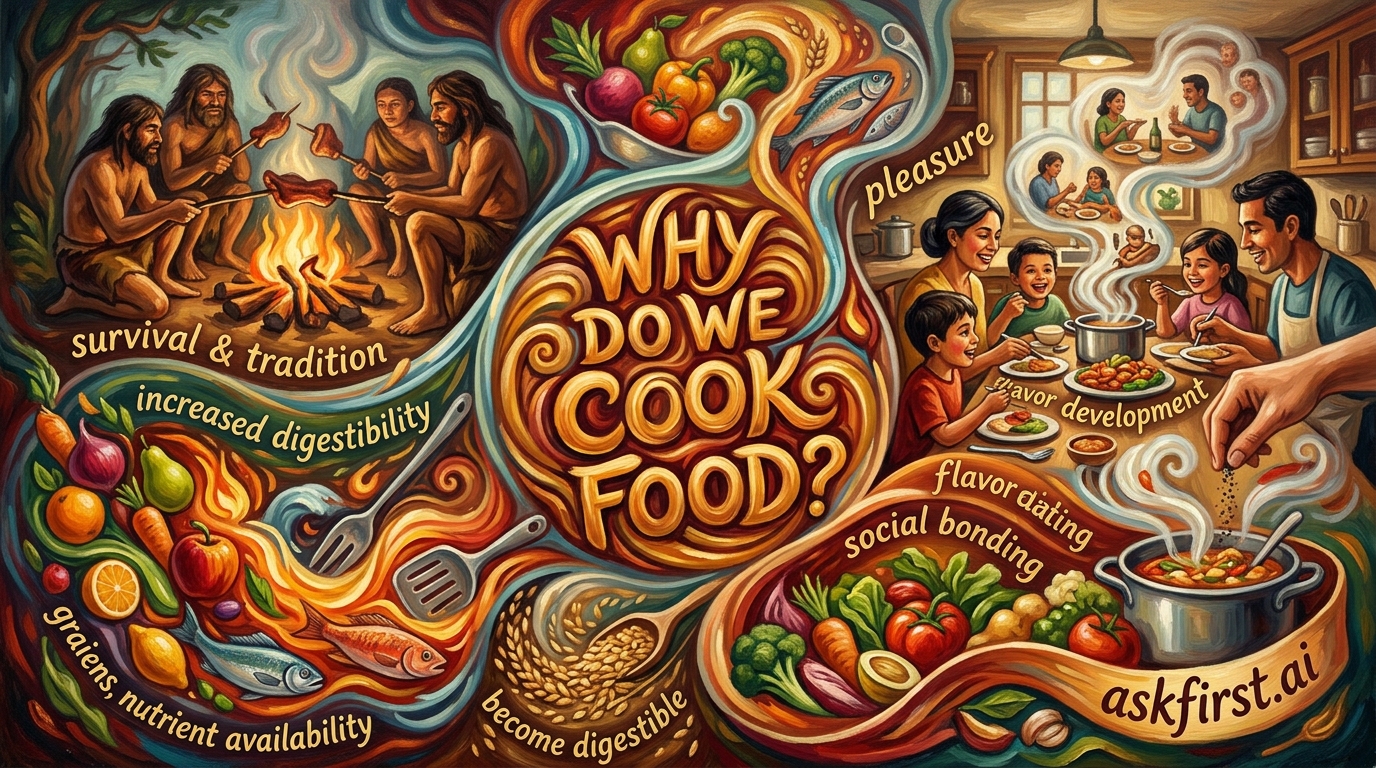
Cooking is the deliberate application of heat to food, a practice that defines human evolution, culture, and biology. While other animals consume raw sustenance, humans have spent millennia refining the art of thermal processing. The reasons we cook are multifaceted, spanning biological necessity, safety, and social cohesion.
1. Biological and Evolutionary Significance
The "Cooking Hypothesis," popularized by primatologist Richard Wrangham, suggests that the mastery of fire was the primary driver for human evolution.
- Increased Caloric Intake: Cooking breaks down complex carbohydrates and denatures proteins, making them significantly easier for the human gut to digest. This efficiency allowed our ancestors to extract more energy from the same volume of food.
- Brain Development: The surplus energy gained from cooked food is believed to have fueled the growth of the human brain. A larger brain requires immense metabolic energy; raw food diets struggle to provide the caloric density required to support such an organ.
- Reduced Digestive Burden: Raw food requires prolonged chewing and extensive gastrointestinal work. Cooking acts as "pre-digestion," allowing our digestive tracts to become shorter and more efficient over time.
2. Food Safety and Preservation
Beyond evolution, cooking serves as a critical defense mechanism against environmental threats.
- Pathogen Elimination: Heat is the most effective method for neutralizing harmful bacteria (such as Salmonella, E. coli, and Listeria), parasites, and toxins. Cooking food to specific internal temperatures ensures these pathogens are killed, drastically reducing the risk of foodborne illness.
- Preservation: Historically, cooking—alongside smoking, salting, and drying—served to extend the shelf life of perishable items. By reducing moisture content and neutralizing enzymes that cause spoilage, humans could store food for leaner months.
3. The Chemistry of Flavor and Texture
Cooking is fundamentally chemistry. The transformation of raw ingredients into a meal involves several key reactions:
- The Maillard Reaction: This is a chemical reaction between amino acids and reducing sugars that gives browned food its distinctive flavor. It is responsible for the seared crust on a steak, the golden color of toasted bread, and the complexity of roasted coffee beans.
- Caramelization: The pyrolysis of sugar, which results in a nutty flavor and brown color, adding sweetness and depth to vegetables and desserts.
- Texture Modification: Heat softens tough connective tissues (collagen) in meat, turning them into gelatin, and breaks down the cellulose in plant cell walls, making vegetables tender and palatable.
4. Social and Cultural Impact
Cooking transformed food from a mere survival mechanism into a social pillar.
- The Hearth and Home: The act of gathering around a fire to share a meal fostered communication, cooperation, and the development of language.
- Cultural Identity: Every civilization has developed unique cooking methods, spices, and rituals. Cuisine is a primary marker of cultural heritage, passed down through generations.
Future Trends
As we move toward 2026 and beyond, the future of cooking is shifting toward precision and sustainability. Techniques like sous-vide (precision temperature control) minimize nutrient loss, while plant-based "meat" cooking techniques are being engineered to replicate the Maillard reaction without animal products. As energy costs and environmental concerns rise, the trend is moving toward high-efficiency induction heating and solar-powered cooking solutions that prioritize both safety and flavor.