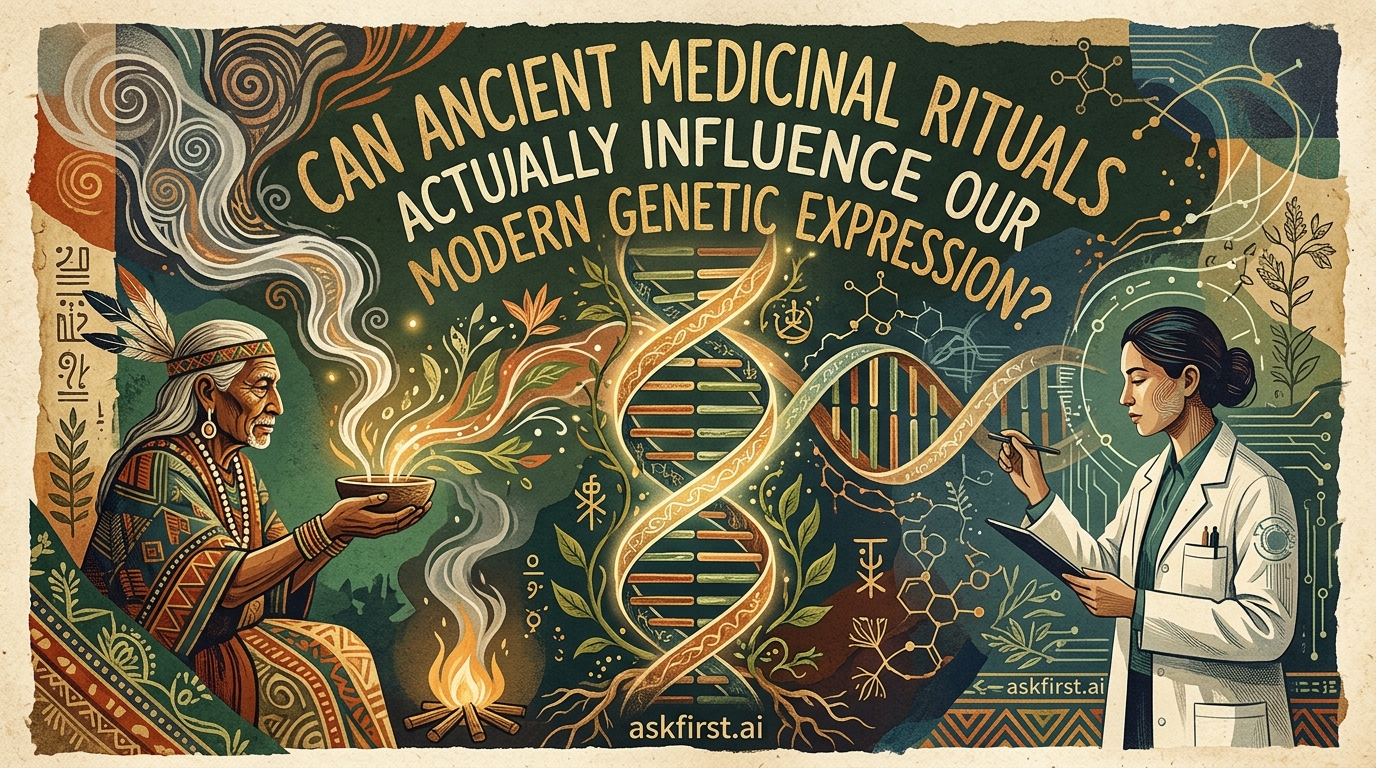
The Epigenetic Legacy: How Ancestral Wisdom Shapes Biology
Recent breakthroughs in the field of epigenetics—the study of how behaviors and environment cause changes that affect the way genes work—suggest that the boundary between ancient ritual and modern biology is thinner than previously imagined. While genetic code is fixed, gene expression is dynamic, acting as a biological switchboard influenced by lifestyle, meditation, and rhythmic communal practices.
The Mechanism of Epigenetic Modification
Epigenetic markers, such as DNA methylation and histone modification, serve as chemical tags that instruct cells to turn specific genes on or off. Traditional practices like Yoga, Qigong, and meditative chanting are no longer viewed merely as cultural artifacts but as distinct physiological interventions. Research, such as the seminal studies published by Dr. Herbert Benson at Harvard Medical School, demonstrates that the "relaxation response" elicited by these ancient techniques can actively downregulate the expression of genes associated with inflammation and cellular stress.
Rhythms, Resonance, and Cellular Function
Ancient medicinal rituals often incorporate repetitive sound, rhythmic movement, and deep breathing. These are not merely symbolic. They function as neurobiological regulators:
- Sound Healing and Vagus Nerve Stimulation: Tonal resonance, common in ancient chanting rituals, is hypothesized to stimulate the vagus nerve, which manages the parasympathetic nervous system. Stimulation of this nerve correlates with decreased levels of pro-inflammatory cytokines, essentially signaling the body to "reprogram" its inflammatory profile.
- Mindful Movement: Practices like Tai Chi encourage specific kinetic patterns that influence endocrine function. Studies suggest that these repetitive, intentional movements modulate cortisol levels, thereby reducing the systemic physiological "noise" that can cause detrimental gene expression patterns over time.
The Transgenerational Potential
Perhaps the most fascinating aspect is the potential for transgenerational epigenetic inheritance. While rituals influence the individual's current genetic expression, evidence increasingly suggests that these biochemical states can leave signatures on the germline. By engaging in practices that promote physiological homeostasis, humans may essentially be buffering their biological legacy against the pressures of modern environmental stress.
Scientific Limitations and Future Outlook
While the correlation between ancestral rituals and epigenetic regulation is compelling, it is essential to distinguish between correlation and causation. Many of these ancient practices exist within holistic systems that include diet, community support, and circadian alignment. It is likely the cumulative effect of these interventions that yields significant biological change. As genomic sequencing becomes more accessible, the scientific community is moving toward a more nuanced understanding of how these lifestyle "inputs"—whether ancient or contemporary—shape the molecular narrative of our existence. Ultimately, these rituals provide a structured mechanism for self-regulation, bridging the gap between historical wisdom and modern cellular biology.