The Biology of Belief: How Placebos Rewrite Your Internal Script
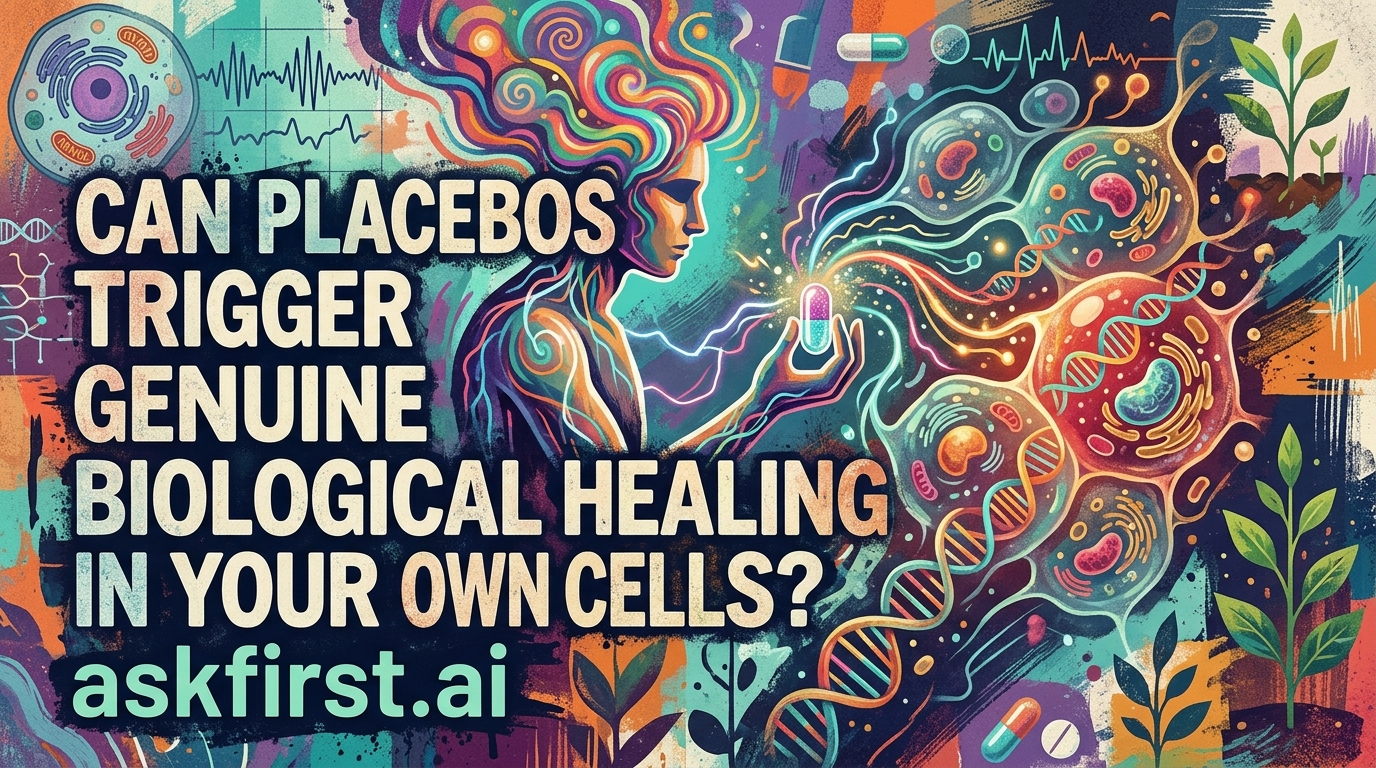
Modern medicine has long grappled with the 'placebo effect,' often dismissing it as a mere psychological quirk or a patient's desire to please the physician. However, neurobiological research now confirms that the placebo effect is not merely 'all in the head'—it is a tangible, measurable physiological event that triggers real biochemical changes in your cells. When a person holds a positive expectation of healing, the brain activates specific neural pathways that communicate directly with the immune and endocrine systems.
The Neurochemistry of Expectation
At the core of this phenomenon lies the release of endogenous opioids and dopamine. When a patient believes they are receiving medication, the brain's prefrontal cortex, which governs decision-making and expectations, signals the periaqueductal gray area. This triggers the production of endorphins—the body's natural painkillers. These molecules bind to opioid receptors throughout the nervous system, effectively muting physical pain signals before they reach the conscious mind. It is a classic case of biological self-regulation prompted by mental intent.
Beyond Pain: Cellular Modulation
Placebos can do more than mask pain; they can actively alter cellular behavior. Research published in journals like Nature has demonstrated that the brain can modulate immune responses based on learned associations. In clinical studies, patients conditioned to experience a therapeutic response to an immunosuppressant drug later showed a similar suppression of cytokine activity when given a placebo. This suggests that the body maintains a 'memory' of healing, which the mind can reactivate through expectation alone.
Key Mechanisms of Placebo Healing:
- Hormonal Regulation: Expectation reduces stress-related cortisol, creating an optimal environment for tissue repair and immune function.
- Neurotransmitters: Increased dopamine production improves mood, which is intrinsically linked to faster recovery times and reduced inflammation.
- Vagal Tone: The anticipation of relief stimulates the vagus nerve, promoting the 'rest and digest' state that is essential for cellular homeostasis.
- Gene Expression: Emerging studies in epigenetics indicate that sustained positive expectancy may influence the expression of genes involved in systemic inflammation.
The Reality of the 'Sham' Procedure
It is essential to understand that placebos are not magic; they are contextual cues. A 'sham' surgery or a colored pill serves as an external trigger for internal resources that already exist. The brain acts as a pharmacy, dispensing neurochemicals that influence how your cells repair, defend, and survive. While a placebo cannot replace critical interventions like antibiotics or emergency surgery, it highlights a profound, untapped potential: the capacity for the human mind to influence its own biological narrative. Understanding this bridge between thought and cell marks the next frontier in holistic human physiology.