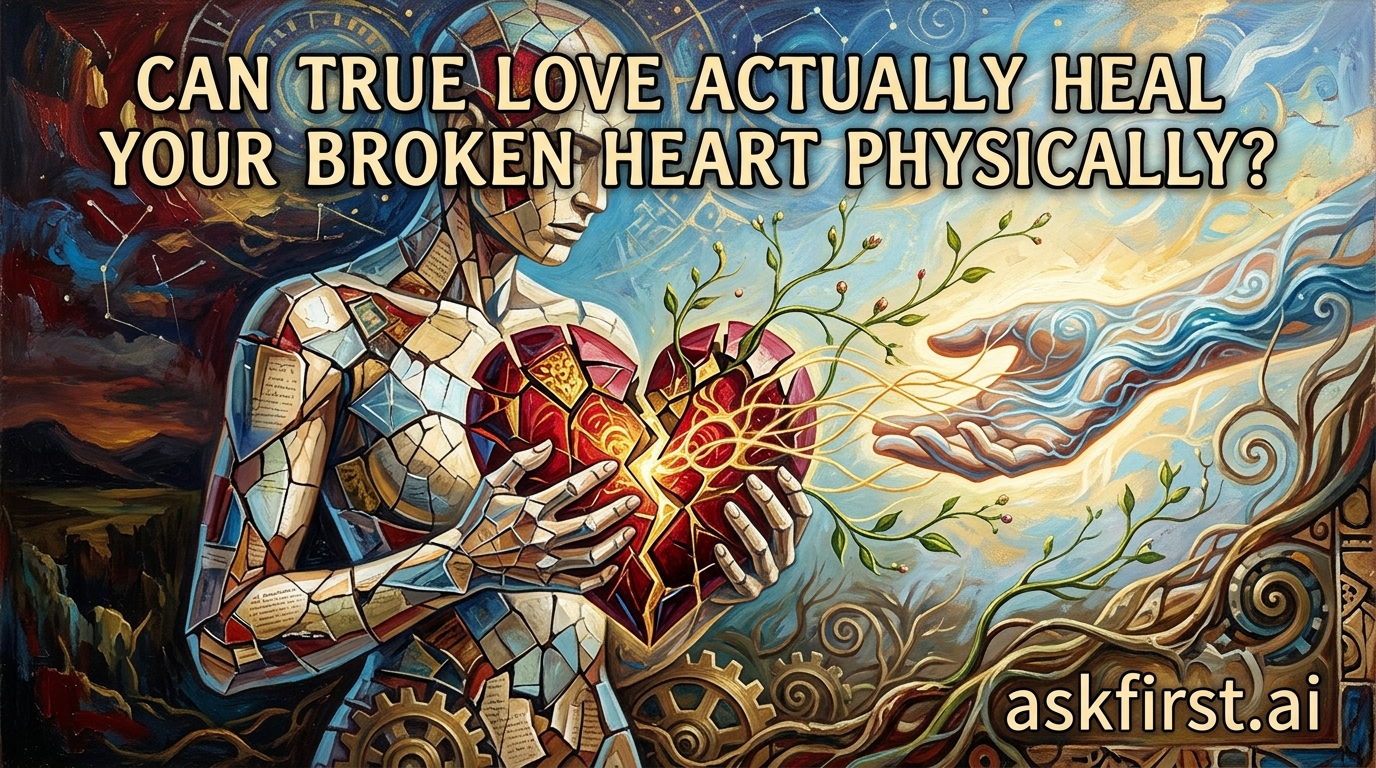
The Biology of Connection: Can Love Mend a Physical Heart?
The notion of a broken heart is often relegated to the realm of poetry or heartbreak ballads, yet scientific inquiry suggests that emotional states and cardiovascular health are deeply intertwined. When individuals experience profound emotional distress, such as the dissolution of a romantic bond, the body reacts with a tangible physiological response. While true love is not a medical procedure, its presence creates a neurochemical environment that facilitates genuine physical recovery.
The Neurochemistry of Attachment
Love acts as a powerful biological buffer. When a person feels deeply connected and loved, the brain triggers the release of oxytocin, often referred to as the bonding hormone. Oxytocin serves several vital physical functions:
- Stress Reduction: It suppresses the production of cortisol, the primary stress hormone that elevates blood pressure and strains the cardiac muscle.
- Inflammatory Modulation: Research indicates that healthy, supportive relationships correlate with lower levels of systemic inflammation, which is a known precursor to heart disease.
- Heart Rate Stabilization: Consistent feelings of security and affection help maintain a steady autonomic nervous system, promoting a healthier resting heart rate.
Busting the Myth: The 'Broken Heart' Syndrome
Medical science recognizes Takotsubo cardiomyopathy, or 'broken heart syndrome,' where acute emotional stress causes the heart's left ventricle to enlarge and pump ineffectively. While this is a temporary condition, it proves that emotions manifest physically. Consequently, the inverse must be true: the comfort of a nurturing, loving relationship provides the biological antithesis to this stress response. By calming the amygdala—the brain's fear center—love prevents the chronic adrenaline surges that would otherwise damage cardiac tissues over time.
The Healing Power of Social Anchoring
Beyond individual biology, love functions as a form of 'social anchoring.' Partners encourage healthier lifestyle choices, such as improved diet, consistent physical activity, and better sleep patterns. These behaviors are the structural foundation of heart health. Furthermore, touch and physical proximity—key elements of true love—are documented to release endorphins that act as natural painkillers, effectively lowering the physical sensation of distress associated with heartbreak.
Scientific Perspectives
Studies published in journals like Psychosomatic Medicine emphasize that individuals in stable, loving relationships show faster recovery times from surgical interventions and lower mortality rates from heart-related conditions. The body responds to the presence of a supportive partner by shifting away from the 'fight or flight' mode, allowing the cardiovascular system to operate with greater efficiency. While love cannot replace clinical treatment for organic heart defects, it creates a systemic environment where physical vitality thrives, turning emotional support into a potent biological catalyst for longevity and wellness.