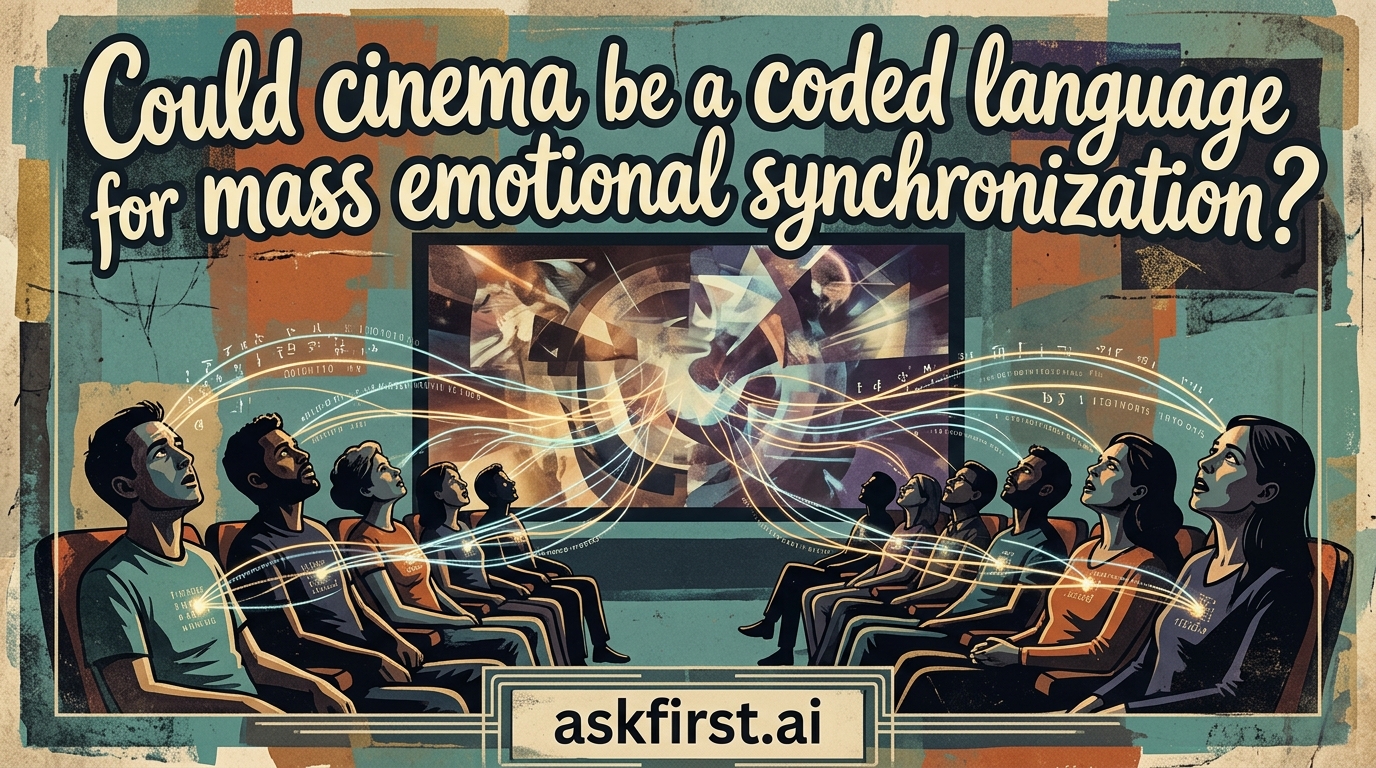
The Cinematic Code: Unlocking Mass Emotional Synchronization
Cinema serves as far more than mere entertainment; it functions as a sophisticated, non-verbal language designed to align the internal states of millions. Through a process rooted in neuro-cinematics, filmmakers deploy structured audiovisual cues that trigger uniform physiological responses across diverse audiences. This phenomenon suggests that movies operate as a coded system for mass emotional synchronization, guiding viewers through predictable patterns of arousal, empathy, and catharsis.
The Neurobiology of Shared Experience
Research indicates that high-level engagement with film induces neural coupling. When audiences watch a compelling narrative, their brain activity—specifically in the prefrontal cortex and the parietal lobes—often aligns with the onscreen events. This synchronization suggests that the brain processes film not as a detached observation, but as a lived experience. By manipulating pacing, lighting, and soundscapes, directors effectively "conduct" the collective nervous system of the theater.
- Rhythmic Entrainment: The use of musical scores and rhythmic editing syncs heart rates among audience members, creating a baseline of physiological unity.
- Mirror Neuron Activation: Cinematic close-ups force viewers to mirror the expressions of protagonists, generating an immediate, felt-sense of the character's emotional reality.
- The Power of Montage: The juxtaposition of disparate images creates cognitive associations that bypass conscious analytical thought, seeding complex emotional states directly into the viewer's subconscious.
The Language of Structural Pacing
Cinema utilizes universal signifiers that transcend cultural barriers. A sudden increase in tempo, a specific minor-key chord, or a shift toward handheld camera movement signals danger or urgency to the human brain, regardless of the viewer's background. This inherent logic acts as a biological cipher. Filmmakers act as linguists of the human condition, using a grammar of visual rhythm to dictate when an audience should hold their breath, when they should feel comfort, and when they should experience awe.
Why This Matters
Recognizing cinema as a coded language changes how the value of storytelling is perceived. It is a technology of influence that fosters social cohesion by providing a shared "memory" or emotional template. When millions of people share the same synchronized emotional arc, they are unified by a common visceral language. This synchronization creates a sense of belonging and collective experience that is rarely achieved in other facets of modern life. Ultimately, the cinema screen acts as a mirror that synchronizes the internal clocks of its observers, transforming a room of strangers into a single, breathing entity, vibrating in rhythm with the flicker of the projected light.