Understanding Coral Bleaching: Causes, Mechanisms, and Global Impact
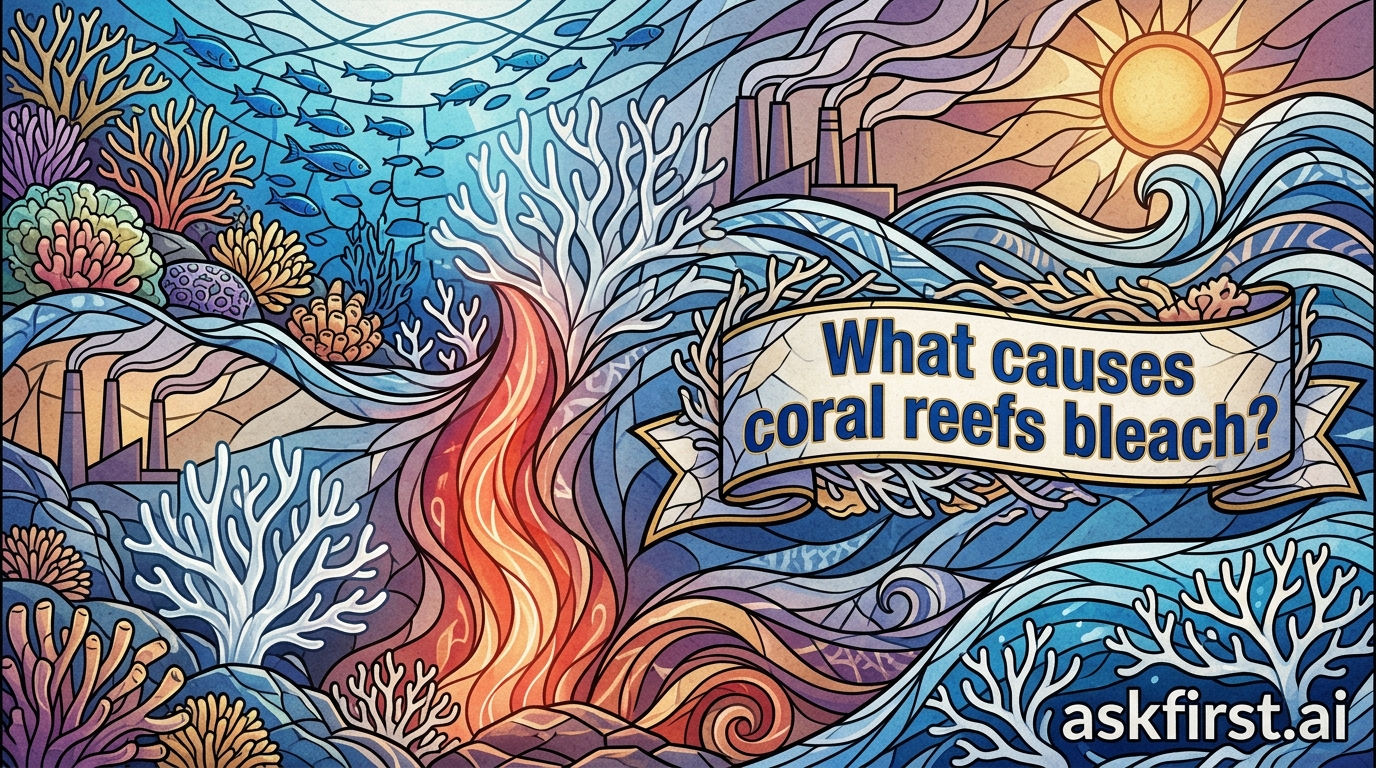
Coral bleaching is a stress-induced phenomenon wherein corals expel the symbiotic algae, known as zooxanthellae, living within their tissues. These algae provide corals with up to 90% of their energy through photosynthesis and are responsible for the vibrant colors associated with reef ecosystems. When the symbiotic relationship breaks down, the coral loses its primary food source and its pigment, leaving behind a stark, white calcium carbonate skeleton.
The Primary Driver: Thermal Stress
The most significant cause of coral bleaching is rising ocean temperatures linked to anthropogenic climate change. Corals thrive within a narrow thermal window; even a prolonged increase of just 1°C to 2°C above the average summer maximum can trigger a bleaching event.
- Physiological Disruption: High temperatures cause the photosynthetic machinery of the zooxanthellae to become damaged. This leads to the production of reactive oxygen species (ROS), which are toxic to the coral host.
- Expulsion: To protect itself from oxidative damage, the coral host ejects the algae. If the thermal stress subsides quickly, the coral may re-acquire the algae and recover. If the heat stress persists, the coral will starve and eventually die.
Secondary Environmental Stressors
While thermal stress is the primary catalyst, several secondary factors exacerbate the severity of bleaching:
- Solar Irradiance: High levels of ultraviolet (UV) radiation often coincide with heatwaves, intensifying the oxidative stress on coral tissues.
- Ocean Acidification: As oceans absorb anthropogenic CO2, the pH levels drop. This reduces the availability of carbonate ions, making it difficult for corals to rebuild their skeletal structures after a bleaching event.
- Pollution and Eutrophication: Nutrient runoff—specifically nitrogen and phosphorus from agricultural fertilizers—can cause algal blooms that block sunlight and promote pathogenic bacterial growth on corals.
- Low Tides: Extremely low tides can expose shallow-water corals to direct sunlight and air, increasing thermal stress and desiccation.
Historical Context and Statistics
Coral bleaching was a rare occurrence before the 1980s. Since then, the frequency and intensity of mass bleaching events have surged. The 2014–2017 global bleaching event was the longest and most widespread on record, affecting over 70% of the world’s coral reefs. Scientists estimate that if global temperatures rise by 2°C, over 99% of coral reefs are projected to face severe, frequent bleaching.
Pros, Cons, and Future Trends
- Pros: There are no "benefits" to bleaching; it is a biological distress signal. However, some species (specifically massive Porites) show higher thermal tolerance, providing hope for evolutionary adaptation.
- Cons: The loss of reefs leads to the collapse of marine biodiversity, the loss of coastal protection against storm surges, and the devastation of local economies reliant on tourism and fisheries.
Future Trends: Current research is focusing on "assisted evolution," which involves breeding heat-tolerant coral strains and transplanting them into degraded reefs. While promising, researchers emphasize that these interventions are temporary stop-gaps; the only viable long-term solution is the rapid reduction of global carbon emissions to stabilize ocean temperatures.