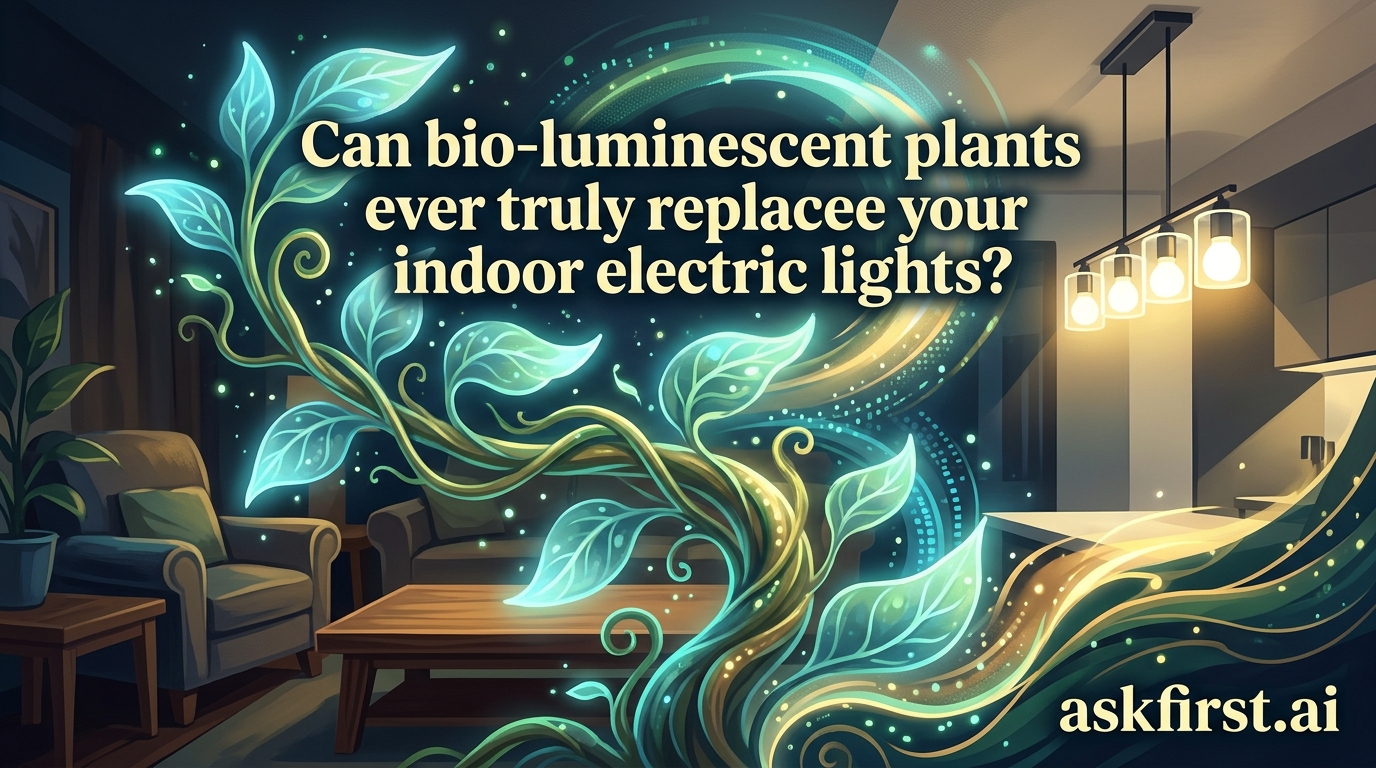
The Living Glow: Can Bioluminescent Plants Replace Electric Lighting?
The dream of illuminating our homes with the soft, ethereal glow of living plants has transitioned from science fiction to a burgeoning field of biotechnological research. As we seek sustainable alternatives to traditional electricity, the concept of plant-based lighting invites both fascination and skepticism.
The Biological Mechanism of Light
Bioluminescence in nature is primarily mediated by the luciferase-luciferin reaction. Organisms like fireflies, certain fungi, and marine dinoflagellates produce light by oxidizing the pigment luciferin, catalyzed by the enzyme luciferase. Scientists are currently using CRISPR-Cas9 gene editing and metabolic engineering to integrate these pathways into common indoor plants, such as tobacco (Nicotiana) or Arabidopsis thaliana, effectively turning them into biological light sources.
The Technical Hurdles to Brightness
While the concept is revolutionary, current technological limitations remain significant. There are three primary barriers to replacing modern LED lighting:
- Photon Flux Density: Natural bioluminescence is typically quite dim. To read a book, the human eye requires a significantly higher photon flux than current genetically modified plants can emit. Current research yields a steady, ambient glow comparable to moonlight rather than a functional task light.
- Energy Conservation: Plants have evolved to prioritize growth, reproduction, and defense. Redirecting significant metabolic energy into light production can result in stunted growth, leaf discoloration, or shortened lifespan for the plant, making them high-maintenance "appliances."
- Spectral Range: Most plant bioluminescence currently exists within the green spectrum, which is less efficient for human vision compared to the broad-spectrum white light emitted by modern LED technologies.
The Future of Bio-Illumination
Despite these challenges, the field is evolving. Research from companies like Light Bio has successfully demonstrated glowing petunias that utilize fungal bioluminescence pathways, showing marked improvements in longevity and intensity. Rather than acting as a direct replacement for overhead ceiling lights, these plants are evolving into sophisticated ambient lighting solutions. They represent a fusion of biology and decor, designed to provide a soft, soothing circadian-friendly atmosphere rather than high-intensity illumination.
Sustainability and Potential
Could these plants replace electricity entirely? In the near term, the answer is no. However, their potential impact lies in reducing the need for low-level night lighting and path markers. By reducing dependence on grid power for emergency or night-time ambient light, bioluminescent plants offer a carbon-neutral alternative that actively improves indoor air quality through carbon sequestration and oxygen production. While the "Living Lamp" remains an auxiliary technology today, it serves as a powerful testament to the potential of synthetic biology to redesign our relationship with our domestic environment. As genetic tools become more precise, we may eventually see plants that emit sufficient light to illuminate pathways, effectively blending nature with modern utility.